


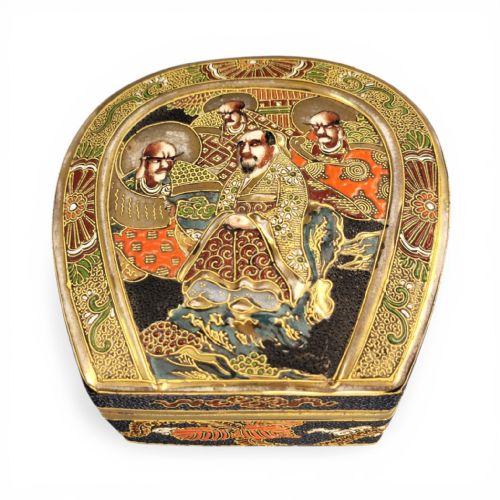


Antique Ceramic Trinket Dish
An antique ceramic trinket dish is a small vessel for holding dressing table pins and rings, carrying the intimate craftsmanship of the nineteenth and early twentieth centuries.
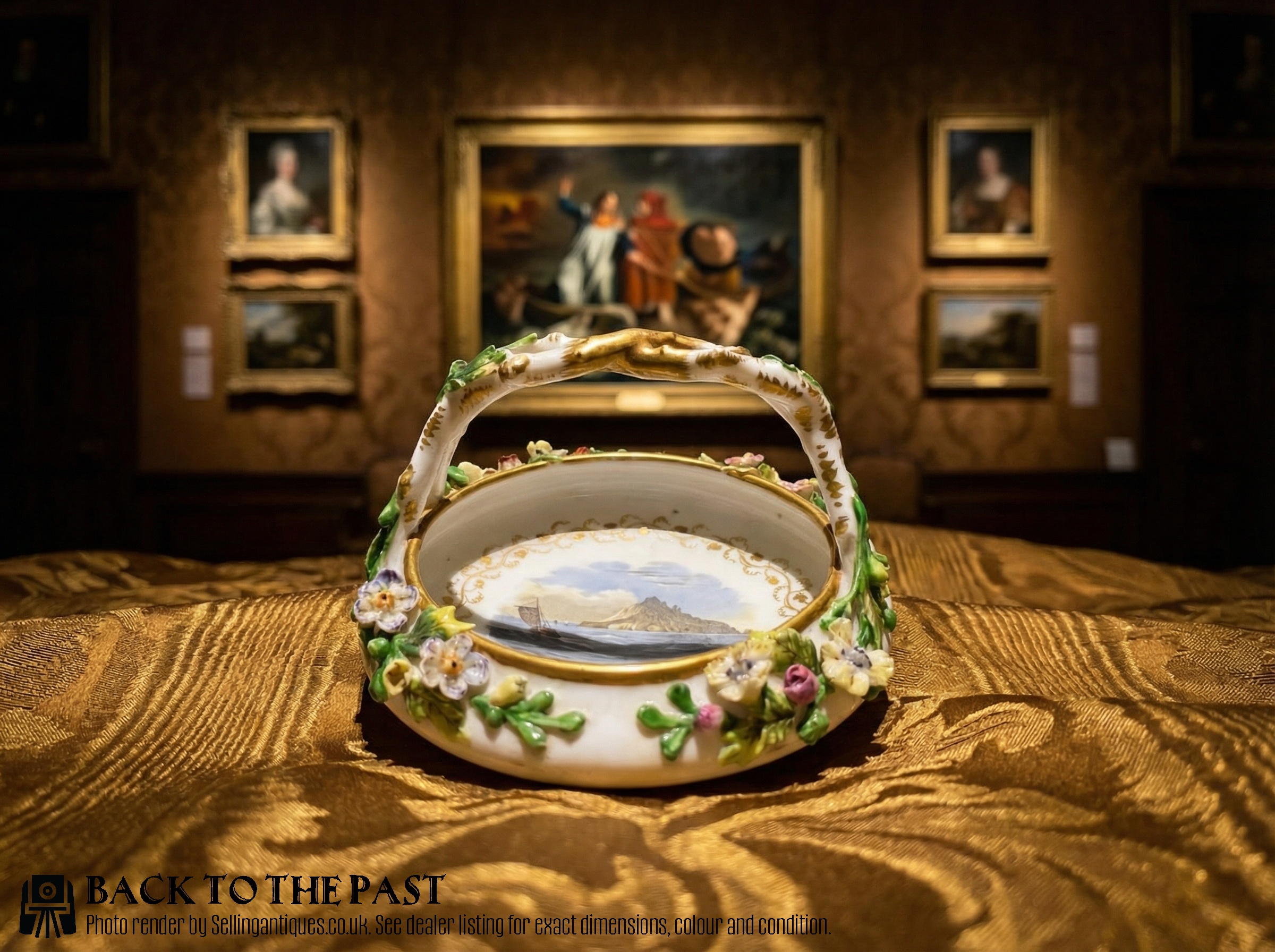
Antique Ceramic Trinket Dish
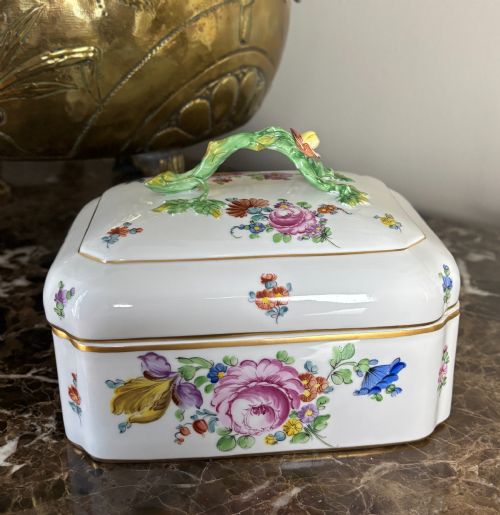
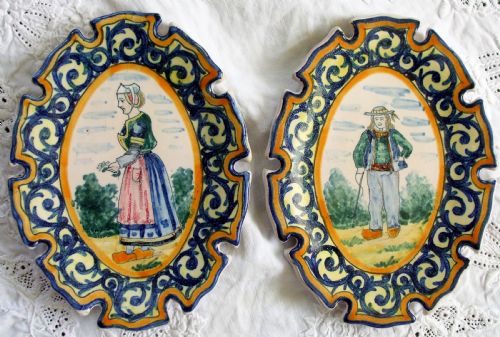
When searching for an antique ceramic trinket dish, buyers encounter a diverse array of small receptacles including porcelain bowls, lidded boxes, shell-shaped plates, and pin trays originating from English, French, German, and Japanese workshops.
The selections span the Victorian, Edwardian, and Art Deco eras, alongside nineteenth-century porcelain and earthenware pieces designed to sit upon dressing tables and sideboards.
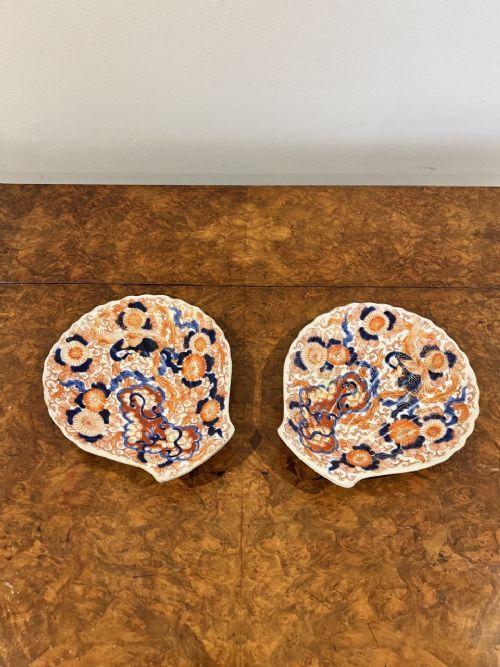
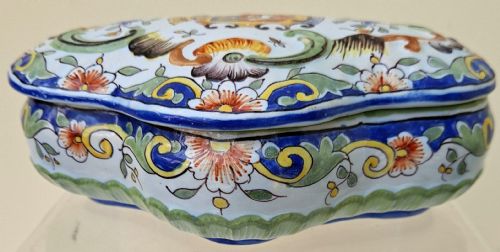
The most common forms on this page include decorative dishes, small lidded powder boxes, and Japanese Imari or Satsuma bowls that served both practical and decorative domestic purposes.
How They Were Made
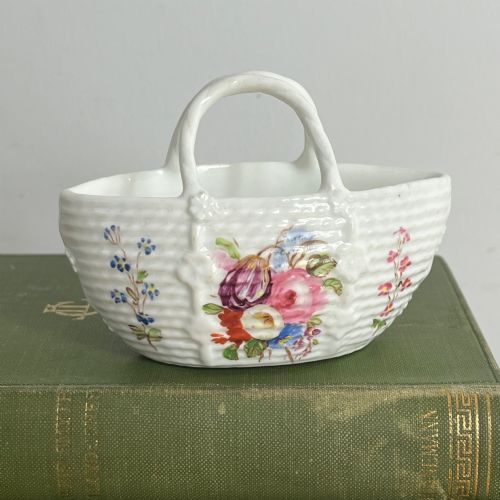
Makers utilised fine porcelain, earthenware, and faience, shaping the clay into shell motifs, baskets, and geometric lidded boxes before applying hand-painted floral sprays, blue and white transfers, or intricate figural scenes.
Many items incorporate detailed gilding, gold leaf, and enamel work over the glaze, with specialised techniques such as lustre glazes and majolica colouring defining specific periods like the Art Deco and Victorian eras.
Antique Ceramic Trinket Dish Retail Price Guide 2026
Typical asking prices for ceramic trinket dish among the pieces listed under this phrase on Sellingantiques today, from the lower quarter to the upper quarter. They describe what is for sale here now, not the wider market.
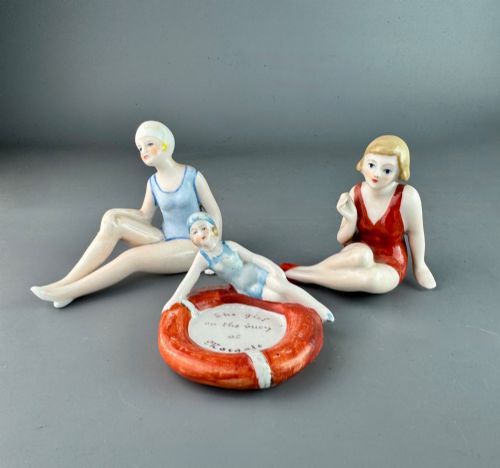
Flapper girls and porcelain birds keep watch over tiny dressing table treasures.
What Varies in Quality
The distinction between standard domestic wares and top-tier pieces rests upon the precision of the hand-painting, the crispness of the porcelain moulding, and the complexity of the gilding.
Artisanal execution dictates the value, separating mass-produced transfer-printed items from individually signed works featuring hand-painted fruit, intricate gold detailing, or specialist lustre glazes.
Flight Barr And Barr·George Jones·HR Quimper·Paul Muller Selb·Royal Worcester·Toshozan·Kuznetsov·Meissen·Rockingham·Duesbury And Kean·Helena Wolfsohn·Moorcroft·Royal Dux
The Antique Ceramic Trinket Dish Glossary
- Imari
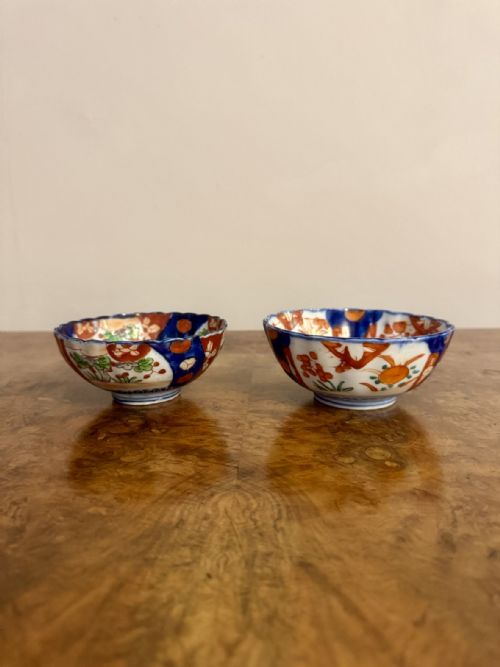
- Japanese export porcelain decorated in underglaze blue, iron red, and gilt. The style originated in the Edo period and strongly influenced European ceramic design.
- Majolica
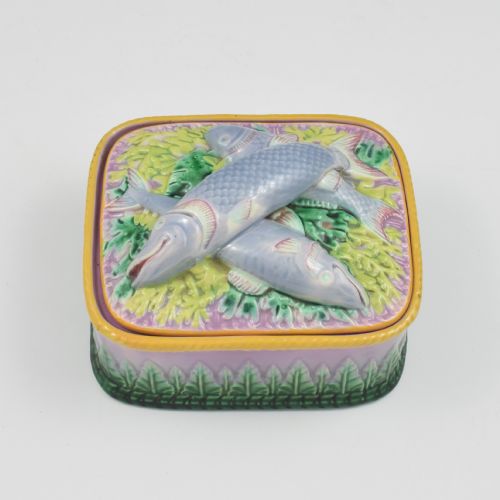
- A type of earthenware glazed with lead and tin oxides, celebrated for vibrant coloured relief decoration. Victorian examples often utilised rich pink, lilac, and green tones.
- Lustre
- A ceramic glaze containing metallic elements that produce an iridescent sheen. Wedgwood produced notable lustre wares featuring butterflies and abstract motifs during the early twentieth century.
- Vide-poche
- A small tray or dish designed for emptying pockets at the end of the day. French makers frequently shaped these into shells or maiden figures.
Antique Ceramic Trinket Dish: Frequently Asked Questions
What was a ceramic trinket dish used for?
These small receptacles held personal items on dressing tables, including pins, rings, hair accessories, and small brooches. They kept everyday dressing accessories organised and close at hand.
Over time, many evolved into purely decorative display pieces, prized on sideboards and mantelpieces for their delicate painted scenes and gilded edges.
How do I identify Victorian pieces?
Victorian examples often feature robust majolica glazes, floral transfers, or heavy gilding typical of nineteenth-century domestic tastes. Look for structural forms like baskets, shell dishes, and lidded sardine or powder boxes.
Maker marks stamped or painted on the underside, alongside registration diamonds, help confirm the precise decade of production.
Are Japanese Imari dishes antique?
Many Japanese Imari and Satsuma bowls and dishes found in Western collections date from the Meiji period around the late nineteenth and early twentieth centuries. They reflect a strong historical trade exchange and appreciation for intricate hand-painted ceramics.
Their characteristic iron red, underglaze blue, and gilt palette makes them readily distinguishable from European porcelain.
How should I clean my antique dish?
Dust ceramic and porcelain dishes gently with a soft, dry brush to prevent accumulating dirt in crevices and painted recesses. Avoid using abrasive cloths or chemical cleaners that might damage delicate gilt edges or enamel work.
Hand washing in lukewarm water with mild soap should be done only when strictly necessary, keeping moisture away from unglazed bases.