




German Porcelain Dish
A german porcelain dish brings centuries of European kiln mastery straight to the table, offering hand-painted scenes and gilded borders that anchor any room.
German Porcelain Dish
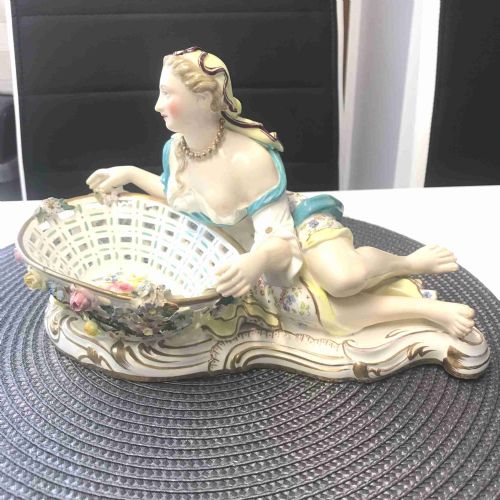
A german porcelain dish encompasses a wide array of serving vessels, decorative plates, and sweetmeat baskets originating from historic kilns in Meissen, Dresden, Berlin, and Thuringia.
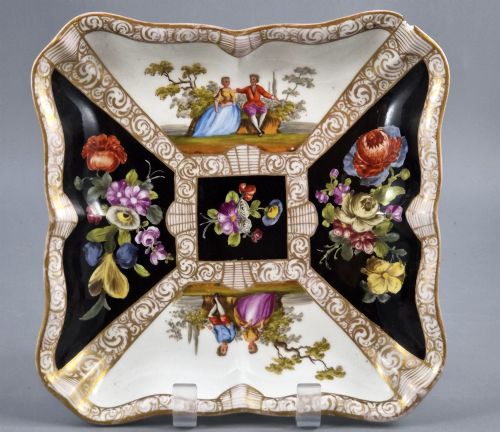
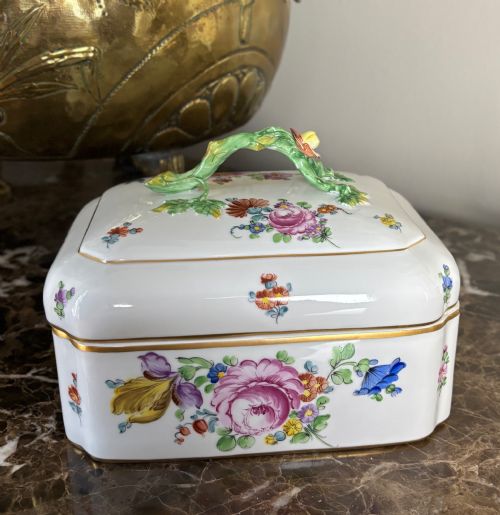
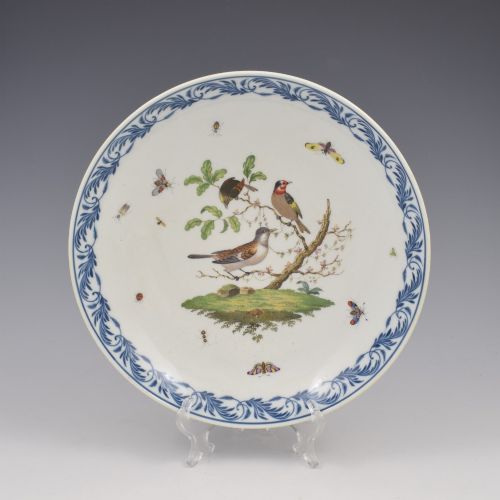
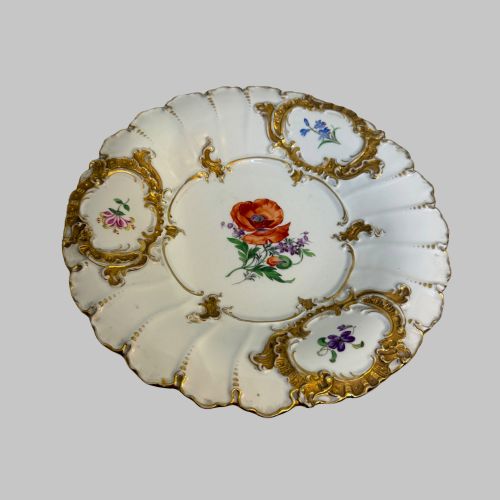
Buyers searching for this phrase are most likely to encounter nineteenth-century Meissen and Dresden pieces featuring hand-painted floral bouquets, exotic birds, and Watteau scenes.
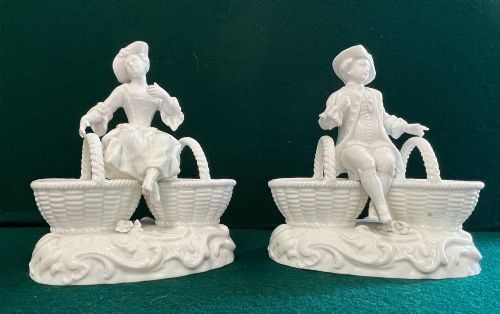
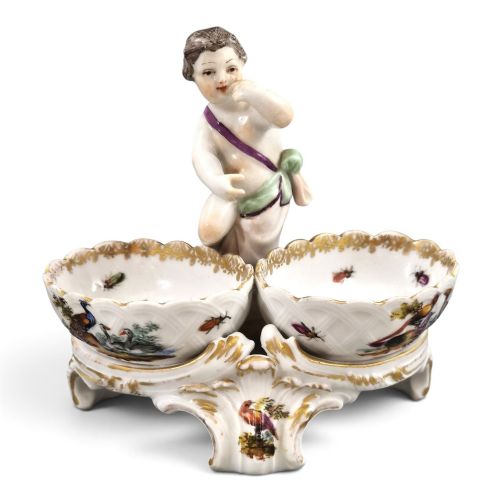
Forms range from simple reticulated plates and square dishes to elaborate centrepieces adorned with cherubs and applied roses.
How They Were Made
Hard-paste porcelain forms the physical body of these items, fired at high temperatures to create a dense, durable white ceramic base.
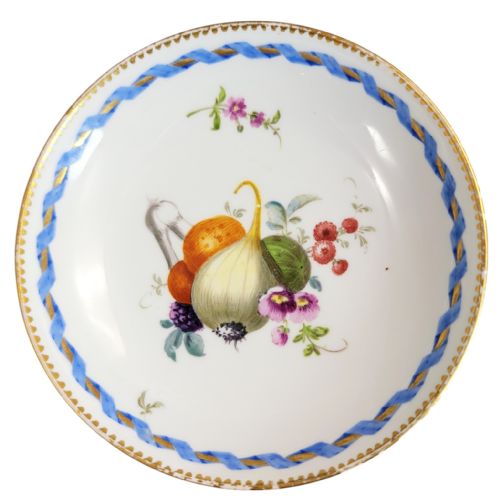
Makers applied enamel paints by hand, often incorporating gold leaf, gilt, and intricate gilding to highlight the moulded contours and painted motifs.
Listings feature hard-paste porcelain and glazed ceramic items decorated with enamel, gold leaf, and gilt across the eighteenth, nineteenth, and early twentieth centuries.
What Varies in Quality
The precision and detail of the hand-painted brushwork separate ordinary output from exceptional works, particularly in figurative scenes and ornithological studies.
The crispness of moulded elements such as putti, applied flowers, and pierced reticulation dictates the overall refinement of the piece.
Meissen·KPM Berlin·Dresden·Furstenberg·Paul Muller Selb·Volkstedt·Schierholz·Helena Wolfsohn·Dorotheenthal
The German Porcelain Dish Glossary
- Hard-paste porcelain
- A durable ceramic material composed of kaolin and petuntse fired at high heat. It forms the vitrified white body characteristic of fine European tablewares.
- Reticulation
- An openwork pattern pierced through the rim or body of a plate or basket before firing. It creates a delicate lace-like border.
- Sweetmeat dish
- A small vessel designed for serving confections, nuts, or dried fruits during dessert courses. They often take figural forms.
- Gilding
- The application of gold leaf or powdered gold suspended in a medium to the surface of porcelain. It emphasises rims, handles, and decorative borders.
German Porcelain Dish: Frequently Asked Questions
How do I identify Meissen porcelain?
Look underneath the piece for the underglaze blue crossed swords mark, which indicates production at the historic Saxon manufactory.
Hand-painted details and specific floral or bird motifs also help confirm the origin alongside the mark.
What is a sweetmeat figure?
A sweetmeat figure is a porcelain sculpture depicting a person, often a putto or a foreign figure, holding a bowl or basket.
These served a functional role on dining tables for holding small confections during formal meals.
How should I clean antique porcelain?
Wash porcelain by hand using warm water and a mild detergent, avoiding harsh scrubbers that can damage the enamel.
Take special care with pieces that feature gold leaf or gilt highlights, as abrasive cleaning will wear away the metallic finish.
What does reticulated mean on a plate?
Reticulation refers to an openwork lattice design cut into the rim or body of the dish prior to the ceramic firing process.
This technique required high skill to prevent warping during the intense heat of the kiln.