




Decorative Porcelain Serving Tray
These decorative porcelain serving tray pieces bring painted botanicals, Imari patterns and gilded mounts to the table with enduring grace.
Decorative Porcelain Serving Tray
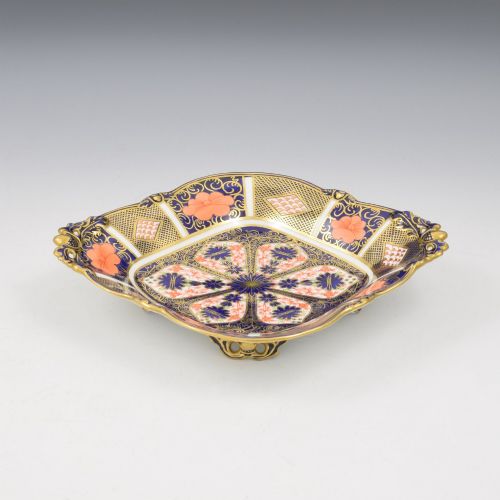
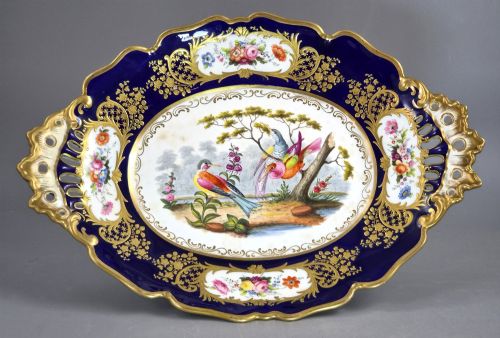
When you search for decorative porcelain serving tray, you are looking at serving dishes, cabinet dishes and platters created to display fruit or hold sweetmeats. The versions you meet on this page span the Georgian era through to the 1930s, taking shapes from fan-shaped plates to twin-handled serving dishes.
These items originate from English factories like Royal Worcester and Royal Crown Derby alongside continental and Japanese makers. They function equally well as table service or as cabinet pieces intended purely for display.
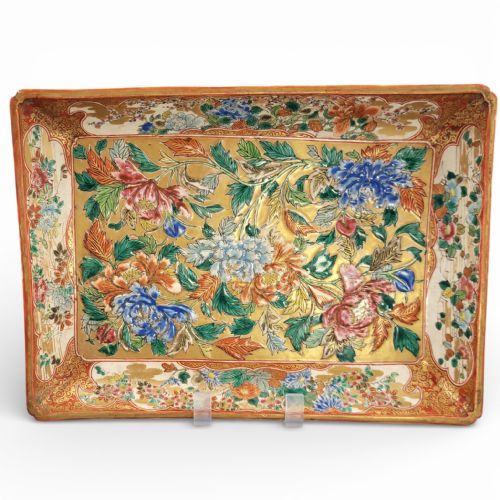
Makers shaped these items into oval, shaped and pierced forms suited to elite dining rooms. The selection includes traditional English designs alongside pieces influenced by Meiji Japanese aesthetics.
What varies in quality
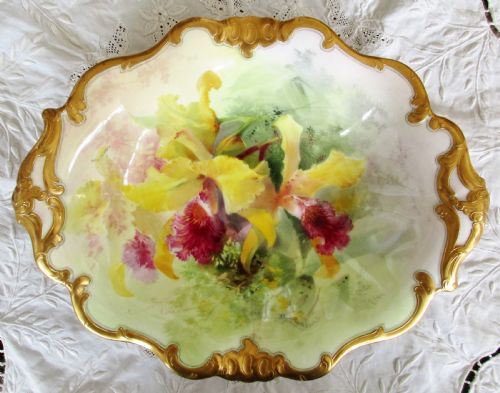
Quality rests in the precision of the hand-painted details, such as the botanical accuracy in orchid studies or the crispness of the transfer and brushwork in Imari patterns. The finesse of the gilding and the weight of the porcelain body also distinguish finer examples from standard production wares.
The reputation of the manufactory and the presence of named artists elevate a piece significantly. Articulation in moulded handles, pierced borders and shaped rims separates standard tableware from cabinet pieces of high ambition.
Decorative Porcelain Serving Tray Retail Price Guide 2026
Typical asking prices for decorative porcelain serving tray among the pieces listed under this phrase on Sellingantiques today, from the lower quarter to the upper quarter. They describe what is for sale here now, not the wider market.
Listings feature porcelain and bone china enhanced with gold leaf, enamel and gilt bronze across Georgian, Victorian and Edwardian periods.
Royal Crown Derby·Royal Doulton·Royal Worcester·Chamberlain s Worcester·Meissen
The Decorative Porcelain Serving Tray Glossary
- Bone china
- A type of soft-paste porcelain incorporating bone ash for strength and translucency. It permits thinner walls and finer forms.
- Imari
- A decorative style featuring underglaze cobalt blue and iron red with gold highlights. Originating in Japan, it was widely adopted by European potteries.
- Gilding
- The application of gold leaf or powdered gold to the surface of porcelain. It highlights rims, handles and decorative borders.
- Cabinet dish
- A decorative plate or tray made primarily for display in a cabinet rather than for serving food at the table.
- Pierced
- A technique where clay is cut through before firing to create openwork patterns along the rim or body of a dish.
Decorative Porcelain Serving Tray: Frequently Asked Questions
How were these trays used?
These pieces served desserts, sweetmeats or fruit during formal meals in the nineteenth and early twentieth centuries. Many were also made specifically as cabinet dishes for visual display.
Larger platters handled main courses or fish courses, while smaller fan-shaped plates held specialised treats for guests.
Are these items safe for food?
While these trays were originally designed for dining, many antique pieces now serve decorative roles. Historic enamels and early gilding can wear down with modern chemical detergents.
Gentle hand washing preserves the painted surfaces and gold leaf if you choose to use them for serving.
How do I identify the period?
Makers marks, factory stamps and stylistic clues point directly to the date of manufacture. Georgian and Victorian pieces often display hand-painted reserves and heavy gilding, while 1930s items favour naturalistic fruit studies.
Comparing the paste and glaze characteristics alongside known decorator signatures narrows down the decade.
What is English Imari?
English Imari refers to domestic porcelain decorated in imitation of Japanese export wares. Factories combined deep cobalt blue, rust red and heavy gilding on traditional shapes.
This aesthetic remained popular across the Victorian and Edwardian periods for both cabinet dishes and serving items.