
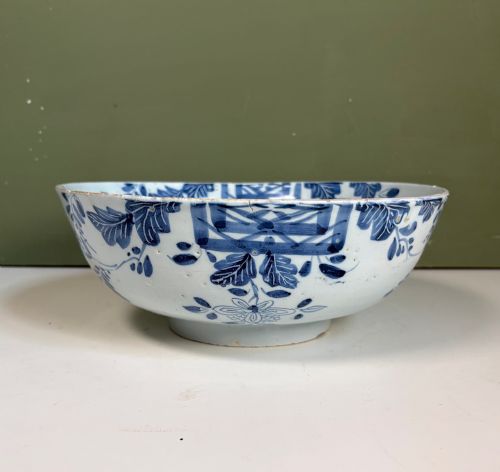
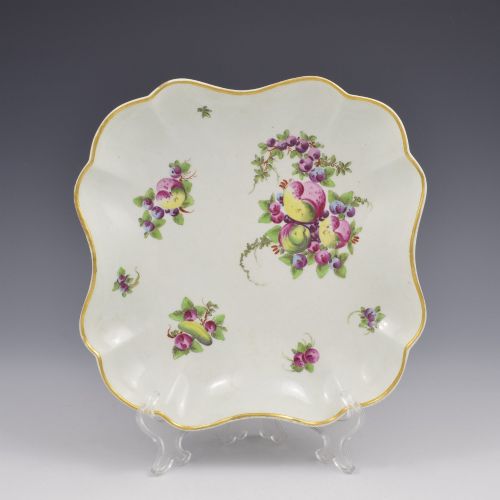
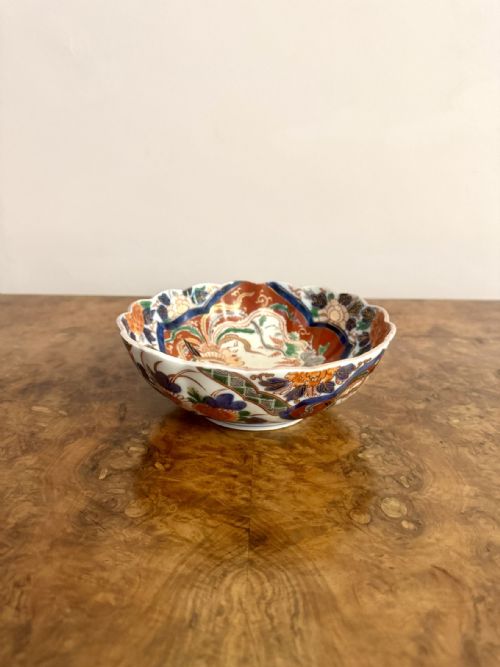
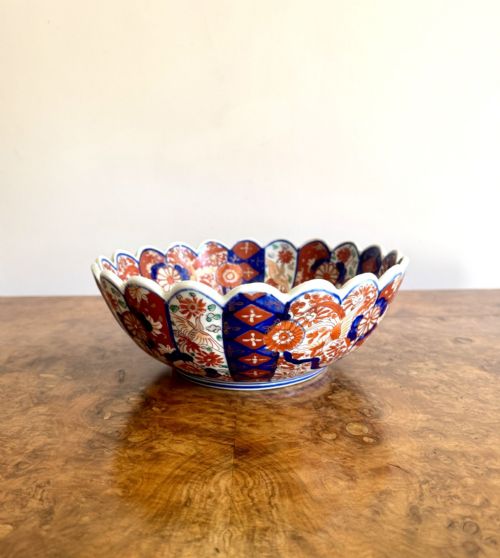
Hand Painted Fruit Bowl
A hand painted fruit bowl brings vibrant colour and meticulous detail to a table, spanning centuries of global ceramic artistry.
Hand Painted Fruit Bowl
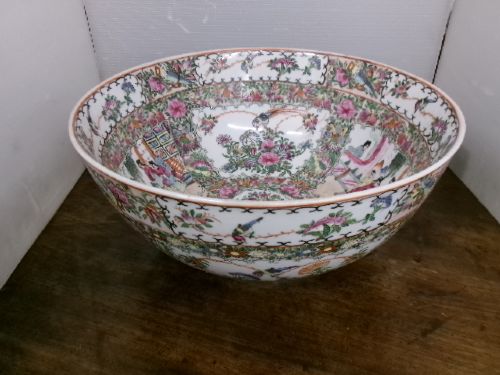
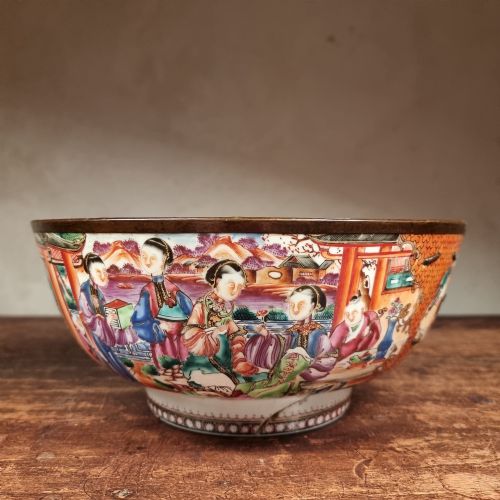
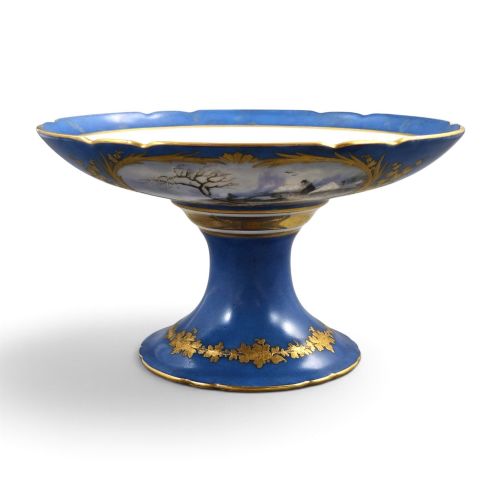
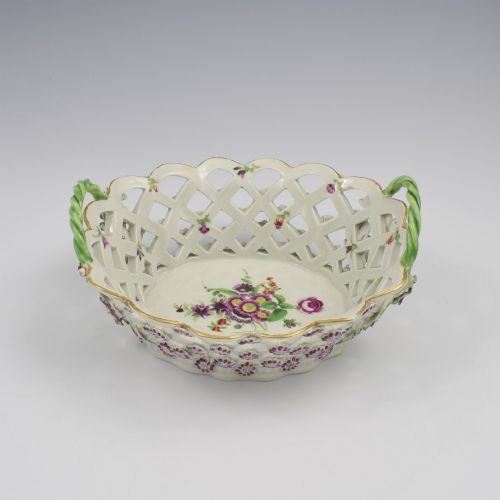
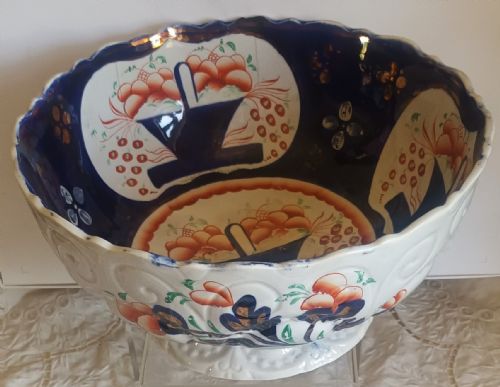
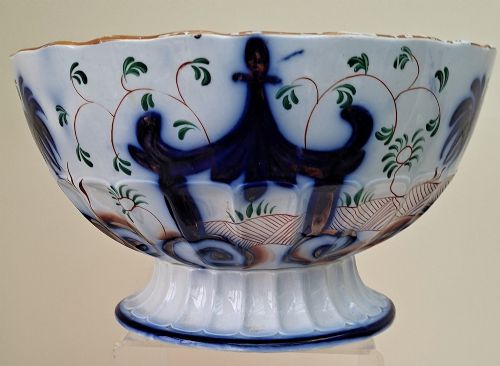
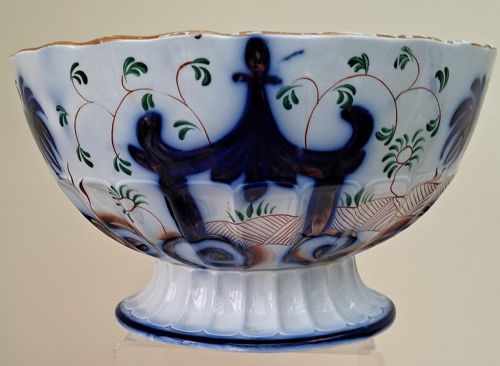
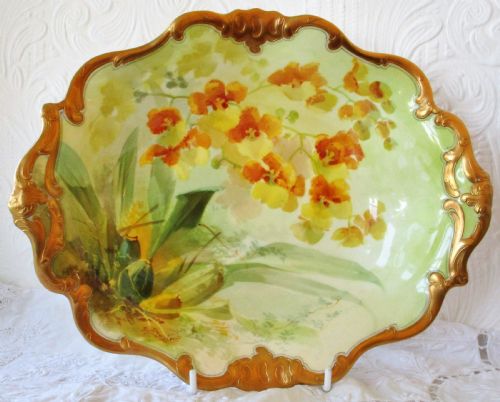
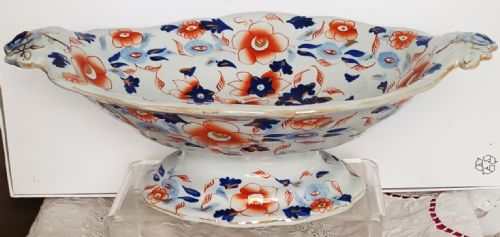
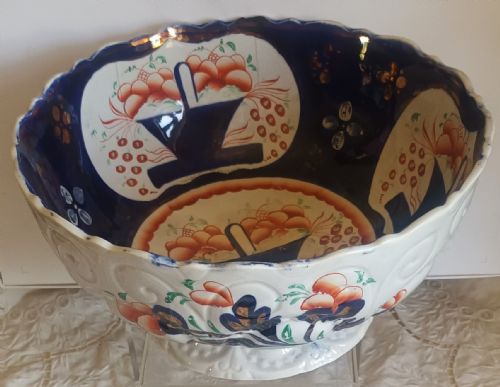
When searching for a hand painted fruit bowl, buyers encounter a diverse array of vessels designed for display and service across multiple eras. The selection ranges from robust earthenware and ironstone to delicate bone china and porcelain, encompassing forms such as deep centrepieces, footed comports, and large punch bowls.
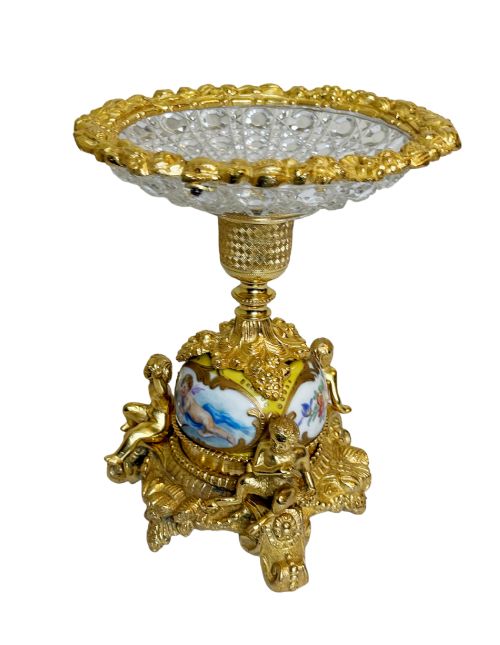
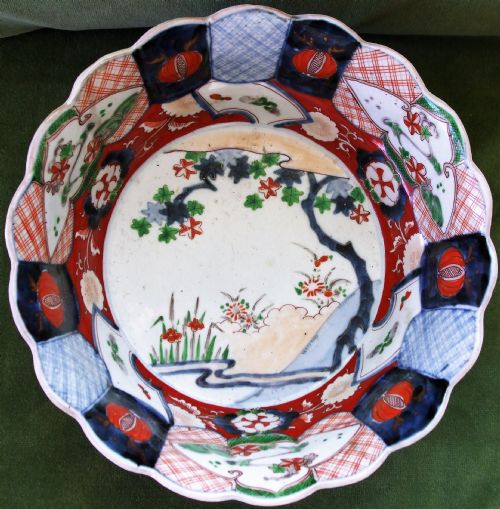
Japanese Imari pieces from the Meiji period and Chinese export wares dominate the earlier selections, alongside English factories like Worcester and Royal Doulton. Continental porcelain from Sèvres and German manufacturers also appear frequently, often featuring elaborate gilt bronze mounts or scenic hand-painted motifs.
How they were made
Potters shaped these vessels using traditional methods of throwing and moulding, utilising hard-paste porcelain, earthenware, and ironstone bodies. Artisans applied pigments by hand before or after glazing, frequently incorporating rich cobalt blue, polychrome enamels, and gold leaf highlights.
Many items underwent multiple firings in kiln ovens to fix intricate overglaze decorations and gilding. More elaborate examples combined ceramic bodies with cast gilt bronze frames and cut crystal elements, requiring specialised metalworking and glass-cutting skills.
Cherubs frequently peer over the edges of nineteenth-century centrepieces, seemingly determined to guard the fruit within.
What varies in quality
The precision and delicacy of the brushwork largely determine the standing of an individual piece, distinguishing hurried factory production from master studio output. Skilled artists achieved greater depth, fine shading, and clean lines in floral, landscape, or figurative motifs.
The crispness of the porcelain moulding, the evenness of the glaze, and the richness of the gold leaf application mark the distinction between standard domestic wares and high-status cabinet pieces. Associated original stands, documented artist signatures, and intact gilt mounts also elevate the stature of a vessel.
Haviland·Royal Doulton·Royal Worcester·Sèvres·Chamberlain Worcester
The Hand Painted Fruit Bowl Glossary
- Comport
- A raised dish or bowl on a foot, traditionally used for serving fruit or dessert at the table. These pieces often feature decorative handles or scalloped edges.
- Imari
- A style of Japanese porcelain decorated in underglaze blue and overglaze red, gold, and other colours. The technique originated in the Edo period and gained massive popularity in Europe.
- Famille Rose
- A major palette of Chinese porcelain enamel decoration introduced in the 18th century, distinguished by its predominant opaque pink or purple colour.
- Ironstone
- A type of vitreous earthenware patented in the 19th century in England, prized for its durability and resistance to chipping while imitating true porcelain.
Hand Painted Fruit Bowl: Frequently Asked Questions
How were these bowls used historically?
These vessels served primarily as centrepieces on dining tables to hold fresh fruit or sweetmeats during formal meals. They also functioned as decorative display objects on sideboards and cabinets in wealthy households.
Over time, their roles shifted from practical dining accessories to prized cabinet pieces collected for their artistic merit and historical significance.
Can I use an antique bowl for food?
Using antique painted ceramics for daily dining requires caution due to potential glaze wear and the delicate nature of overglaze enamels. Acidic foods can stain or erode historic surfaces that were not manufactured to modern food-safety standards.
Most collectors prefer to display these items or use them strictly for dry decorative purposes to preserve the hand-painted pigments and gilding.
How do I identify the period of a bowl?
Dating relies on examining the ceramic body, glaze characteristics, and any factory marks or artist signatures stamped on the base. Stylistic clues such as floral patterns, border designs, and colour palettes also point towards specific manufacturing eras.
Comparing the potting technique and weight against documented examples from known makers helps narrow down the century of production.