

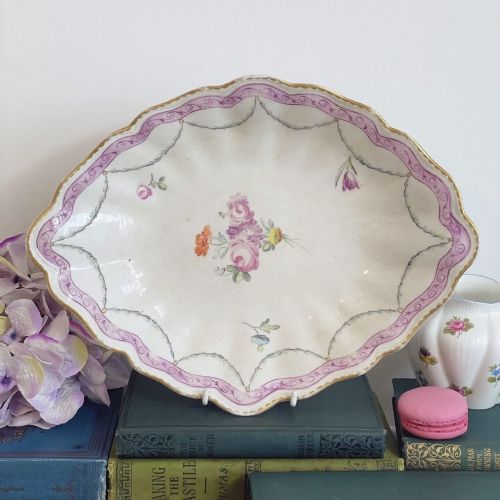
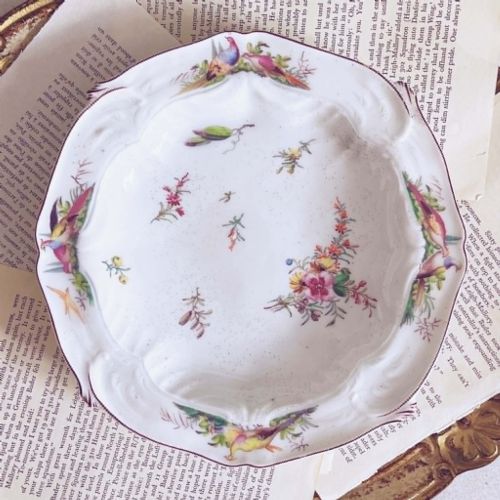
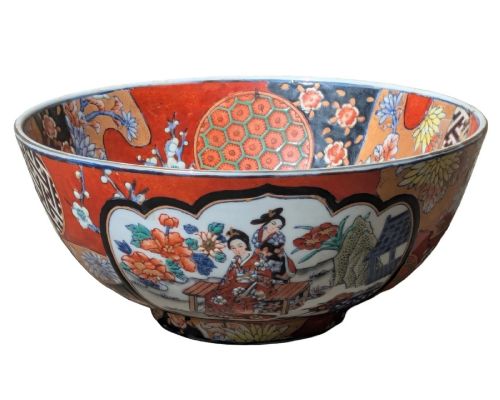
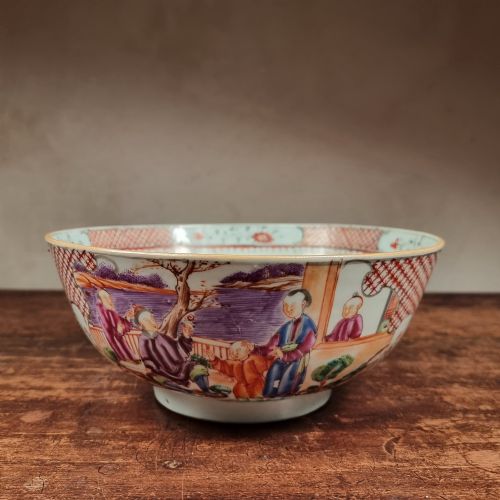
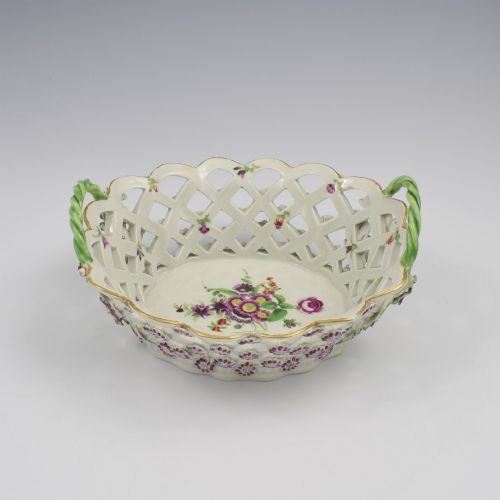
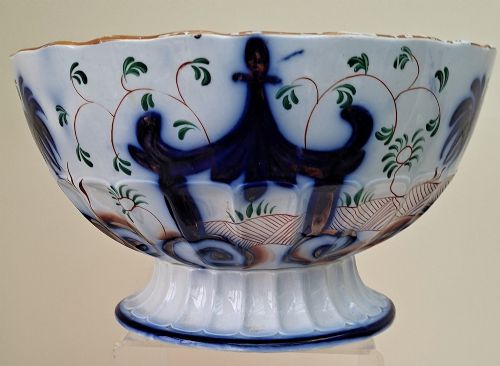
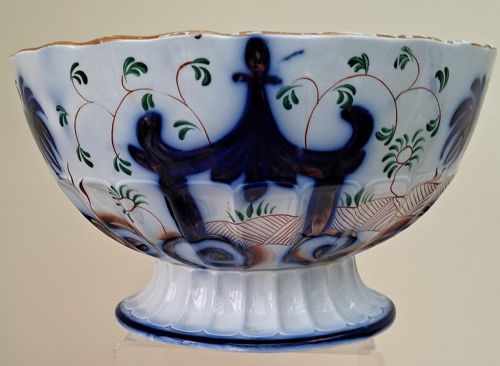
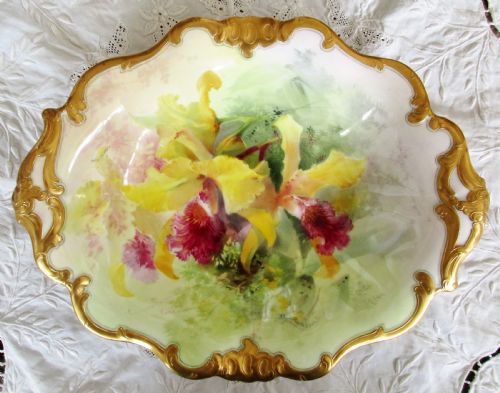

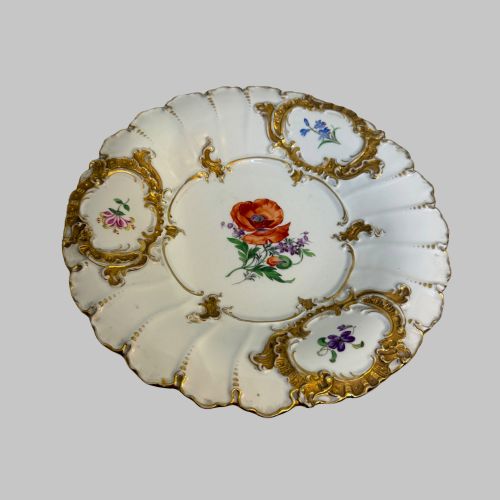

Hand Painted China Bowl
These hand painted china bowl examples bring centuries of painted flora, birds and intricate patterns straight to the table.
Hand Painted China Bowl
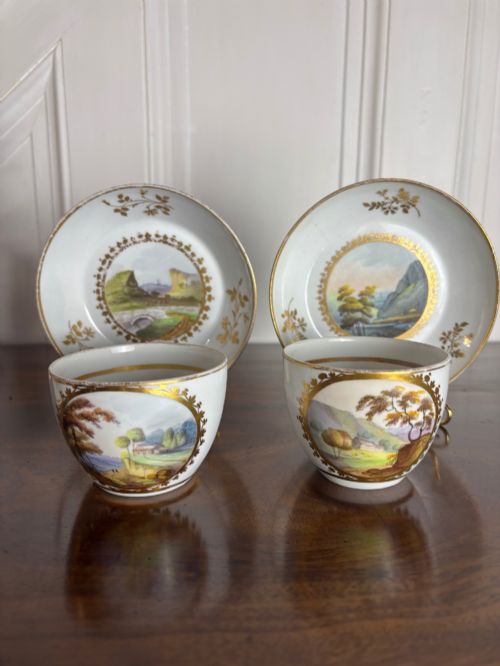
When searching for a hand painted china bowl, buyers encounter diverse forms ranging from traditional footed sugar bowls and large punch basins to decorative serving dishes spanning multiple eras. The pieces recorded here cover centuries of production, bridging eighteenth-century English porcelain tea bowls and nineteenth-century Chinese export wares.
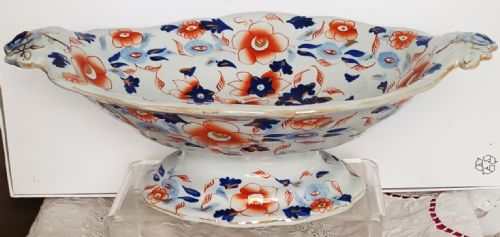
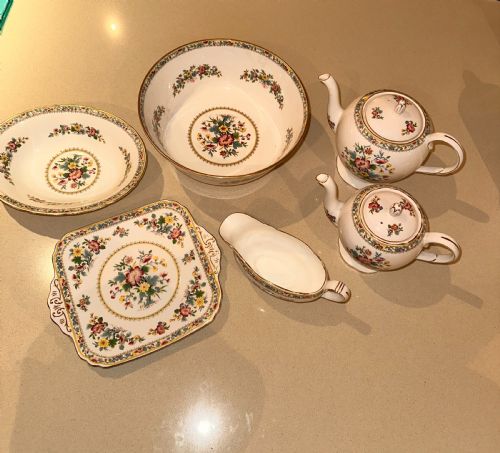
Domestic tables and cabinet displays both accommodated these painted vessels, which served practical dining functions alongside ornamental purposes. The selection frequently includes Japanese Imari designs, English bone china comports and Victorian pottery footed bowls showing rich polychrome decoration.
Origin points vary widely across the inventory, uniting European factories such as Worcester, Derby and Meissen with Asian export traditions from Arita and Canton. This mix offers collectors a broad spectrum of historical styles, from delicate tea ware to substantial decorative bowls.
Materials and Techniques
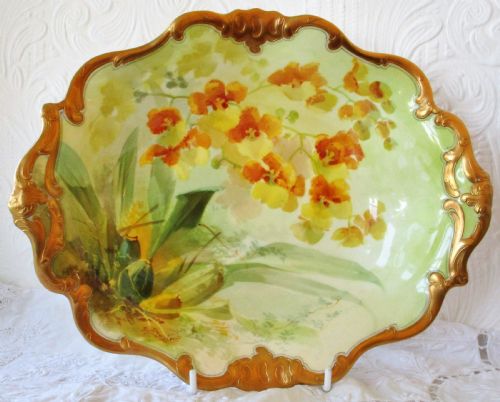
Potters shaped these objects using porcelain, bone china, ironstone and soft-paste porcelain, applying glaze to create smooth, vitreous surfaces ready for decoration. Artisans then executed intricate brushwork using polychrome enamel pigments, often incorporating gold leaf or gilding to highlight rims and motifs.
Firing techniques evolved across the periods represented, allowing factories to achieve fine translucency in eighteenth-century tea wares and robust durability in nineteenth-century ironstone comports. Hand-painted brushstrokes remained central to the aesthetic, distinguishing individual pieces through distinct floral, landscape or figural compositions.
Listings feature porcelain, bone china, ironstone and soft-paste porcelain across centuries of production.
Assessing Quality
The sophistication of the brushwork and the precision of the polychrome palette largely determine the standing of an individual piece. Finer examples display meticulous control in hand-painted details such as botanical subjects, birds and human figures, whereas simpler wares rely on more repetitive patterns.
The clarity of the glaze and the preservation of any applied gilding or gold leaf significantly influence the overall integrity of the vessel. Early porcelain bodies with high translucency and crisp moulding sit at the upper end of the historical range.
Derby·Chelsea·Worcester·Royal Doulton·Minton·Spode·Meissen·Mintons·Royal Crown Derby·Clarice Cliff·Coalport·Grainger and Co·Royal Worcester·Ridgway·Mason
The Hand Painted China Bowl Glossary
- Polychrome
- Decorated in multiple colours. This technique allows artisans to render complex pictorial scenes and floral motifs across the surface of the porcelain.
- Bone china
- A type of soft porcelain containing bone ash. It produces a strong, highly translucent body well suited to detailed hand-painted ornamentation.
- Imari
- A style of Japanese porcelain exported to Europe, characterised by underglaze blue and overglaze iron red, green and gold. The aesthetic became widely influential among Western potteries.
- Ironstone
- A heavy, durable type of earthenware patented in the nineteenth century. It provides a sturdy alternative to porcelain for utilitarian serving dishes and comports.
- Soft-paste porcelain
- An artificial porcelain mixture fired at lower temperatures than hard paste. It creates a warm, slightly creamy body frequently found on eighteenth-century English pieces.
Hand Painted China Bowl: Frequently Asked Questions
Can I use these bowls for serving food?
Most antique decorative bowls function safely for dry foods or presentation purposes on the dining table.
Acidic foods and prolonged exposure to liquids should be avoided on eighteenth-century soft-paste or heavily gilded pieces to prevent surface wear.
How do I distinguish eighteenth-century pieces?
Early porcelain pieces often feature unglazed foot rims and distinctive factory marks painted directly under the glaze.
Weight, body translucency and the style of the hand-painted palette provide further clues when dating specific bowls.
What is the difference between porcelain and ironstone?
Porcelain offers a thin, resonant and often translucent body achieved through high-firing kaolin and petuntse.
Ironstone is a much heavier, opaque ceramic designed to withstand robust everyday dining use while maintaining a white glazed surface.