

Edwardian Painted Porcelain
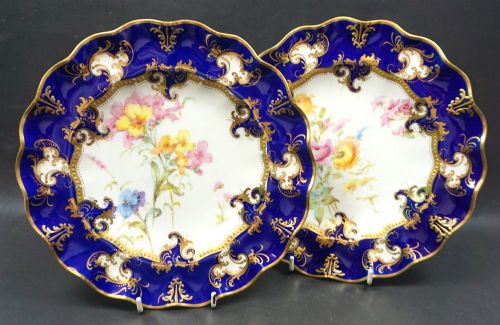
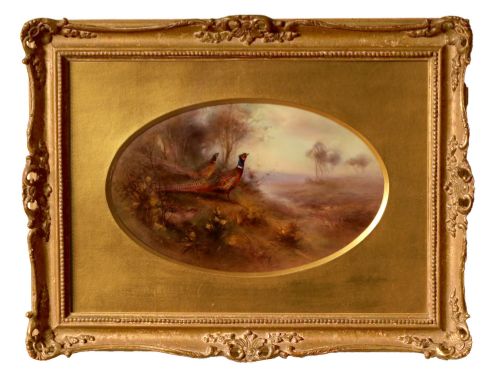
Edwardian painted porcelain brings cabinet plates, vases and plaques decorated with hand-painted botanicals, fruit and birds into your home.
Edwardian Painted Porcelain
When you search for Edwardian painted porcelain, you find decorative ceramics produced primarily around the turn of the twentieth century. The selection on this page centres on cabinet plates, vases, bowls and wall plaques originating from English factories alongside international pieces.
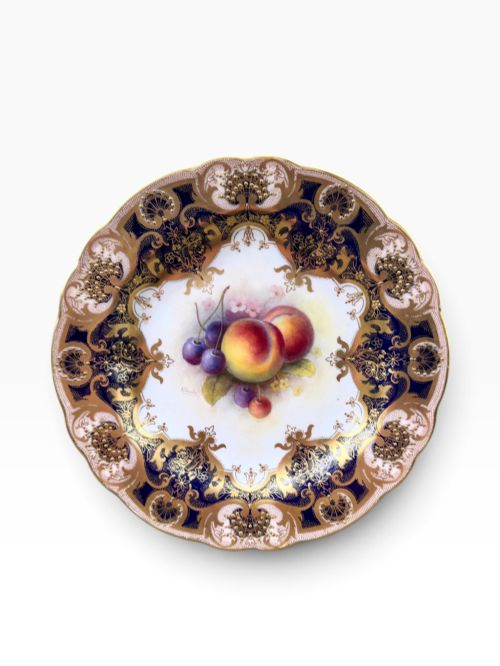
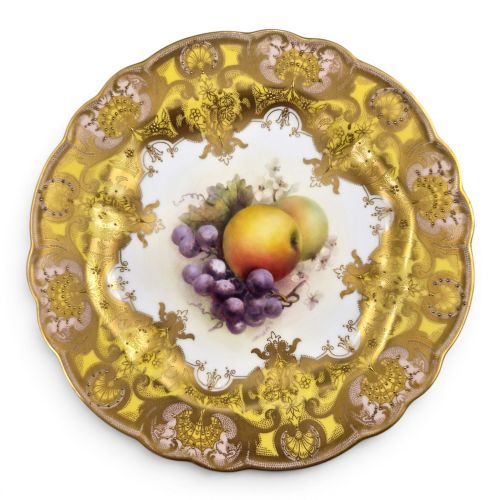
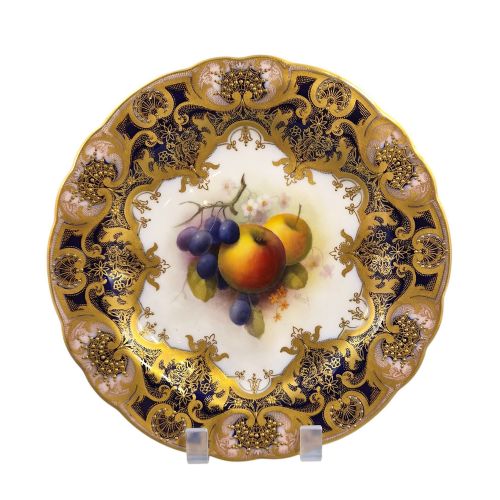
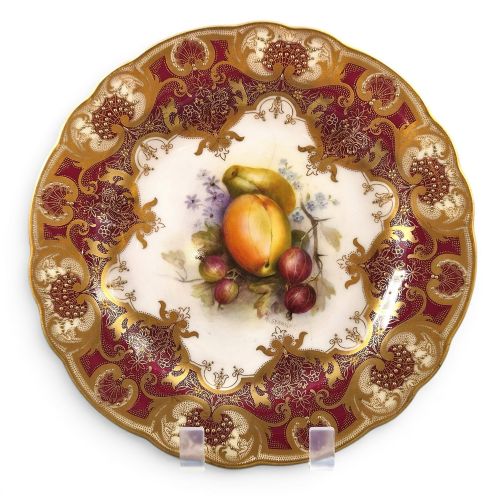
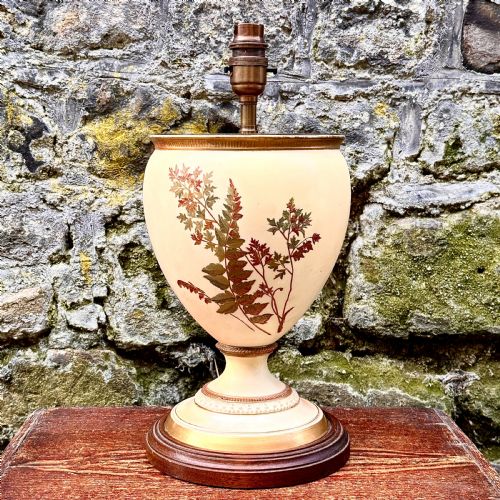
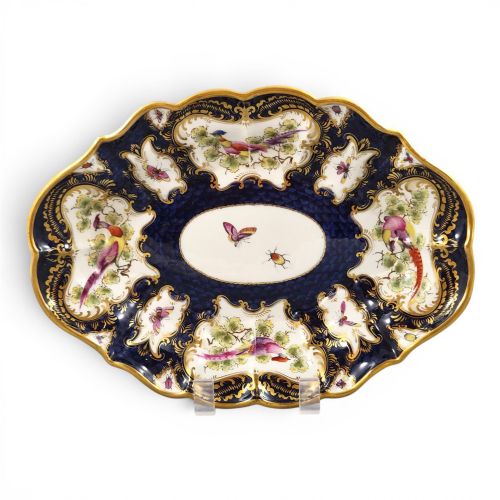
The most common items you will meet are Royal Worcester fruit and floral plates, blush ivory vessels, and Royal Doulton cabinet dishes. These domestic decorative wares reflect a period of high technical skill in ceramic painting.
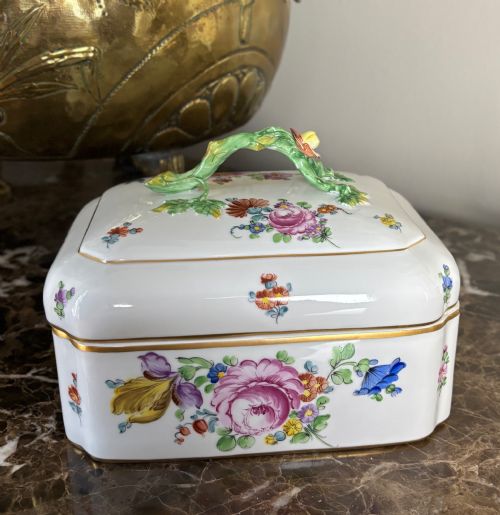
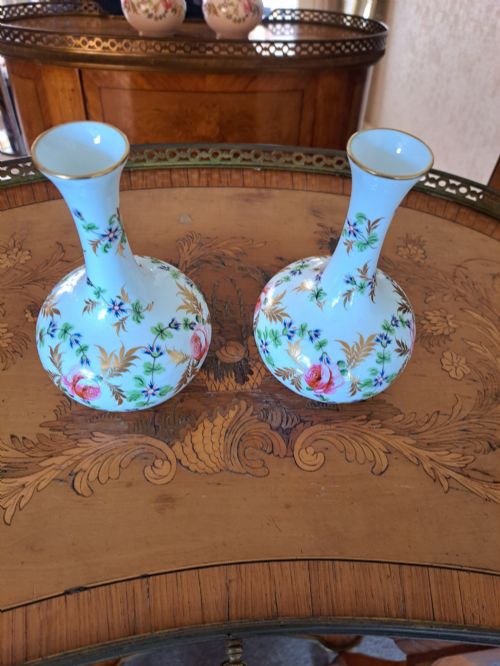
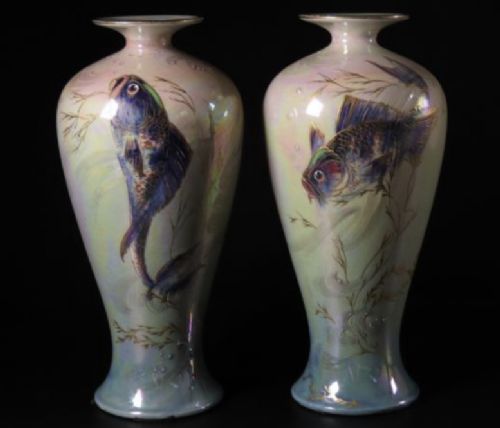
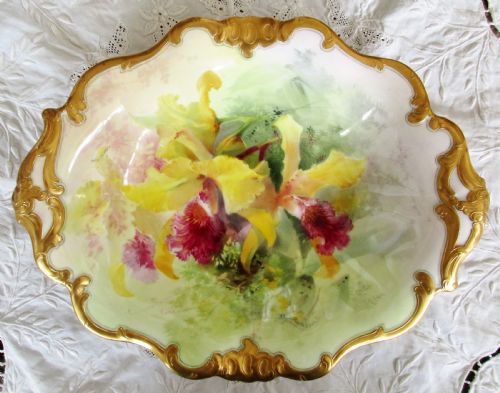
Forms range from small bud vases and pot-pourri jars to large centrepieces and framed plaques. Many pieces preserve traditional floral sprays, while others display naturalistic studies of fish, orchids and garden birds.
Materials and production methods
Makers utilised fine bone china and standard porcelain bodies as the foundation for elaborate hand painting. Potters shaped these materials into complex vessels, shell dishes and scalloped cabinet plates before applying initial glazes.
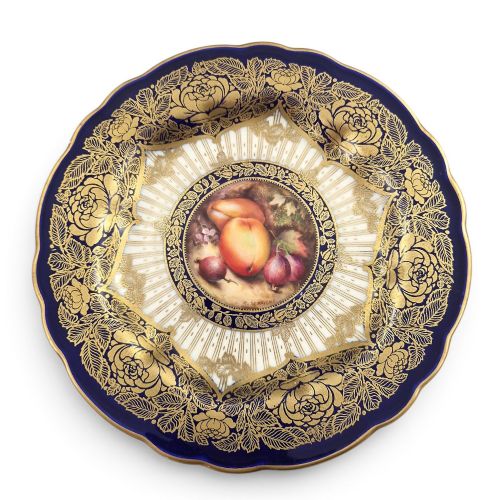
Artists decorated the fired porcelain using enamel colours, often combined with gold leaf, gilding and gilt edges. Many pieces underwent multiple firings to fix the detailed brushwork permanently into the glaze.
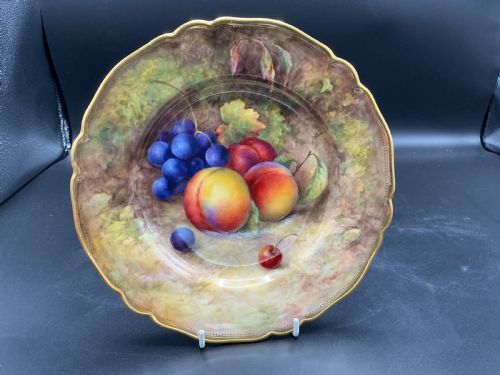
Several cabinet plates preserve hyper-realistic paintings of plums and peaches that look ready to lift off the porcelain.
Assessing quality in painted ceramics
The distinction between standard production and top-tier execution rests upon the skill of the artist. Named painters working for major factories produced detailed, individual studies that elevate a simple cabinet plate into a work of fine art.
The complexity of the form and the richness of the surrounding ornamentation also divide the range. Pieces featuring heavy gilding, raised enamel decoration or blush ivory grounds demand greater technical mastery during the manufacturing process.
Royal Worcester·Royal Doulton·Royal Crown Derby·Coalport·Minton·Hadleys Royal Worcester·Dresden
The Edwardian Painted Porcelain Glossary
- Cabinet plate
- A decorative ceramic plate intended for display in a cabinet or on a wall rather than for dining use. These items typically feature elaborate hand-painted central scenes.
- Blush ivory
- A matte cream-coloured ceramic ground developed by Royal Worcester, often decorated with tinted floral sprays and gilt highlights. This finish became synonymous with late nineteenth and early twentieth-century decorative wares.
- Imari
- A traditional style of Japanese ceramic decoration featuring rich cobalt blue and iron red, supplemented by gilt details. European potteries frequently borrowed these distinct patterns during the period.
- Enamel
- A vitreous composition fused to the surface of porcelain during firing to provide permanent colour. Painters applied these metallic oxides by hand to create fine details on plaques and vases.
- Lustre ware
- Pottery finished with a metallic glaze that produces an iridescent sheen. Makers achieved this optical effect by introducing metallic salts into the kiln atmosphere.
Edwardian Painted Porcelain: Frequently Asked Questions
What is Edwardian painted porcelain?
It encompasses decorative ceramics, including cabinet plates, vases and wall plaques, produced around the early twentieth century. These items feature hand-painted botanical, avian or fruit subjects.
Factories such as Royal Worcester and Royal Doulton dominated production during this period, employing skilled artists to decorate fine porcelain and bone china.
How were cabinet plates used?
Cabinet plates served as pure decorative art rather than functional tableware. Owners displayed them in glass-fronted cabinets, on plate racks or mounted on walls.
This method of display protected the delicate hand-painted surfaces and gilt edges from daily wear.
How do I identify a painted artist piece?
Many fine pieces feature the signature or monogram of the ceramic artist painted directly onto the front or inscribed on the reverse. Factory backstamps also help date the exact year of manufacture.
Records often link specific painters, such as Richard Sebright or Albert Shuck, to signature fruit and floral designs.
How should I care for antique porcelain?
Display pieces away from direct sunlight to preserve the vibrancy of the hand-painted enamel colours. Dust them gently with a soft, dry cloth.
Avoid washing antique gilt and enamelled porcelain in water, as moisture can degrade delicate metallic highlights over time.