





Vintage Ceramic Centrepiece Dish
A vintage ceramic centrepiece dish commands the table with painted scenes and heavy gilding, offering a stately anchor for fruit or flowers.
Vintage Ceramic Centrepiece Dish
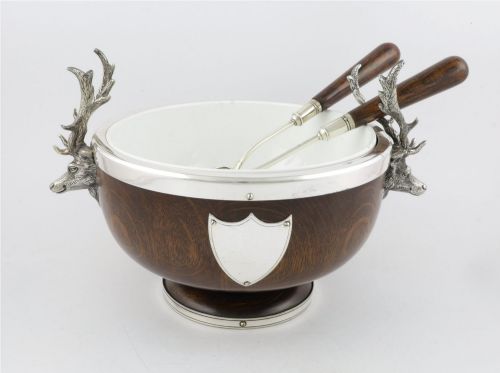
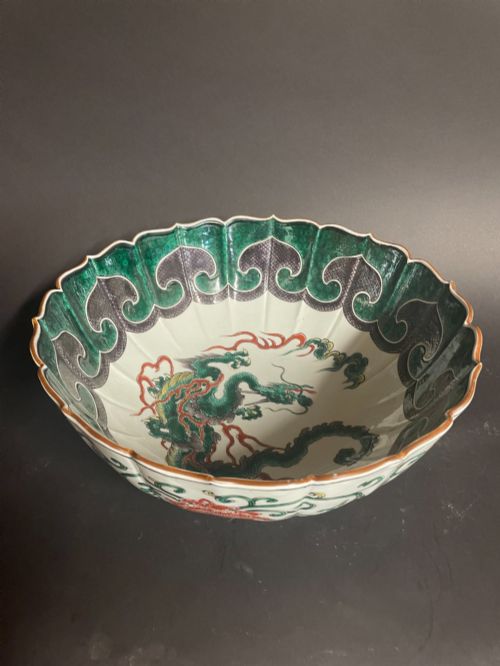
A vintage ceramic centrepiece dish is a substantial decorative vessel designed to sit in the middle of a dining table or sideboard. These pieces range from deep fruit bowls and comports to ornate soup tureens and footed baskets.
Buyers seeking this phrase encounter a mix of nineteenth-century porcelain, earthenware, and ironstone vessels. Continental workshops, English factories, and Japanese export kilns all contribute distinct forms to the selection.
The assortment includes pieces shaped by Victorian, Edwardian, and Art Deco tastes alongside earlier Regency and Rococo Revival designs. Pierced galleries, scalloped edges, and applied floral motifs frequently define the silhouette.
Materials and manufacture
Makers shaped these vessels from porcelain, earthenware, and ironstone, applying glossy glazes and rich enamels across the surface. Many examples incorporate hand-painted details, transfer printing, or lustrous finishes that shift in the light.
Gilding and gold leaf accent borders, handles, and raised relief work, while specialised techniques produce vibrant blue and white designs or mottled orange effects. Certain pieces feature intricate cut-out galleries and applied porcelain roses modelled by hand.
Vintage Ceramic Centrepiece Dish Retail Price Guide 2026
Typical asking prices for vintage ceramic centrepiece dish among the pieces listed under this phrase on Sellingantiques today, from the lower quarter to the upper quarter. They describe what is for sale here now, not the wider market.
Materials across the selection range from fine porcelain and ironstone to earthenware, enhanced with enamel, gilding, and lustres.
Assessing quality and execution
Quality rests in the crispness of the moulding, the control of the brushwork, and the richness of the glaze. Master painters achieved fine shading in landscape views and figures, whereas lesser pieces display hurried strokes and muted pigments.
The application of gold leaf and the intricacy of applied elements distinguish finer examples from standard production. Substantial weight, balanced proportions, and careful firing without warping mark the superior specimens.
Coalport or Coalbrookdale·Rockingham Porcelain·Schierholz Plaue·Maling·Mason’s·Wedgwood·Royal Dux·Meissen·Royal Worcester·Royal Doulton
The Vintage Ceramic Centrepiece Dish Glossary
- Comport
- A decorative footed bowl or dish used for serving fruit or sweets at the table. These elevated vessels stand on a central stem or base.
- Imari
- A style of Japanese export porcelain characterised by underglaze blue and iron red, frequently augmented with gold. These wares gained immense popularity across European interiors.
- Majolica
- Earthenware covered with an opaque tin-lead glaze and painted with bright metallic oxides. This technique produces vibrant greens, browns, and yellows.
- Tureen
- A large deep bowl fitted with a lid, originally intended for serving soup. Many surviving examples double as grand table centerpieces.
- Lustre
- A type of ceramic glaze that imparts a metallic sheen through the reduction of metallic oxides during firing. It creates an iridescent surface effect.
Vintage Ceramic Centrepiece Dish: Frequently Asked Questions
What is a vintage ceramic centrepiece dish used for?
These large vessels served as focal points on formal dining tables during dinner parties and feasts. They held seasonal fruit, sweetmeats, or floral displays to impress guests.
Today, owners utilise them primarily as decorative statements on sideboards, mantelpieces, or dining tables. They remain practical vessels for holding fruit or flowers in a domestic interior.
How do I identify a nineteenth-century piece?
Nineteenth-century vessels often display specific factory marks, handwritten pattern numbers, or impressed stamps on the base. Stylistic clues such as Rococo Revival scrolls or Victorian floral encrustations also point to this era.
Examining the foot ring, glaze pooling, and wear patterns helps confirm the age. Hand-painted details and ironstone bodies frequently indicate production during the 1800s.
How should I display my centrepiece dish?
Place the vessel in the centre of a large dining table or upon a sturdy sideboard where it commands attention. Ensure adequate lighting reaches the piece to highlight the glaze and gilding.
Keep the dish clear of heavy foot traffic to prevent accidental knocks. If used for fresh fruit or flowers, line the interior carefully to protect antique glazes from moisture.
What is Japanese Imari porcelain?
Japanese Imari porcelain refers to wares exported from the town of Arita during the Edo period and later. They feature a distinct palette of deep cobalt blue, iron red, and gold leaf.
European kilns frequently copied these bold patterns throughout the nineteenth century. Antique Imari pieces remain distinct for their dense decoration and scalloped edges.