

Painted Porcelain Vase
A painted porcelain vase brings together fine ceramic craft and detailed artistic brushwork across centuries of global design.
Painted Porcelain Vase
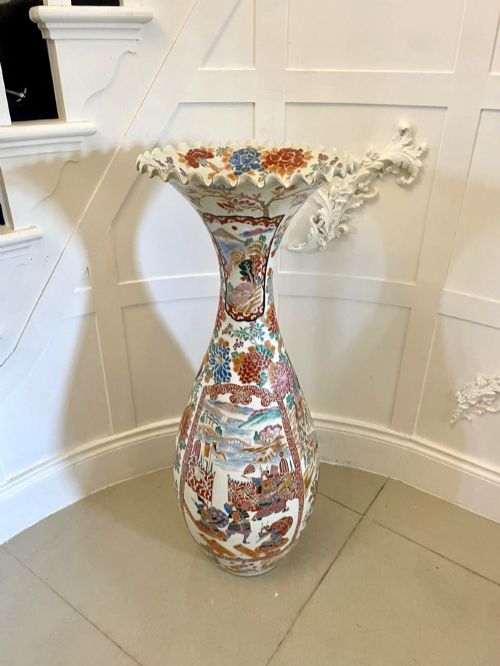
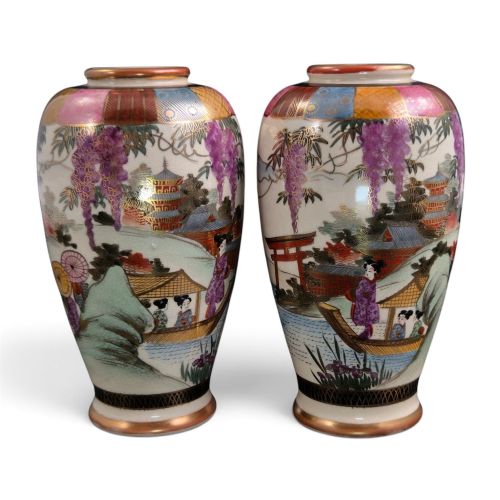
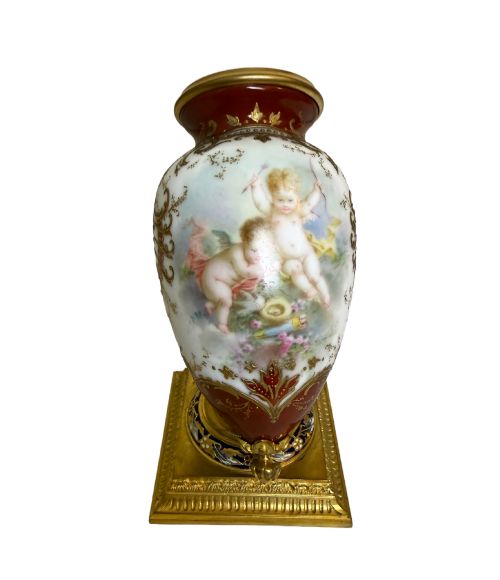
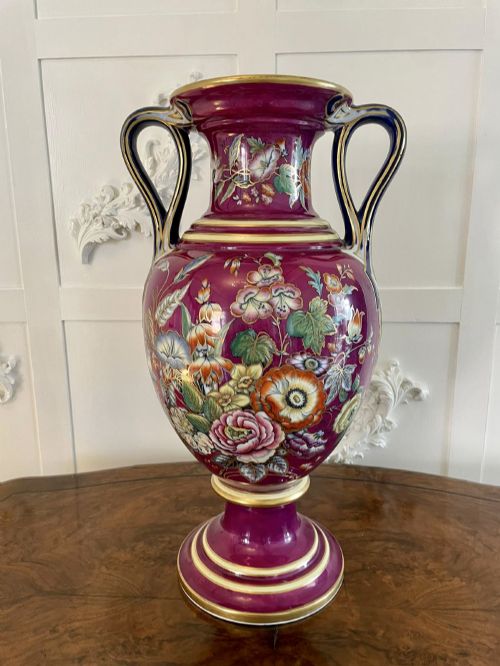
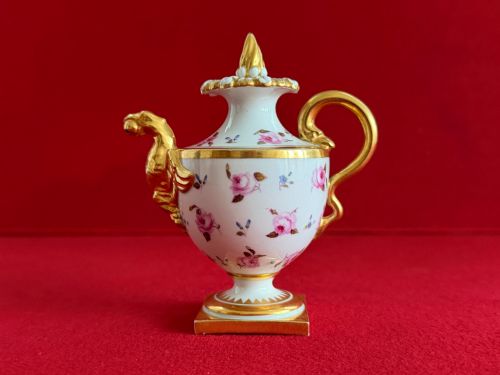
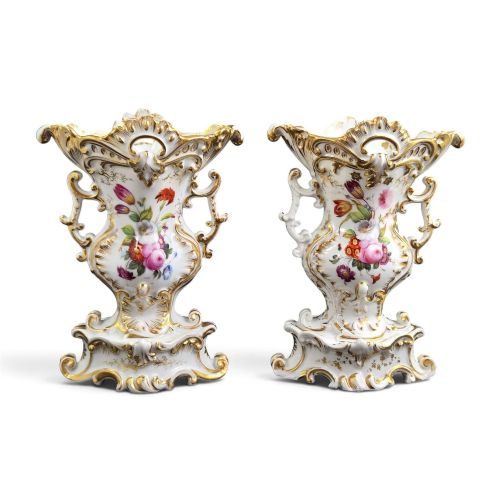
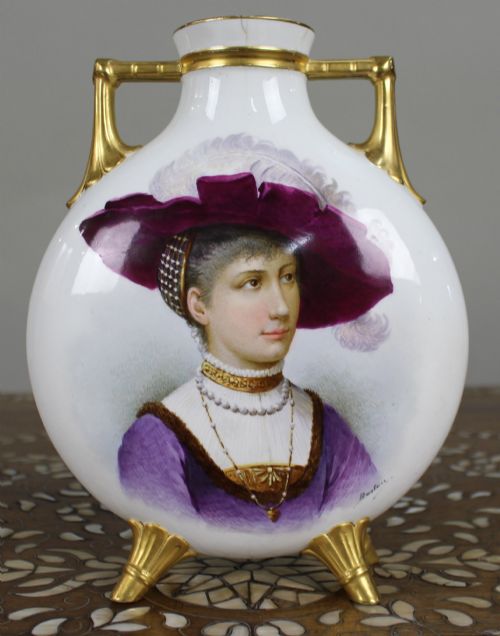
A painted porcelain vase functions as both a functional vessel and a decorative canvas, reflecting the tastes of makers from Georgian England to Meiji period Japan. When exploring this selection, buyers encounter domestic European works from factories such as Worcester and Sèvres alongside East Asian exports including Imari, Satsuma, and Famille Rose pieces.
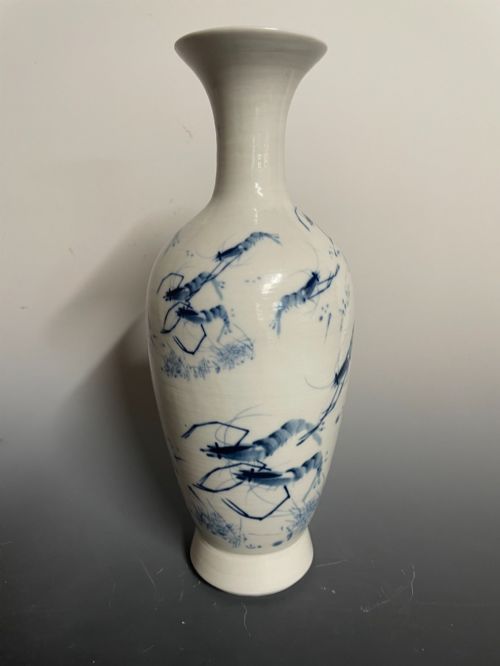
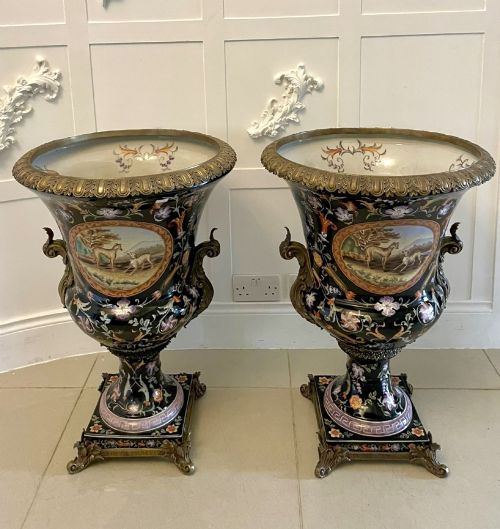
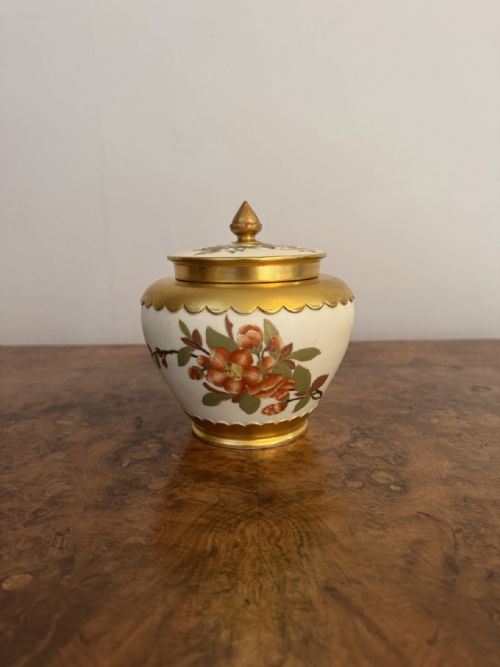
The physical forms vary significantly from slender bud vases and ginger jars to massive floor-standing urns and table lamps. Many examples date from the nineteenth century, showcasing periods of revivalism from French Rococo to Chinese Kangxi styles.
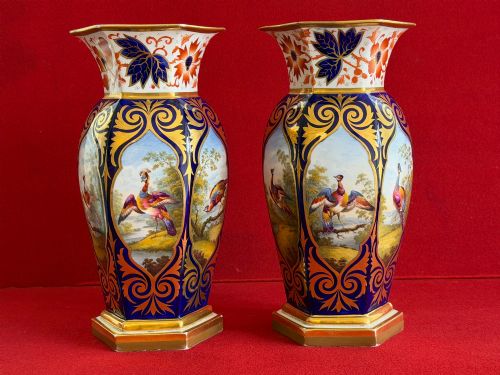
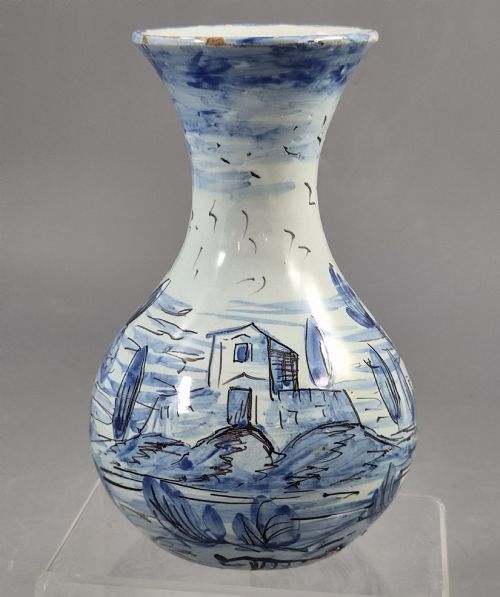
Makers utilised porcelain bodies decorated with hand-painted motifs, ranging from delicate botanical studies and ornithological scenes to complex figural compositions. These objects served as centrepieces in period drawing rooms and continue to function as focal points in modern interiors.
Materials and production techniques
Potters formed the core bodies from refined white ceramic clay fired at high temperatures to achieve durable porcelain. Artisans then applied underglaze pigments, overglaze enamel colours, and slip decoration by hand before secondary firings fixed the palette.
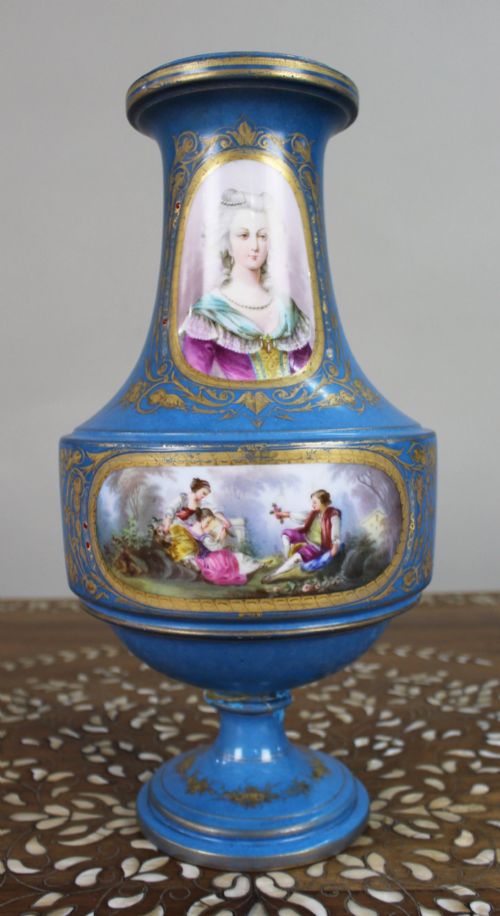
Many European and Asian workshops incorporated metallic enrichment, applying gold leaf, liquid gilding, or ormolu mounts made of brass to frame the painted panels. Glazes provided a protective glassy coating, ranging from clear transparent layers to rich bleu céleste and turquoise hues.
Factors determining quality
The distinction between standard commercial output and superior craftsmanship lies primarily in the execution of the painted detail and the purity of the porcelain body. Hand-painted works by named artists or major houses demonstrate exceptional brush control, tonal depth, and anatomical or botanical precision.
Structural additions such as fire-gilded bronze mounts, intricate handles, and fitted covers indicate higher production tiers. The clarity of the glaze and the subtlety of the colour palette separate mass-produced wares from exceptional cabinet pieces.
Flight Barr And Barr·Royal Worcester·Jacob Petit·Ernst Wahliss·Noritake
The Painted Porcelain Vase Glossary
- Bleu Céleste
- A vibrant sky-blue enamel ground colour popularised by French porcelain factories during the eighteenth and nineteenth centuries. This distinctive hue often forms the backdrop for painted floral cartouche panels.
- Famille Rose
- A palette of opaque enamels dominated by pink shades, introduced to Chinese porcelain decoration in the eighteenth century. The style spread widely through export markets and inspired numerous European imitations.
- Imari
- A traditional style of Japanese export porcelain characterised by underglaze blue, iron red, and gold overlay. Designs typically feature complex floral and geometric brocade patterns.
- Ormolu
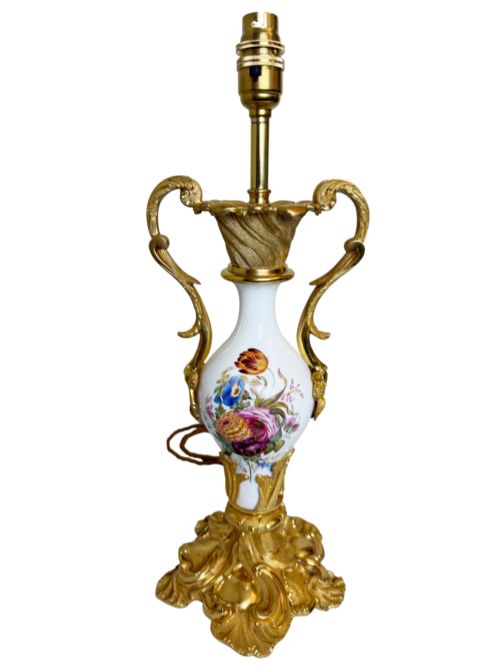
- Finely chased and gilt bronze or brass furnishings used to mount and decorate porcelain bodies. This technique added architectural weight and decorative luxury to French and English vases.
- Satsuma
- Earthenware and porcelain wares from Japan featuring a crackled creamy glaze decorated with polychrome enamels and raised gold. Production expanded significantly during the Meiji and Taisho periods for international buyers.
Painted Porcelain Vase: Frequently Asked Questions
Were these vases made for display or use?
Most high-end examples served primarily as decorative garnitures, mantel ornaments, or cabinet pieces intended to showcase household wealth and artistic taste. Forms like rose water sprinklers, potpourri pots, and jardinieres also fulfilled specific aromatic or horticultural functions in period interiors.
Larger floor jars and umbrella stands were engineered for heavy architectural placement in hallways and reception rooms.
How can I tell English porcelain from continental pieces?
Examine the base for factory marks, paste consistency, and glaze characteristics, noting that English works often utilised softer paste formulas in earlier periods. Continental makers in France, Germany, and Austria frequently employed distinctive colour palettes and ormolu mounts that differ from British manufacturing traditions.
Stylistic cues such as specific floral painting schools or neoclassical shapes also help determine regional origin.
Can converted lamp vases be restored?
Many antique vases were drilled or fitted for electricity during the twentieth century, which alters their original state as pure vessels. Reversing these alterations is complex, so collectors generally choose to live with them as functional lamps or seek out undisturbed examples.
Professional wiring checks ensure that existing electrical components meet current safety standards without compromising the historic ceramic body.