
Antique Decorative Vase
An antique decorative vase brings centuries of craftsmanship into a room, spanning delicate porcelain and heavy cast bronze.
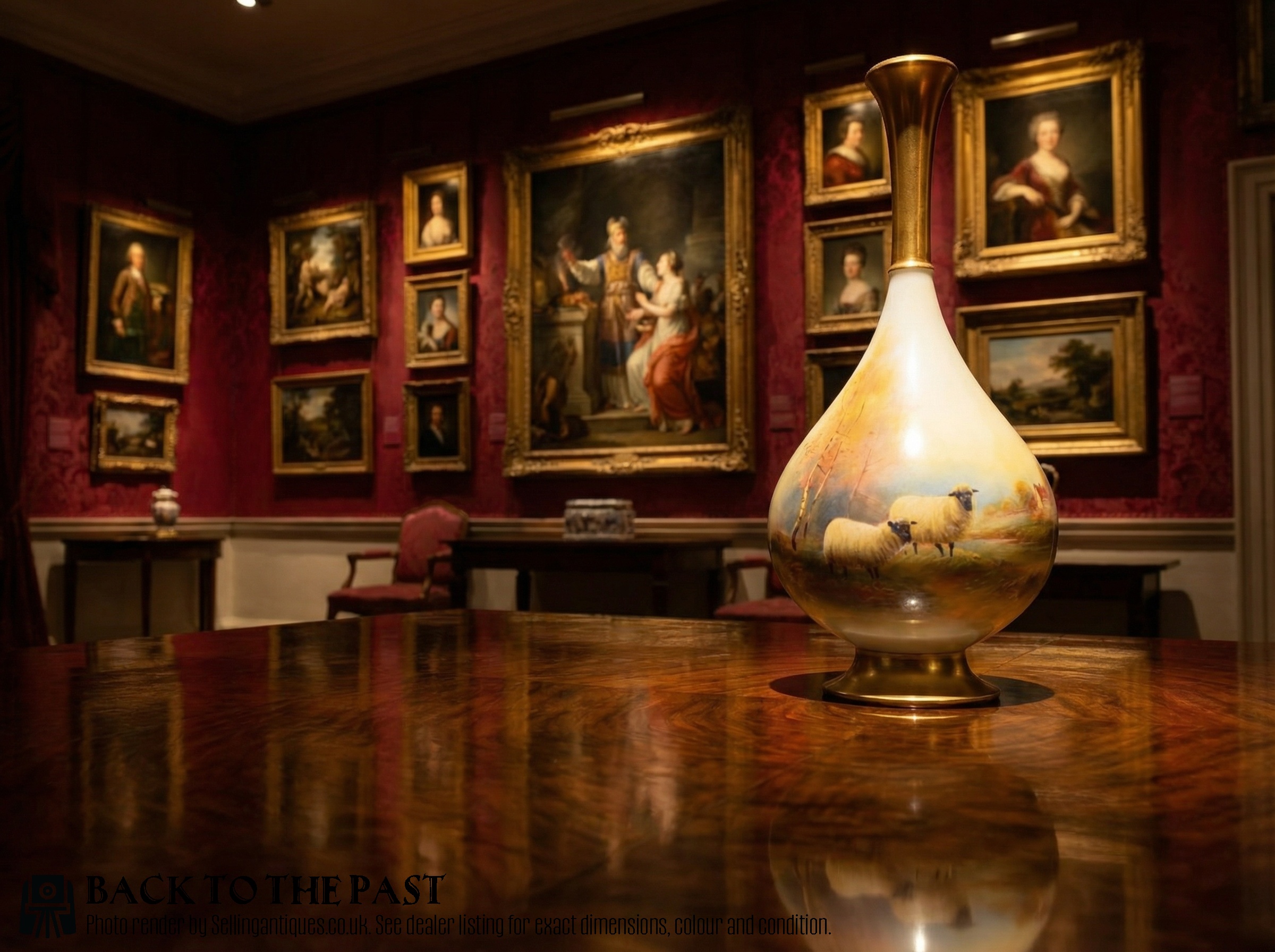
Antique Decorative Vase
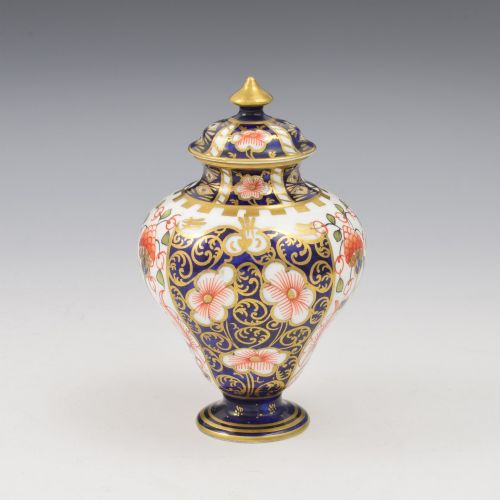
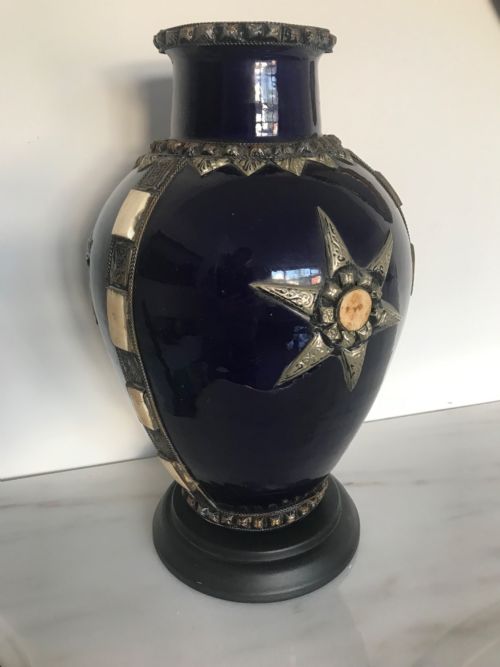
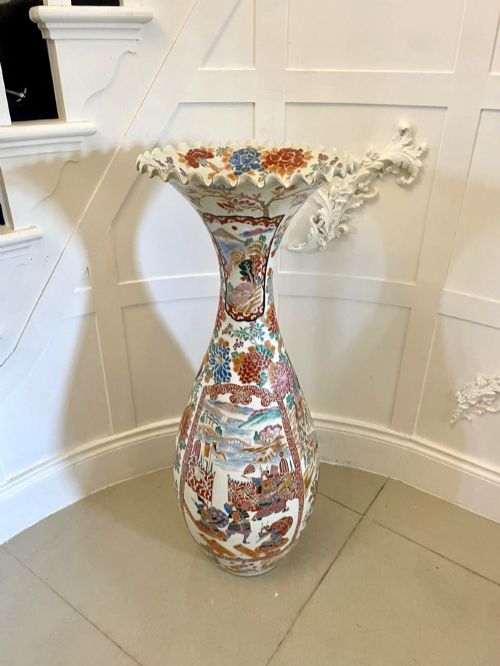
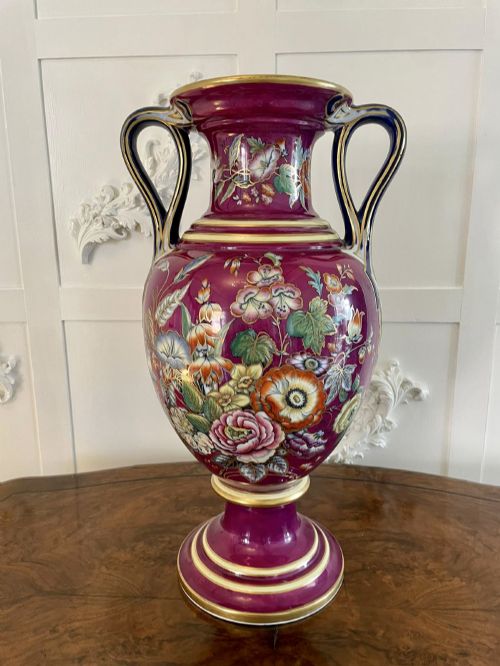
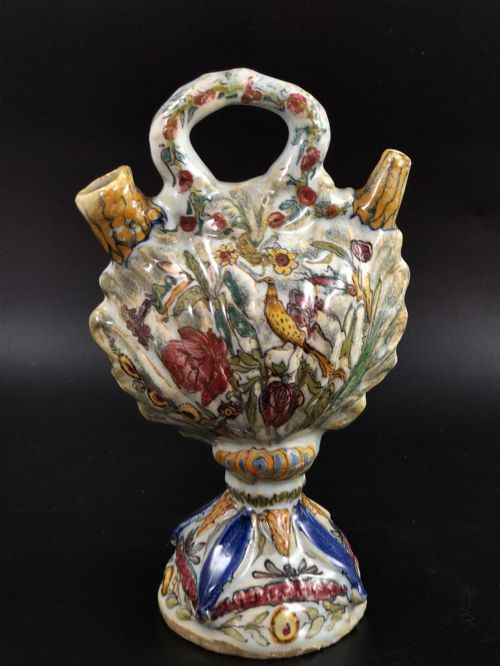
When searching for an antique decorative vase, buyers encounter a diverse selection of vessels designed purely for display rather than utility. These pieces include baluster urns, ginger jars, and moon flasks originating from European potteries and Asian workshops alike.
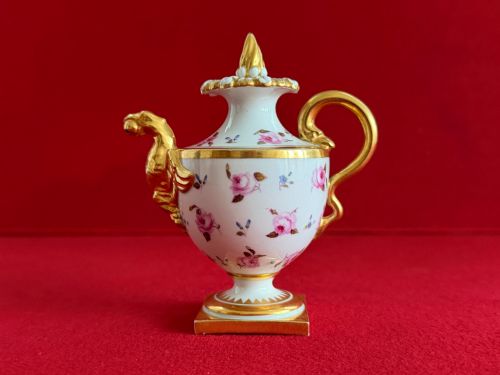
The assortment on this page draws heavily from the nineteenth and early twentieth centuries, reflecting Victorian, Art Nouveau, and Meiji period aesthetics. Examples range from diminutive porcelain miniatures to large floor-standing bronzes and earthenware vessels.
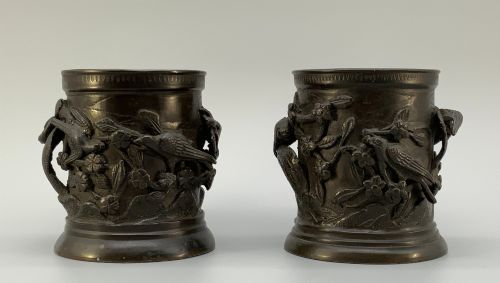
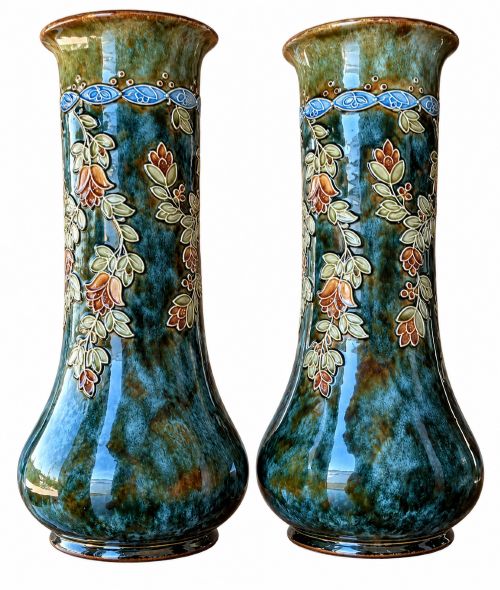
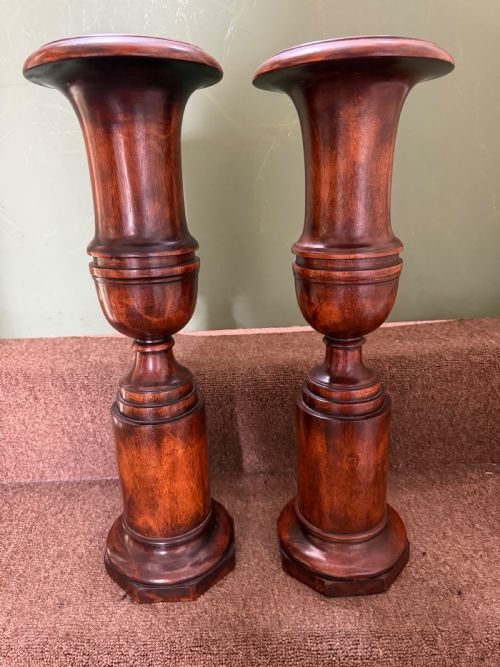
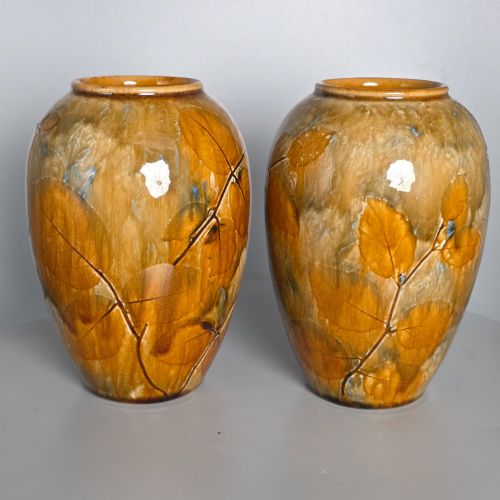
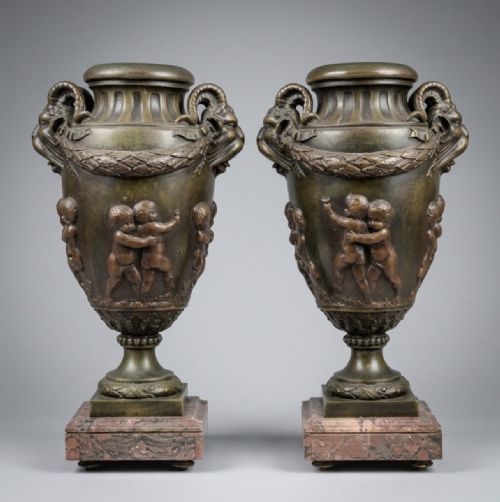
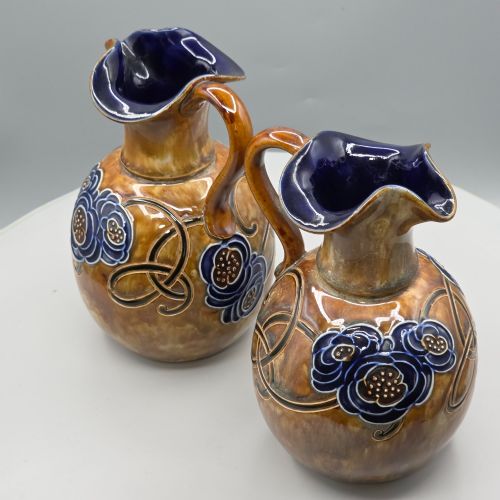
Many items appear in matched pairs or garnitures, intended for symmetrical placement on mantelpieces or console tables. Ceramic bodies often feature hand-painted glazes, while metal versions display intricate relief work or inlaid details.
How they were made
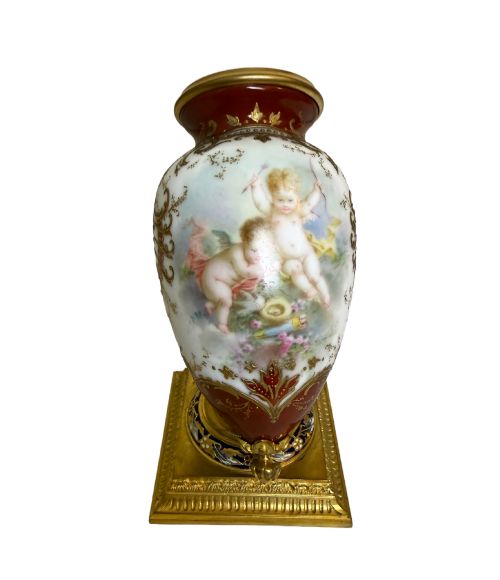
Ceramic vessels on this page utilise materials such as porcelain, earthenware, stoneware, and faience, shaped by throwing or moulding before receiving hand-applied glazes, enamel, and gilding. Potteries like Royal Doulton and Sevres employed skilled artists to paint floral and figurative motifs directly onto the clay bodies.
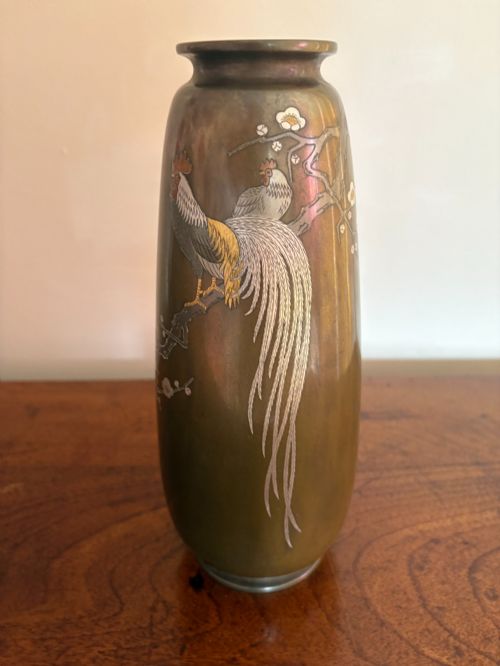
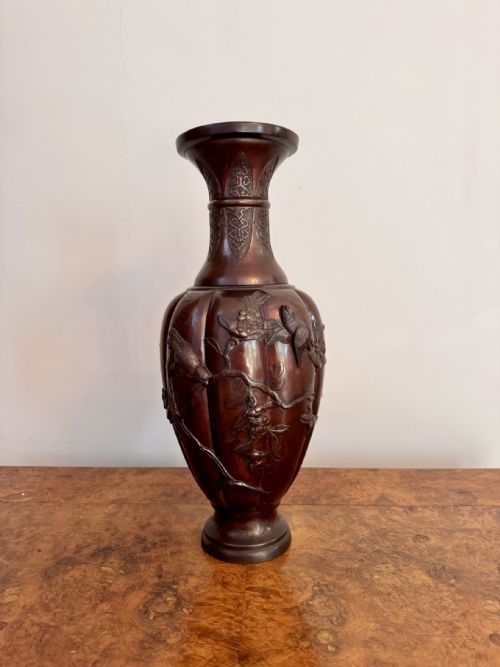
Metal pieces rely on bronze, brass, copper alloy, and spelter, often cast via traditional techniques and enhanced with champleve enamel, silver mounts, or gold leaf. Japanese workshops during the Meiji period utilised advanced bronze casting and cloisonne methods to create complex surface patterns.
Turned walnut and carved marble also appear among the material choices, demonstrating the varied traditions of European and Asian decorative arts. Artisans combined these structural materials with decorative mounts, handles, and patinated finishes to complete each design.
Even a humble earthenware jar can harbour a squad of Daoist immortals if you look closely at the relief work.
What varies in quality
The standard of a piece rests on the precision of its execution, whether in the crispness of a bronze casting or the fine brushwork on a glazed porcelain surface. Master artisans achieved superior definition in high-relief mouldings and enamel work, separating exceptional studio pieces from standard production wares.
Proportion and material weight also distinguish finer examples, particularly in matched pairs where symmetry and balance are paramount. Well-preserved patination, original gilt bronze mounts, and authentic maker marks indicate higher craftsmanship and preservation.
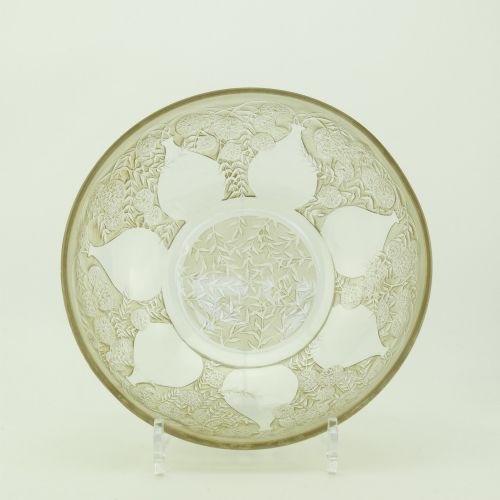
Royal Crown Derby·Royal Doulton·Rene Lalique·Flight Barr And Barr·Royal Worcester
The Antique Decorative Vase Glossary
- Baluster
- A tall vase form with a rounded body that tapers toward the base and swells near the middle. This classic shape supports elaborate surface decoration.
- Champleve
- An enamelling technique where troughs are dug into a metal surface and filled with vitreous enamel before firing. It creates vibrant patterns alongside exposed metal lines.
- Imari
- A style of Japanese porcelain featuring a distinct palette of underglaze blue, iron red, and gold. These pieces were widely exported and later emulated by European potteries.
- Spelter
- A zinc alloy commonly used in the nineteenth century as a less expensive alternative to bronze. It was often bronzed or painted to simulate heavier metal.
- Cloisonne
- A decorative metalwork technique using thin wire compartments soldered to a base and filled with enamel paste. The piece is then fired and polished to a smooth finish.
Antique Decorative Vase: Frequently Asked Questions
How do I identify a Meiji period bronze vase?
Meiji period bronzes originate from Japan between eighteen sixty-eight and nineteen twelve, a time of exceptional metalworking skill. They frequently feature high-relief motifs of birds, blossoms, or figures, sometimes enhanced with inlaid metals.
Examine the weight, the patination of the bronze, and the precision of the surface detailing to recognise the high standards of this era.
What distinguishes porcelain from stoneware?
Porcelain is a fine, translucent ceramic fired at high temperatures, resulting in a smooth, vitreous body often associated with delicate painted scenes. Stoneware is denser, opaque, and robust, frequently featuring textured glazes or salt-glazed finishes.
Both materials were utilised by major decorative potteries, though they yielded very different visual and tactile qualities.
How should I display a pair of decorative urns?
Matched pairs look best when placed symmetrically on substantial furniture such as sideboards, console tables, or flanking a fireplace. Their balanced design creates a formal focal point in a room.
Ensure the supporting surface is stable and capable of holding heavier metal or ceramic bodies safely.