



Gilt Handles Ceramic Bowl
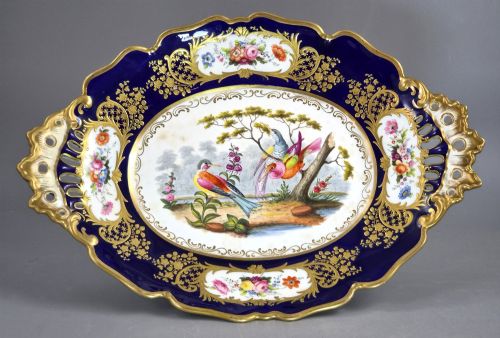
A gilt handles ceramic bowl brings richness to a table, combining lustrous metallic detailing with refined ceramic bodies crafted for display and service.
Gilt Handles Ceramic Bowl
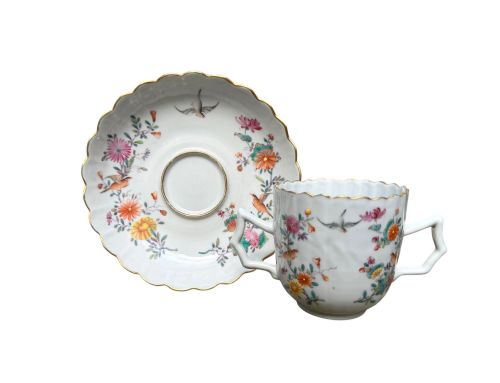
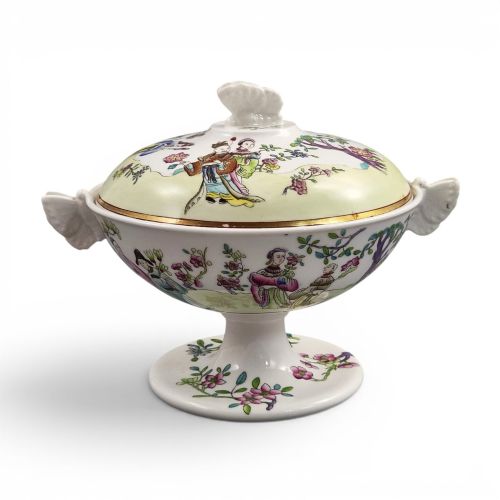
When you search for a gilt handles ceramic bowl, you enter a field spanning porcelain, bone china, felspar porcelain, and ironstone produced across the eighteenth, nineteenth, and early twentieth centuries. These vessels appear in forms such as centerpiece bowls, fruit bowls, covered pedestal bowls, and sauce tureens, reflecting both formal dining traditions and decorative arts.
The pieces you are most likely to meet on this page hail from English factories like Coalport, Spode, and Royal Worcester, alongside nineteenth-century Victorian productions and earlier Chinese export wares. Styles range from Regency and Neoclassical restraint to exuberant Victorian Rococo Revival and Qing Dynasty palettes.
Each gilt handles ceramic bowl demonstrates how makers integrated metallic highlights into utilitarian or ornamental vessels, whether through butterfly handles on pedestals or gilded mounts on soup and sugar bowls.
How they were made
Potters shaped these vessels using durable bodies of ironstone, hard-paste porcelain, bone china, and felspar porcelain, often throwing them on the wheel or casting them in moulds to achieve precise forms. Artisans then applied underglaze painting, transfer printing, or famille rose enamel work to decorate the surfaces before firing.
Gilding was executed using gold leaf or liquid gold paint, carefully brushed onto handles, rims, and borders before a final low-temperature kiln firing fixed the metal to the glazed ceramic. This meticulous application ensured that the metallic lustre adhered securely to the underlying porcelain or ironstone.
Gilt Handles Ceramic Bowl Retail Price Guide 2026
Typical asking prices for gilt handles ceramic bowl among the pieces listed under this phrase on Sellingantiques today, from the lower quarter to the upper quarter. They describe what is for sale here now, not the wider market.
Listings feature porcelain, ironstone, and bone china across periods spanning the eighteenth, nineteenth, and early twentieth centuries.
What varies in quality
The distinction between standard utility wares and exceptional pieces rests upon the crispness of the moulding and the finesse of the hand-painted decoration. Superior examples display intricate detailing in the enamel work and hand-chased or burnished gilding that retains its depth and brilliance.
The weight and translucency of the ceramic body also dictate worth, with fine felspar porcelain and early bone china demonstrating superior potting skill compared to heavier commercial ironstone.
Coalport·Spode·Flight, Barr & Barr·Royal Worcester·Mason’s Ironstone
The Gilt Handles Ceramic Bowl Glossary
- Felspar porcelain
- A specialised ceramic body patented in the nineteenth century, incorporating felspar to increase translucency and durability. It allowed manufacturers to produce robust yet refined vessels.
- Famille rose
- A palette of opaque enamels introduced in Chinese ceramics, dominated by pink or rose hues derived from colloidal gold. This coloration spread rapidly to European manufactories imitating oriental wares.
- Sauce tureen
- A covered ceramic vessel designed for holding and serving sauces at the dining table, typically equipped with two handles and often accompanied by a matching stand.
Gilt Handles Ceramic Bowl: Frequently Asked Questions
How are these bowls cleaned safely?
Wash these fragile ceramics by hand in lukewarm water using a mild detergent, avoiding abrasive sponges that can scratch the soft glaze or wear away delicate gold leaf.
Dry them immediately with a soft, lint-free cloth to prevent water spots from forming on the gilded handles and painted surfaces.
Can I use them for serving food?
Most antique pieces are best reserved for display or dry presentation due to age-related crazing in the glaze and the fragile nature of historic gilding.
Using them for acidic foods or placing them in modern dishwashers will permanently damage the enamel and metallic finishes.
What defines Regency style?
Regency design draws heavily on Neoclassical motifs, featuring clean classical lines, restrained proportions, and classical urn or pedestal forms.
The ornamentation often incorporates mythological themes or symmetrical floral patterns paired with precise gilding.
Why is ironstone heavier?
Ironstone is a dense, vitrified earthenware formulated to withstand heavy domestic use without chipping as easily as delicate porcelain.
Its thick composition gives these vessels a substantial weight that distinguishes them from lighter bone china and porcelain bodies.