



Royal Worcester Gilded Bowl
These pieces of a royal worcester gilded bowl bring together fine porcelain, hand painting, and rich metallic detailing across various periods.
Royal Worcester Gilded Bowl
A royal worcester gilded bowl represents the traditional British porcelain output, spanning periods from the Victorian era through the mid twentieth century. Buyers seeking a royal worcester gilded bowl will encounter various forms, including shell dishes, boat shaped vessels, and hand painted fruit designs.
The inventory includes specialised serving pieces and decorative dishes alongside floral spray patterns and signed cabinet items. These items reflect the shifting aesthetic preferences of English traditional design over several decades.
How they were made
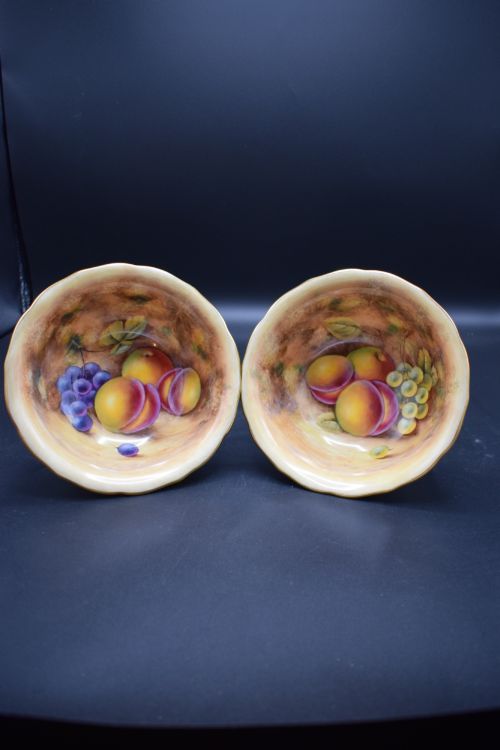
The makers utilised bone china and standard porcelain bodies as the foundation for these vessels, applying meticulous hand painting techniques. Skilled artists decorated the surfaces with floral sprays, storks, and detailed fruit studies.
Royal Worcester Gilded Bowl Retail Price Guide 2026
Typical asking prices for royal worcester gilded bowl among the pieces listed under this phrase on Sellingantiques today, from the lower quarter to the upper quarter. They describe what is for sale here now, not the wider market.
Storks and fruit dominated the minds of the painters, proving that birds and pears made remarkably good companions on porcelain.
What varies in quality
The distinction between standard production and top tier examples rests upon the identity of the artist and the complexity of the painted surface. Pieces bearing signatures from known painters command greater attention from collectors.
The precision of the gilding and the depth of the porcelain body further separate ordinary tableware from exceptional centrepieces. Preservation of the original hand painted details without rubbing remains central to the assessment of any piece.
Grainger and Co·Royal Worcester
The Royal Worcester Gilded Bowl Glossary
- Gilt
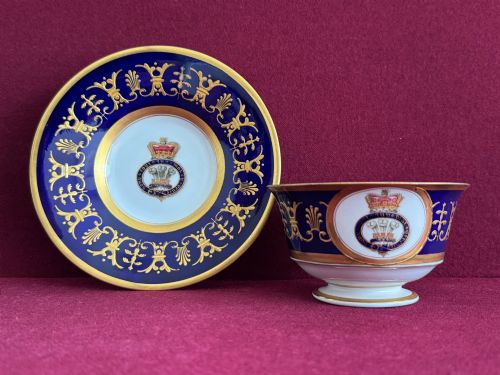
- A thin layer of gold applied to the surface of the porcelain. This metallic finish defines the borders and handles of many decorative bowls.
- Bone china
- A type of porcelain containing bone ash, known for its high strength and milky white appearance. It serves as the primary body for numerous traditional English vessels.
- Blush ivory
- A specific matte cream coloured ground finish developed by the factory. It provides a soft background for delicate floral spray painting.
- Comport
- A raised dish or bowl used for serving fruit or sweets. These pedestal pieces often feature elaborate painted fruit compositions.
- Enamel
- Opaque glass used to add coloured details over the glazed porcelain surface. It brings vibrant hues to painted bird and botanical motifs.
Royal Worcester Gilded Bowl: Frequently Asked Questions
How do I identify the date of a royal worcester gilded bowl?
Dating relies primarily on factory year ciphers and specific style periods represented in the manufacture.
Changes in body composition and the signature style of the period painters also help narrow the production era.
Were these bowls used for food or display?
Many larger vessels and soup bowls served functional roles during formal dining in Victorian and Edwardian households.
Smaller comports and bon bon dishes were frequently utilised for serving fruit or sweets on the table.
What does signed artist work mean for these bowls?
Pieces featuring signatures from notable painters indicate a higher level of individual artistry and factory attention.
Artists often specialised in specific subjects like fruit, birds, or intricate floral arrangements.
How should I clean a gilded porcelain bowl?
Gentle dusting with a soft dry cloth is usually sufficient for maintaining the surface of antique porcelain.
Harsh detergents and scrubbing must be avoided to protect the delicate enamel work and gold leaf.