


Painted Porcelain Fruit Bowl
A painted porcelain fruit bowl brings rich colour and traditional craftsmanship to a table.
Painted Porcelain Fruit Bowl
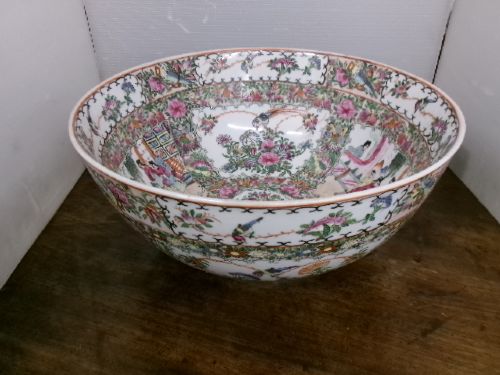
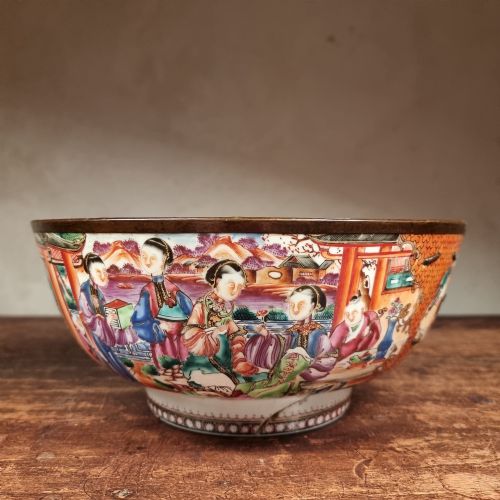
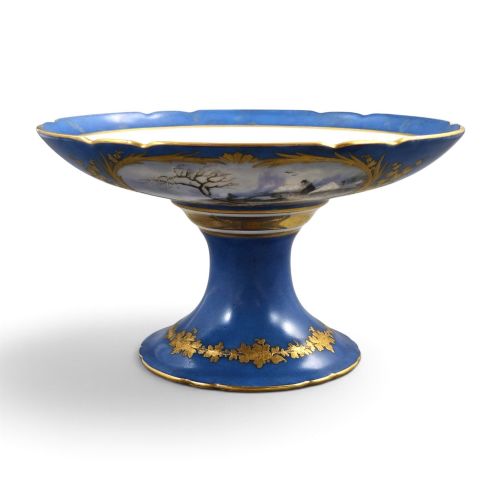
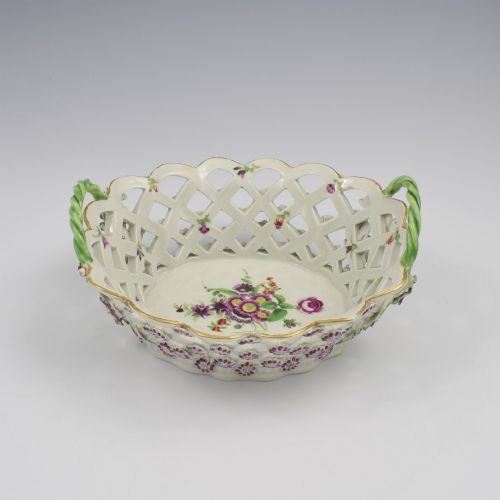
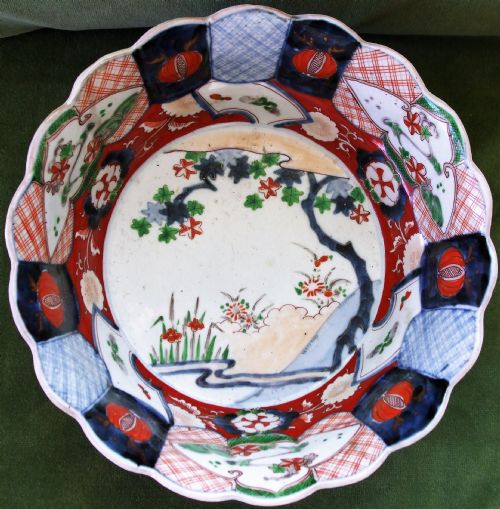
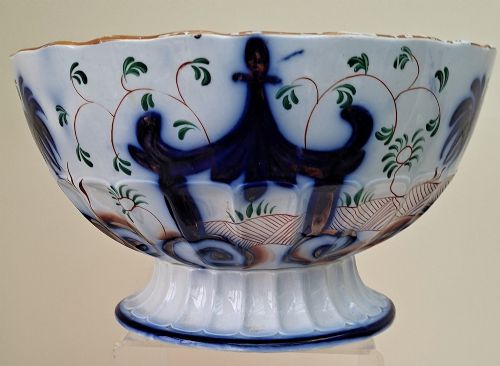
A painted porcelain fruit bowl encompasses a variety of decorative vessels designed for display and dining, appearing frequently across nineteenth-century and eighteenth-century periods. Buyers searching for a painted porcelain fruit bowl encounter diverse forms ranging from large Japanese Imari and Chinese Canton pieces to English bone china comports and Continental centrepieces. These items serve as substantial decorative centrepieces, footed bowls, and pedestal dishes intended to hold fruit or stand alone as focal points.
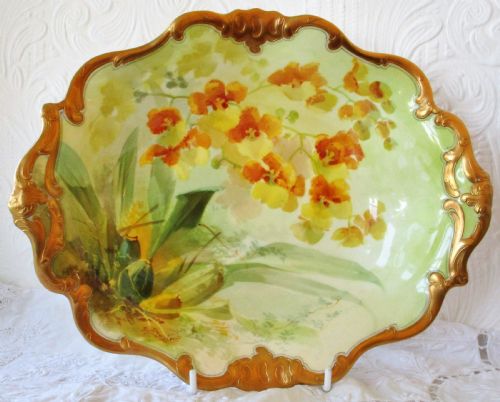
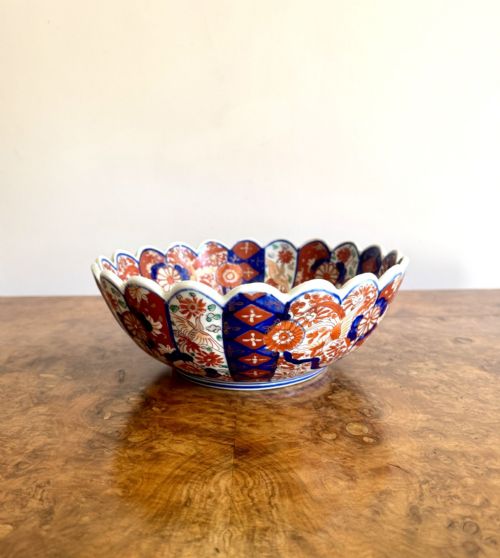
The selection includes nineteenth-century Chinese porcelain, English cabinet pieces, and Japanese Meiji period examples with intricate hand-painted motifs. Many examples feature specialised shapes such as scallop edges, boat-shaped bodies, and pierced galleries designed to display elaborate floral and animal patterns.
Materials and Techniques
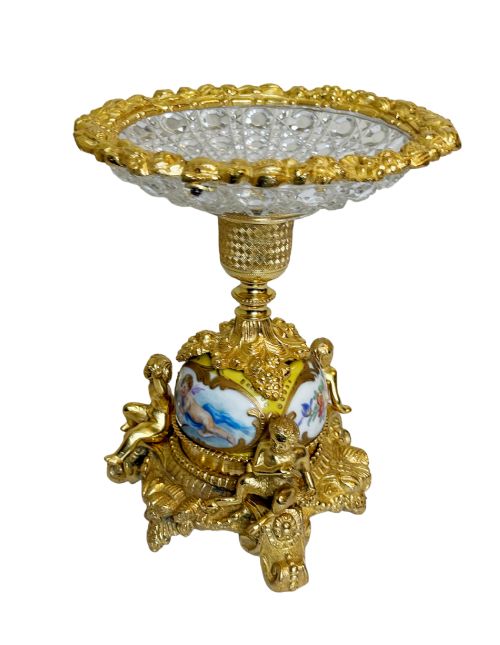
The creation of these bowls relies on fine porcelain, bone china, and ironstone bodies decorated with enamel paints, gold leaf, and gilt bronze mounts. Artisans applied polychrome enamels and cobalt blue pigments by hand before firing, often incorporating gilding or ormolu details to enhance the rims and footed bases.
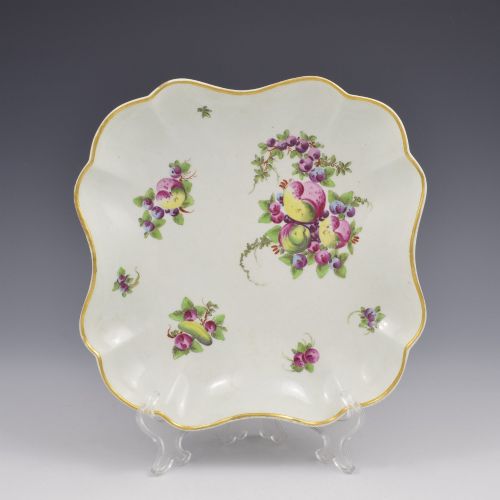
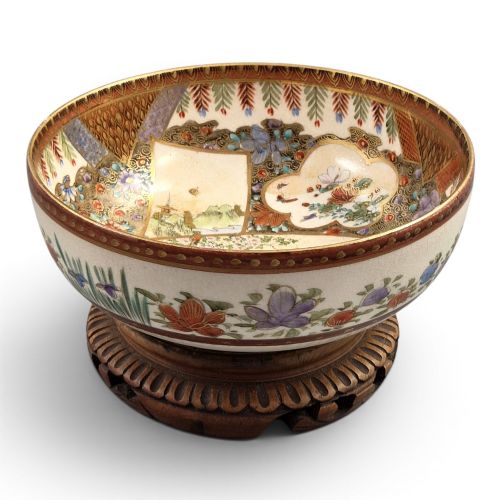
Techniques span traditional Asian export methods, such as Imari and Famille Rose palettes, alongside European factory traditions from Worcester, Sèvres, and German manufacturers. Many pieces combine glazed porcelain with structural elements like gilt bronze mounts or custom wooden stands.
Listings span the eighteenth, nineteenth, and twentieth centuries, featuring materials such as bone china, gilt bronze, and enamel.
Evaluating the Pieces
Quality in these bowls rests upon the precision of the hand-painted brushwork and the complexity of the polychrome or cobalt decoration. Superior examples display crisp detail in figurative or floral motifs, careful application of gilding, and well-balanced forms.
The distinction between standard production and exceptional work also involves the provenance of the maker and the condition of the porcelain body and enamel surface. Finer specimens retain vibrant pigments and intricate detailing without excessive wear to the gilt highlights.
Royal Worcester·Sèvres·Samson Of Paris·Chamberlain Worcester·Royal Doulton
The Painted Porcelain Fruit Bowl Glossary
- Comport
- A raised dish or bowl used for serving fruit or dessert at the table. These often feature footed bases or pedestals elevating the vessel above the surface.
- Imari
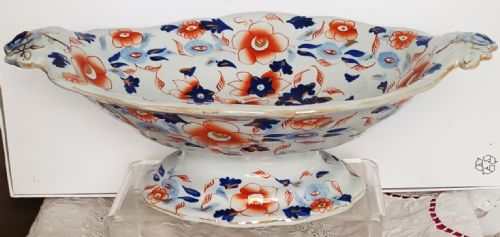
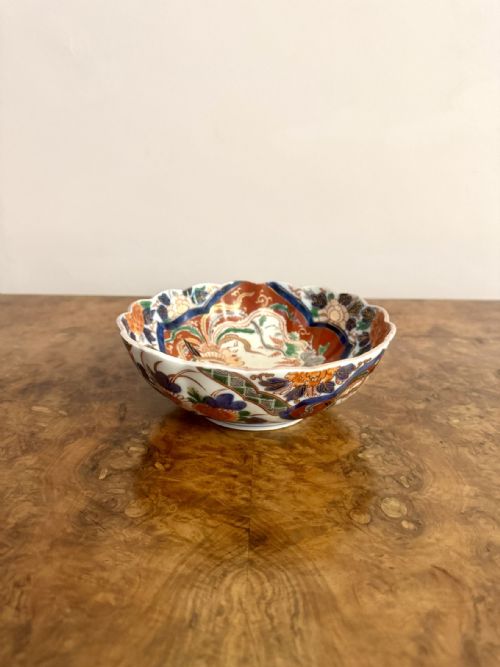
- A traditional Japanese style of porcelain decoration characterised by underglaze blue and overglaze red, gold, and other colours. This style became popular for export and domestic display.
- Famille Rose
- A Chinese ceramic palette featuring an opaque pink enamel introduced during the Qing dynasty. The style depicts soft floral and figural compositions.
- Ormolu
- Gilded bronze applied as mounts, feet, or decorative handles on nineteenth-century decorative bowls. This technique adds structural weight and ornamental detail to porcelain bodies.
- Tazza
- A shallow bowl or cup mounted on a stem and foot, used for presentation. It serves as a formal centrepiece in European tableware traditions.
Painted Porcelain Fruit Bowl: Frequently Asked Questions
How were painted porcelain fruit bowls used historically?
These bowls served primarily as dining table centerpieces holding fresh fruit or sweetmeats during formal meals. They also functioned as decorative cabinet pieces displayed on sideboards to showcase wealth and taste.
Over time, their role shifted toward pure ornamentation, particularly with larger footed bowls and comports designed to catch the light and highlight intricate painted scenes.
What is the difference between an Imari bowl and a Famille Rose bowl?
Imari bowls originate from Japan and rely on a distinct palette of deep underglaze blue combined with iron red and gilt highlights. The patterns often feature complex geometric and floral panels.
Famille Rose bowls come from China and are defined by an opaque pink or rose enamel, alongside softer pastel shades depicting naturalistic flowers, birds, and figures.
Can I use these antique bowls for serving food today?
While these vessels were originally made for serving fruit or sweets, many older enamels and gilt surfaces are sensitive to modern dishwashers and acidic foods. It is safer to use them for dry display or light decorative purposes.
Historical pigments on eighteenth-century and nineteenth-century pieces can wear down with frequent use, so cautious owners generally reserve them for visual appreciation.