



Collectable Porcelain Dish
A collectable porcelain dish brings cabinet-level artistry and hand-painted scenes directly to a table or display wall.
Collectable Porcelain Dish
A collectable porcelain dish spans decorative plates, cabinet plates, bowls, and powder bowls produced across Georgian, Victorian, Edwardian, and mid-twentieth-century periods.
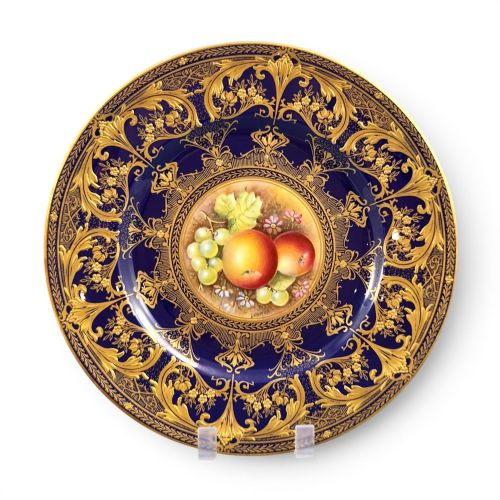
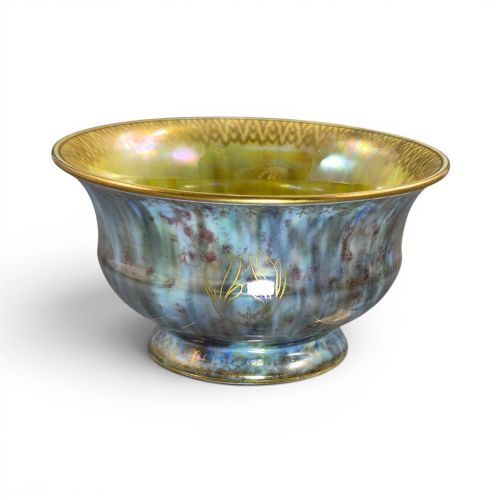
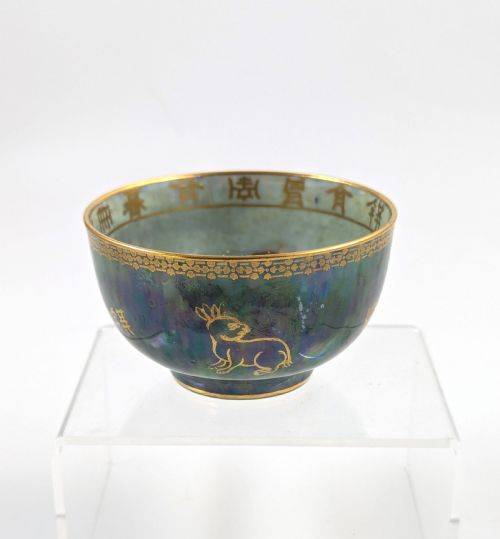
The versions most commonly met here include hand-painted floral dessert plates, gilt-accented cabinet pieces, and distinctive lustreware bowls from major English potteries.
Forms range from traditional dining and dessert plates to specialised cabinet pieces and lidded powder bowls reflecting Art Deco tastes.
Materials and production techniques
Pieces utilise fine porcelain, bone china, and ceramic bodies shaped into plates, bowls, and specialised vessels.
Decoration relies on hand-painting by named artists, enamel work, and applied gold leaf, gilding, or gold gilt highlights.
Collectable Porcelain Dish Retail Price Guide 2026
Typical asking prices for collectable porcelain dish among the pieces listed under this phrase on Sellingantiques today, from the lower quarter to the upper quarter. They describe what is for sale here now, not the wider market.
Listings feature porcelain from the Georgian, Victorian, and Edwardian eras through to the 1950s and 1960s.
Assessing quality in porcelain dishes
The distinction between standard production and top-tier pieces rests upon the execution and attribution of the hand-painting, particularly floral and figural work by documented artists.
Complexity of glaze effects, such as specialised lustre finishes, and the presence of prestigious commissioning provenance or royal association elevate individual examples.
Royal Worcester·Wedgwood·Cauldon Ltd·Derby Porcelain·Minton·Barr Flight And Barr·Coalport·Meissen·Royal Crown Derby
The Collectable Porcelain Dish Glossary
- Cabinet plate
- A decorative plate intended solely for display in a cabinet rather than for dining use. These items usually feature intricate hand-painted central scenes and rich gilding.
- Lustreware
- Pottery or porcelain finished with a metallic glaze that produces an iridescent, glowing sheen. This technique creates shimmering surface effects often seen in dragon and fantasy motifs.
- Bone china
- A type of soft-paste porcelain containing bone ash, known for its high strength, chip resistance, and translucent white body. It became a staple of fine English ceramic manufacturing.
- Gilding
- The application of gold leaf or gold powder to the surface of porcelain for decorative borders and highlights. It is frequently fired onto the glaze to ensure permanence.
- Kakiemon
- A style of Japanese enamelled porcelain decoration adopted by European factories like Meissen. It employs a distinctive palette of iron red, blue, green, and yellow.
Collectable Porcelain Dish: Frequently Asked Questions
How do I display a cabinet plate safely?
Cabinet plates are best supported by specialised wall hangers with rubber-coated prongs or displayed upright on sturdy plate stands inside enclosed glass cabinets.
Avoid hanging pieces in direct sunlight or areas subject to drastic temperature changes to protect the painted enamels and gilding over time.
Can I use these plates for serving food?
Most antique and collectable porcelain pieces are intended for display or light dessert service rather than heavy daily use. Hand-painted surfaces and delicate gold leaf can wear down with frequent washing.
Wash older pieces gently by hand in lukewarm water using mild soap, avoiding dishwashers and abrasive sponges entirely.
How do I identify the period of a porcelain dish?
Makers' marks stamped, painted, or impressed on the underside provide the most reliable clue to a piece's date of manufacture. Reference guides map these backstamps to specific active years of the pottery.
Stylistic indicators such as Art Deco geometries or Georgian floral palettes also help narrow down the decade of creation.
What makes lustreware bowls different from standard porcelain?
Lustreware involves metallic oxide glazes applied during firing to produce a reflective, rainbow-like sheen across the surface. This technique requires precise kiln control to achieve the desired iridescence.
Artists used this method to highlight fantastical designs like dragons and glowing landscapes.