



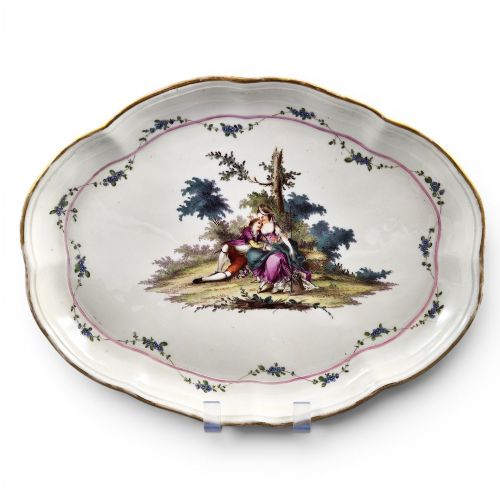
White Porcelain Platter
White porcelain platters bring historic serving pieces into modern spaces, offering generous proportions and enduring painted detail.
White Porcelain Platter
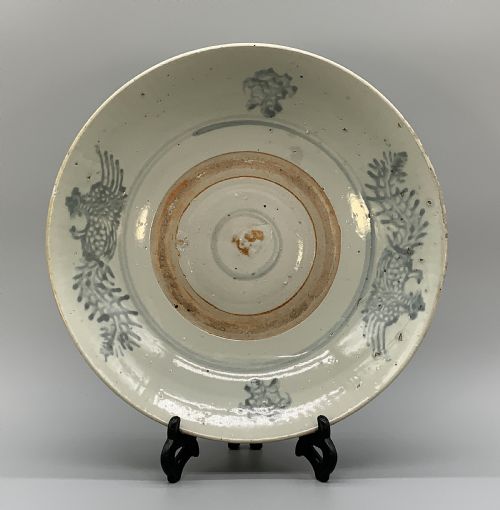
A white porcelain platter encompasses large serving dishes, chargers, and trays produced across multiple centuries in Europe and Asia. When searching for a white porcelain platter, collectors encounter pieces spanning the seventeenth century through the early twentieth century, including Chinese Export items, English factory wares, and Japanese Arita imports.
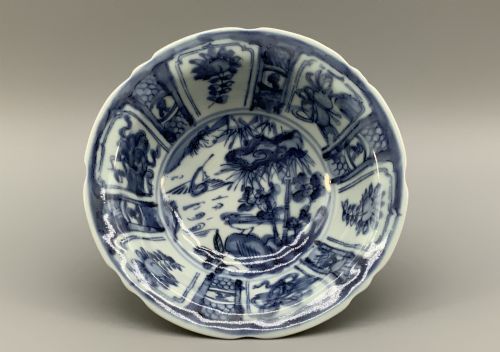
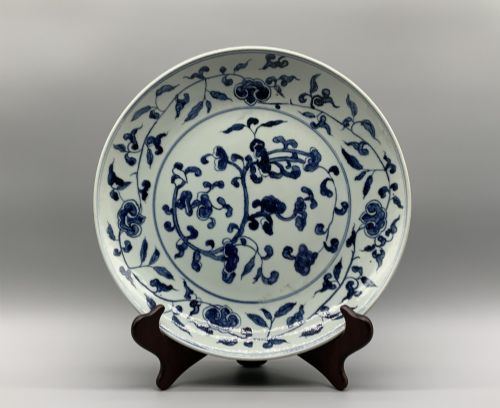
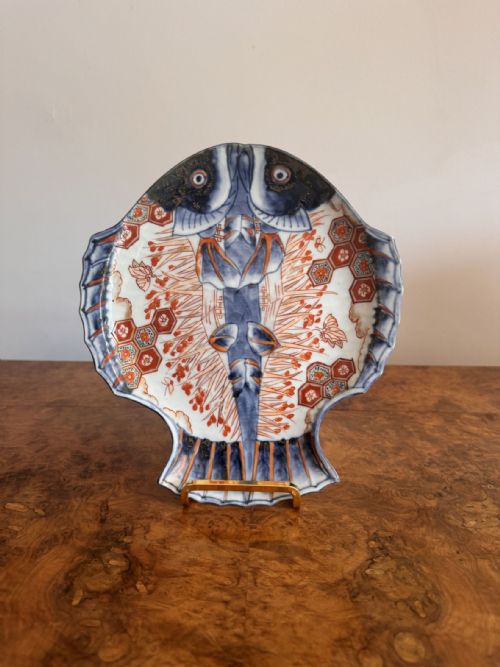
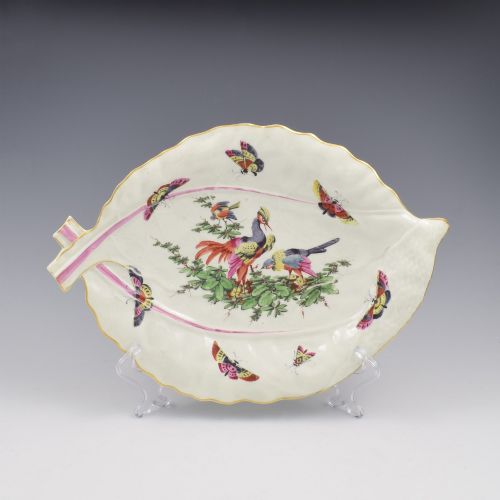
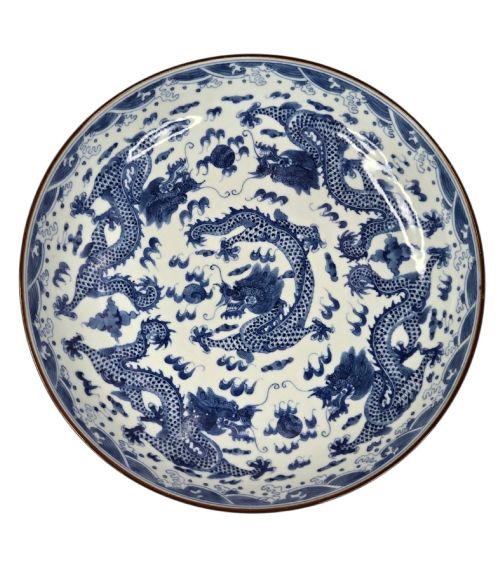
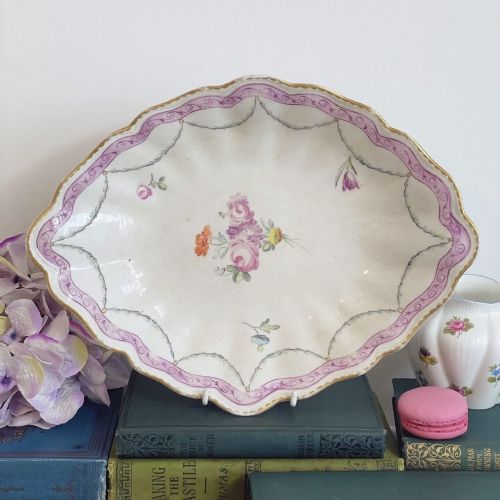
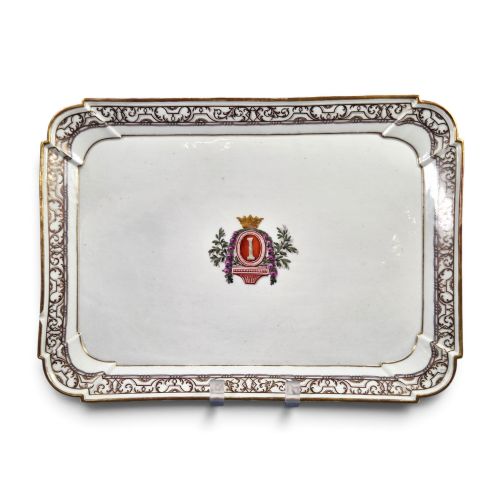
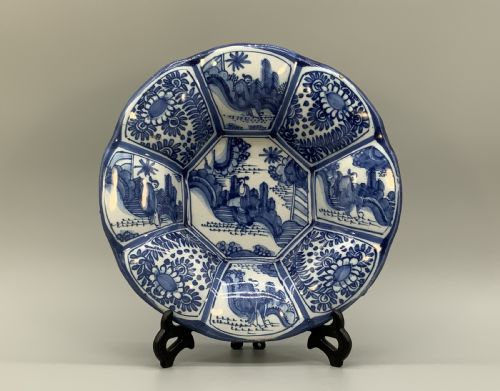
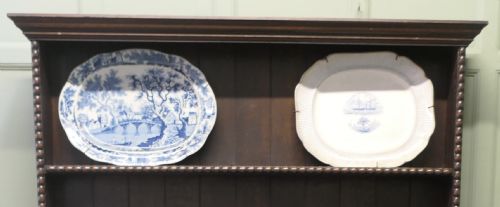
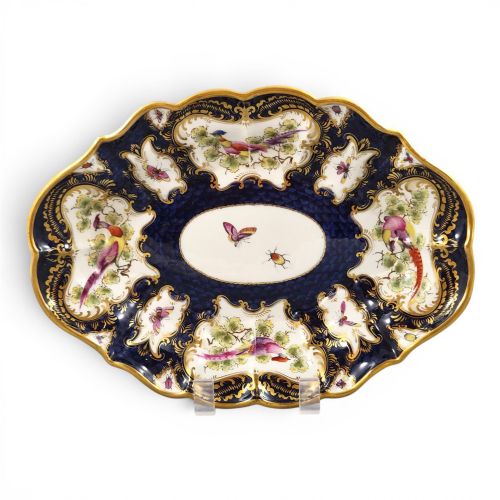
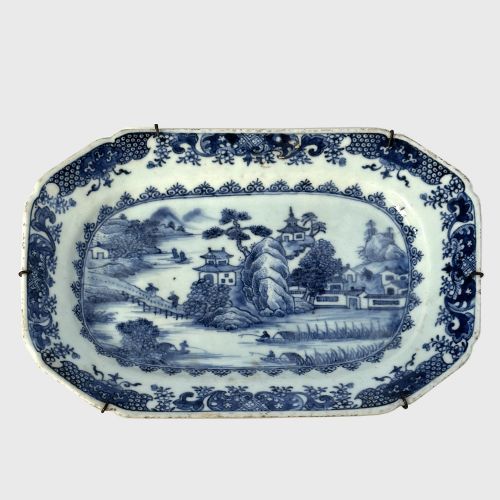
The selection ranges from massive chargers intended for display to smaller serving dishes designed for dining tables. Many examples incorporate blue and white decoration, polychrome enamels, or moulded forms such as fish and octagonal profiles.
How They Were Made
Potters utilised fine ceramic bodies combined with glossy glazes, frequently applying cobalt underglaze pigments before firing at high temperatures. Hand-painting remained standard, with artisans rendering intricate floral, foliate, and figurative motifs directly onto the surface.
Certain English and European productions integrated pearlware or ironstone bodies for increased durability, while others relied on delicate porcelain formulas supplemented by enamel highlights and gold leaf.
Listings feature porcelain, earthenware, and pearlware bodies spanning the seventeenth century to the twentieth century.
What Varies in Quality
The distinction between ordinary utility wares and exceptional items lies in the crispness of the hand-painted brushwork and the purity of the white ground. Superior pieces display confident, fluid cobalt application and well-balanced compositions across complex surfaces.
Forming techniques also separate output, seen in crisply moulded lobed edges, scalloped profiles, and intricate dimensional shapes rather than heavy, distorted profiles.
Ludwigsburg Porcelain Royal·Royal Bonn·Müller Volkstedt MV Co·Bow Porcelain
The White Porcelain Platter Glossary
- Charger
- A large decorative plate or platter traditionally used for ceremonial dining or display. These substantial vessels often anchor a table or sideboard.
- Cobalt Underglaze
- A blue pigment applied to ceramic pieces prior to glazing and firing. This technique withstands high kiln temperatures, yielding permanent indigo designs.
- Kraak Style
- A Dutch designation for Chinese export porcelain characterised by panelled borders and central landscape motifs. It gained immense popularity in Europe during the seventeenth century.
- Imari
- A style of Japanese porcelain featuring vibrant iron-red, cobalt blue, and gilt decoration. Originating in Arita, these wares were widely exported to the West.
White Porcelain Platter: Frequently Asked Questions
How do I identify a Chinese export platter?
Chinese export platters typically exhibit characteristic blue and white or famille rose palettes tailored for Western markets during the eighteenth century. Examining the foot ring and body paste helps distinguish these pieces from later European copies.
Inspect the glaze texture and painting style for the spontaneous brushstrokes typical of period export workshops. Many feature traditional landscapes or armorial designs commissioned by foreign buyers.
What is the difference between a charger and a platter?
Chargers are generally much larger, flatter dishes historically utilised for grand table service or as decorative wall pieces. Platters tend to be more oval or rectangular, specifically shaped for presenting meats and large courses.
While both terms occasionally overlap in historical inventories, physical dimensions and depth usually clarify the intended function of the ceramic piece.
How should I display a heavy porcelain charger?
Large antique chargers require secure, stable wall hangers designed to distribute weight evenly across the ceramic rim. Alternatively, heavy iron display stands provide safe support on sturdy sideboards or cabinets.
Ensure the mounting hardware engages the rim securely without applying undue pressure to historical glaze surfaces.
Can antique porcelain platters be used for serving food?
Many sturdy nineteenth-century ironstone and porcelain platters remain structurally sound for occasional modern dining use. However, fragile eighteenth-century enamel or gilt pieces are better reserved for display to prevent surface wear.
Hand washing with mild soap is essential for preserving historical glazes and preventing thermal shock to aged ceramic bodies.