


Worcester Painted Fruit Dish
A worcester painted fruit dish brings botanical study and rich gilding together on fine ceramic forms, prized for detailed hand painting.
Worcester Painted Fruit Dish
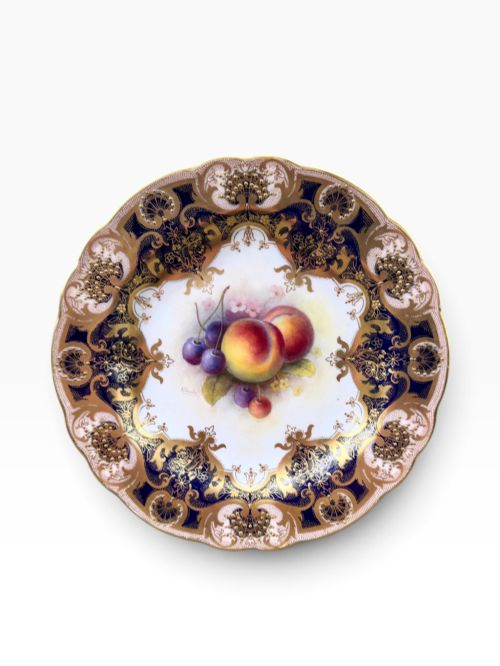
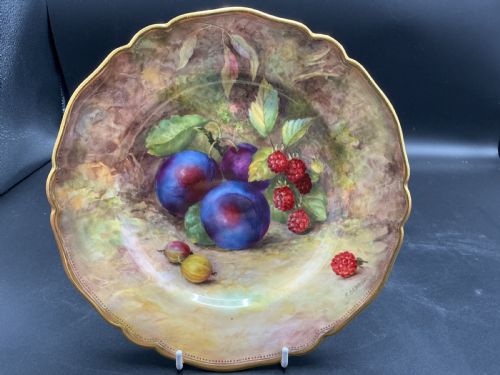
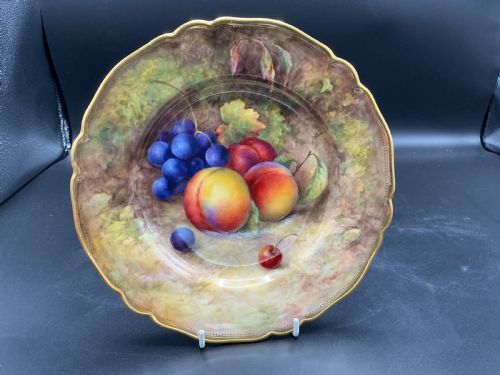
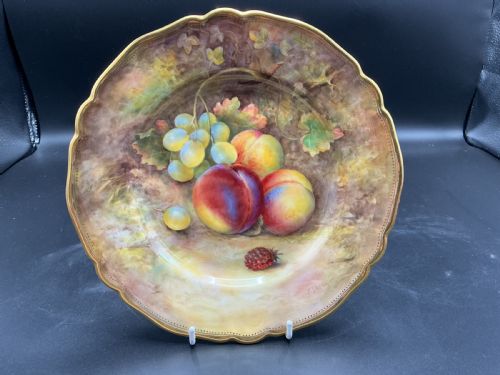
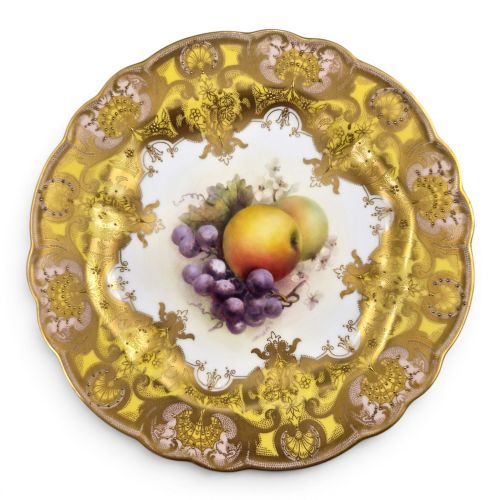
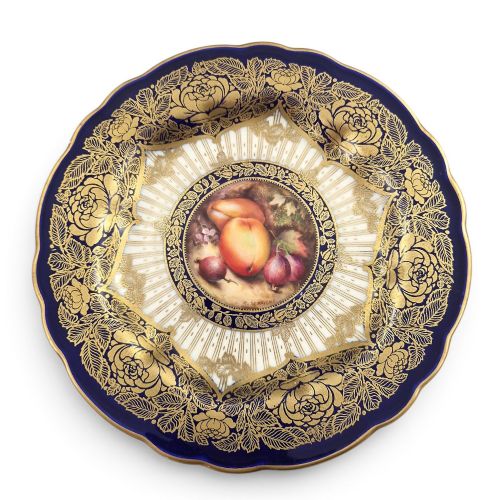
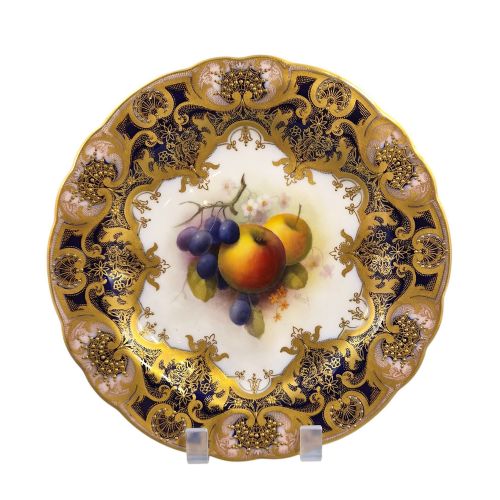
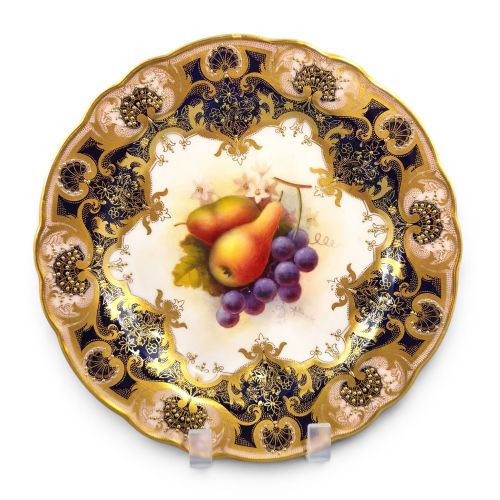
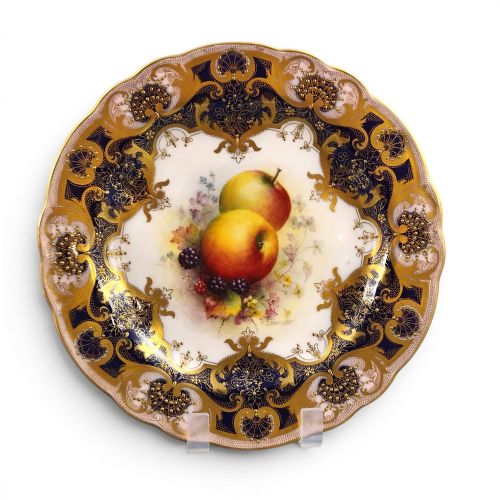
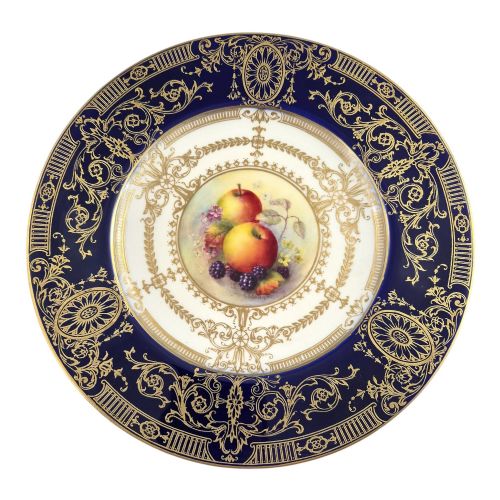
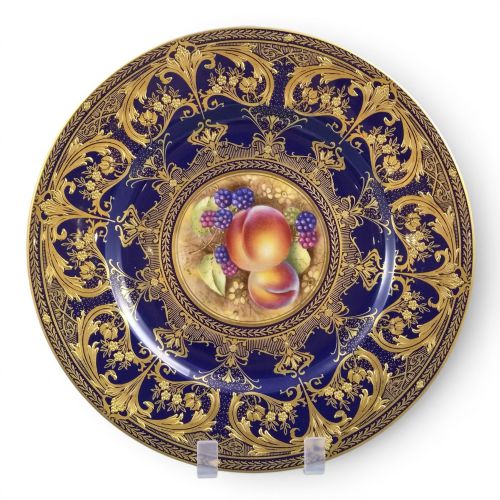
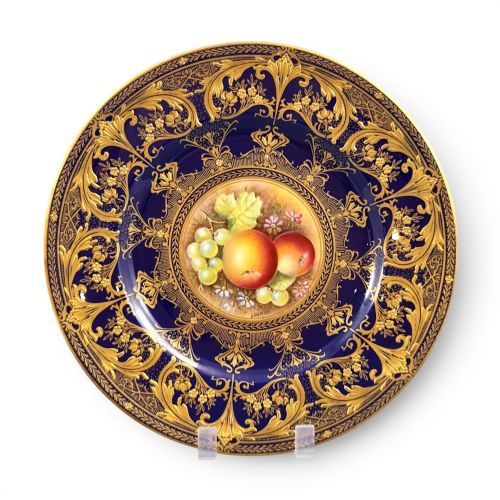
A worcester painted fruit dish encompasses various serving pieces, dessert plates, and cabinet plates featuring naturalistic studies of fruit. The most frequent examples encountered on this page stem from the early twentieth century, produced by Royal Worcester.
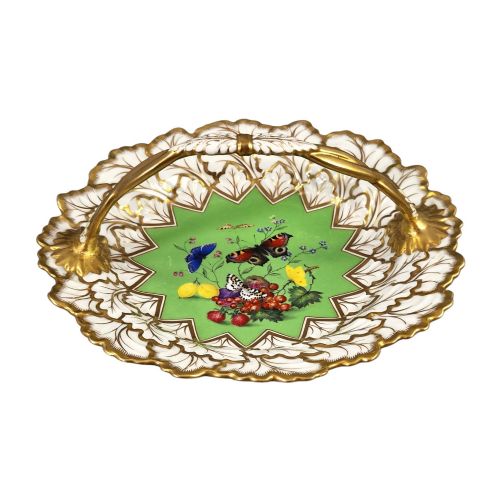
The selection ranges from cabinet plates and dessert dishes to sugar bowls, bon bon dishes, and porcelain baskets. Pieces span multiple eras, including eighteenth-century First Period items, Regency dessert baskets, and twentieth-century signed works.
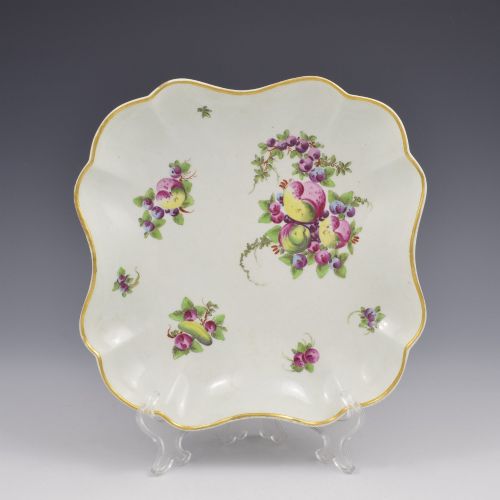
Makers and decorators left distinct signatures on many items, connecting pieces directly to known studio artists. Forms vary from traditional round plates to rope edge designs, boat-shaped bowls, and square lobed dessert dishes.
Materials and Techniques
Items utilise porcelain and bone china as the primary base materials, including soft-paste porcelain on eighteenth-century examples. Artisans applied enamel paint by hand to create realistic fruit depictions across plates, bowls, and dishes.
Gold leaf and extensive gilding frame the painted motifs, often highlighting shaped edges such as rope patterns or gadroon borders. Firing techniques fixed the detailed enamel pigments and metallic leaf securely to the ceramic body.
Listings feature porcelain and bone china forms ranging from eighteenth-century soft-paste dishes to twentieth-century Edwardian and Art Deco cabinet plates.
Assessing Quality and Execution
The sophistication of the painted fruit study determines the artistic standing of each item, with master painters achieving notable depth and texture. The density and precision of the surrounding gilding also dictate the tier of execution.
The prominence of the decorator signature adds distinction, as signed works by celebrated painters carry documented provenance. Additionally, the complexity of the ceramic form, from simple plates to shaped baskets and handled dishes, influences the overall character.
Royal Worcester·Flight Barr And Barr
The Worcester Painted Fruit Dish Glossary
- Cabinet plate
- A decorative display plate intended for visual appreciation rather than functional dining use. These items typically feature elaborate hand-painted scenes and rich gilding.
- Soft-paste porcelain
- An early ceramic composition fired at lower temperatures than hard-paste porcelain, common in eighteenth-century pieces. It provides a warm background tone for painted enamel details.
- Gilding
- The application of gold leaf or gilt to ceramic surfaces to highlight rims and edges. This technique frames the central fruit painting with metallic brilliance.
- Comport
- A raised serving dish or pedestal bowl utilised for presenting fruit or dessert courses. These forms elevate the painted decoration above the table surface.
- Bon bon dish
- A small decorative vessel designed for holding sweets or small confections. They often incorporate shaped edges like rope or star patterns.
Worcester Painted Fruit Dish: Frequently Asked Questions
How do I identify a signed piece?
Look closely near the painted fruit grouping for artist initials or a full handwritten surname. Signatures by notable decorators often appear directly on the glazed surface.
Compare these markings against known factory signatures to confirm the individual responsible for the artwork.
What periods do these pieces cover?
The available selection spans from eighteenth-century First Period porcelain up through Regency baskets and twentieth-century cabinet plates. Edwardian and later Victorian eras are particularly well represented.
Each period exhibits distinct paste compositions, gilding styles, and edge treatments that reflect contemporary tastes.
How were these dishes used originally?
Many items served practical roles during formal dining for dessert courses, sweetmeats, or sugar service. Dessert dishes and comports held fruit at the conclusion of a meal.
Other formats, such as cabinet plates, were created specifically for display within enclosed cabinetry or on walls.
How should I care for painted porcelain?
Wash painted and gilded surfaces gently by hand using mild soap and lukewarm water. Avoid harsh scrubbing or abrasive sponges that might damage the delicate enamel and gold leaf.
Keep pieces away from direct sunlight and extreme temperature shifts to preserve the integrity of the glaze.