


Bronze Decorative Plate
A bronze decorative plate brings heavy metal craft and global styles into a room, spanning Japanese cloisonne, Grand Tour classicism and Chinese export work.
Bronze Decorative Plate
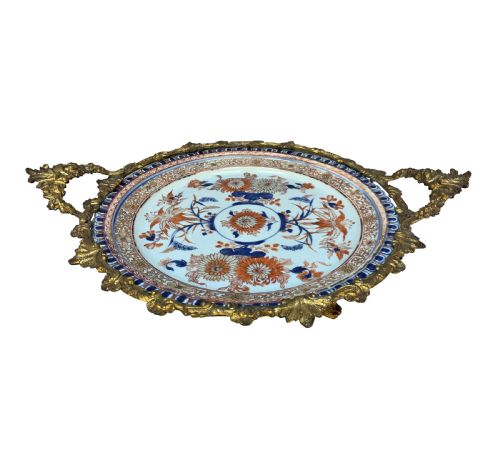
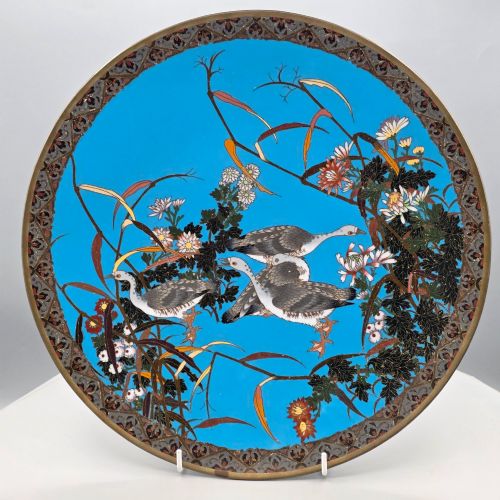
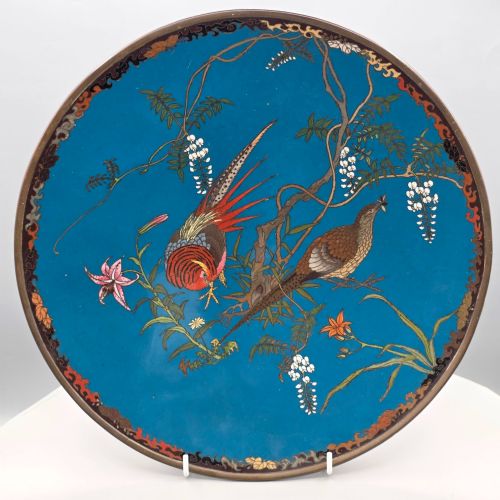
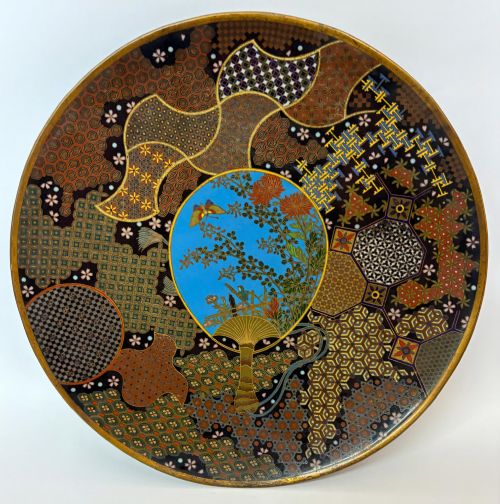
A bronze decorative plate, often termed a charger, platter or dish, functions primarily as a wall-hanging or table centrepiece rather than tableware. These items range from large Japanese Meiji period cloisonne examples decorated with dragons, koi and chrysanthemums to European Grand Tour classical pieces and Neo-Classical platters.
The selections span the eighteenth, nineteenth and early twentieth centuries, encompassing diverse aesthetic movements such as French Rococo, Egyptian Revival, Arts and Crafts, and Chinese export pieces. Buyers frequently encounter heavy cast bronze items alongside mixed-metal dishes and copper-warmer centrepieces.
Forms vary from deep circular chargers measuring up to forty centimetres to smaller plates mounted with ormolu or inlaid with silver and copper. Each object reflects the distinct decorative ambitions of its period, whether through avian motifs, auspicious symbols or architectural styling.
How they were made
Makerly execution relies heavily on the casting, beating and shaping of bronze, brass and copper, often augmented by surface plating in silver and ormolu. Artisans also utilised intricate wirework to form cells for cloisonne enamel, fusing powdered glass pastes to metallic bases under intense heat.
Inlay techniques bring contrasting metals together, as seen in Cairo Ware where silver and copper are hammered directly into a bronze ground. Surface finishing involves hand-polishing, patination and chasing to accentuate motifs like foliage, pomegranates and classical figures.
Materials span cast bronze, brass, copper, silver plate, ormolu, porcelain and cloisonne enamel, often combined in mixed-metal dishes.
What varies in quality
Distinctions in quality arise from the precision of the metalwork and the complexity of surface decoration, such as fine wire alignment in cloisonne enamel and the crispness of chased details. Masterpieces demonstrate disciplined execution in complex pictorial scenes depicting birds, frogs and leaping koi.
Materials and weight also dictate tier, with heavier cast bronze bodies, substantial silver plating and intricate mixed-metal inlays distinguishing superior specimens from simpler brass or copper pressings.
Faulkner Bronze Company·Kinkozan
The Bronze Decorative Plate Glossary
- Cloisonne Enamel
- A metalwork technique where fine wires are soldered to a bronze or copper base to form compartments filled with vitreous enamel paste. This method creates vibrant, multi-coloured pictorial designs across chargers and plates.
- Charger
- A large decorative plate or platter traditionally used for display rather than dining. These substantial pieces often feature elaborate pictorial or floral motifs.
- Ormolu
- Gilded bronze ornamentation applied to mounts or decorative objects. It provides a bright golden contrast against dark patinated bronze.
- Grand Tour
- A nineteenth-century tradition of travelling through Europe to collect classical antiquities and souvenirs. Pieces from this context often display neoclassical motifs.
- Cairo Ware
- Metalware featuring silver and copper inlay upon a bronze or brass substrate. Originating in Egypt, it gained popularity in the nineteenth century for its intricate geometric and calligraphic patterns.
Bronze Decorative Plate: Frequently Asked Questions
How were bronze decorative plates used?
These items served primarily as ornamental display pieces on tables, sideboards or walls rather than for serving food. Large chargers and platters anchored room aesthetics through elaborate pictorial or classical subjects.
Heavier examples also functioned as centrepieces or architectural elements, bringing metallic weight and detailed iconography into nineteenth-century interiors.
What is the difference between a plate and a charger?
A charger is substantially larger than a standard plate, typically designed to dominate a wall or centrepiece display. Their broad surfaces allowed artisans more space for complex scenes.
Plates and dishes in this category can be smaller or deeper, sometimes incorporating handles, warmer sections or specialised mounts.
How do I identify Meiji period cloisonne?
Meiji period Japanese pieces display exceptional technical mastery in enamel work, often featuring naturalistic subjects like geese, chrysanthemums, dragons and koi. The wires are remarkably fine and uniform.
Many of these chargers and plates bear signatures from renowned workshops and makers active during the late nineteenth and early twentieth centuries.
What is Cairo Ware?
Cairo Ware refers to nineteenth-century metalwork characterised by contrasting silver and copper inlay hammered into a darker bronze or brass body. These pieces reflect Middle Eastern design traditions.
They appear as heavy chargers and vessels produced to satisfy European demand for exotic, decorative objects during the Victorian era.