


Bronze Charger Platter
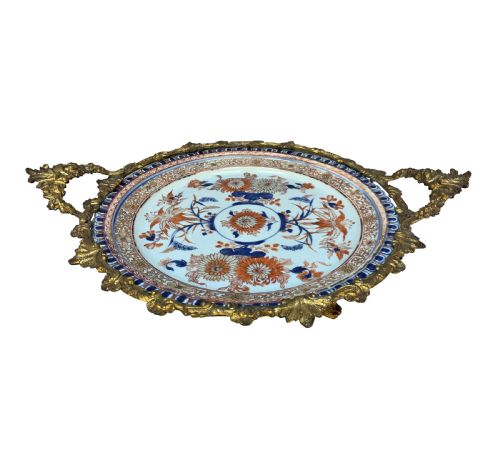
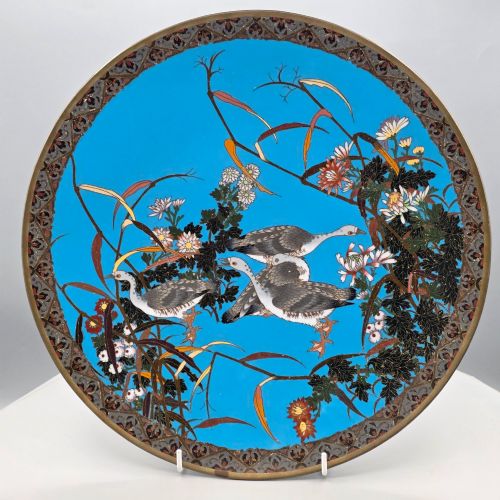
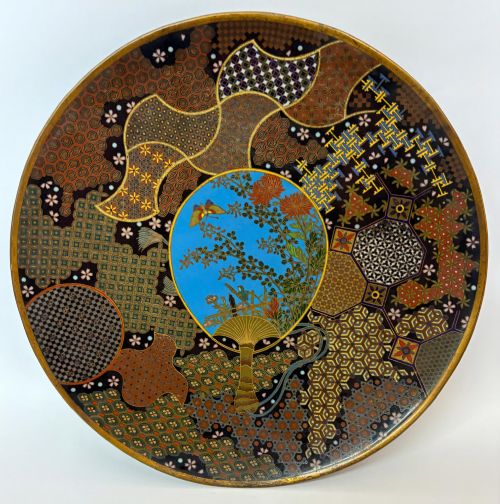
These bronze charger platters span grand nineteenth-century revivals and intricate Japanese cloisonne work, offering striking focal points for display.
Bronze Charger Platter
A bronze charger platter serves primarily as a decorative wall plaque, centrepiece or display dish rather than for domestic dining. When you search for bronze charger platter, you encounter large decorative dishes spanning the eighteenth and nineteenth centuries.
The selections here lean heavily toward Japanese Meiji period cloisonne enamel chargers alongside European neoclassical and revival pieces. Makers utilised diverse influences, ranging from Grand Tour classical motifs to Egyptian Cairo Ware designs.
Materials and construction methods
Many Asian examples employ copper or porcelain bases decorated with cloisonne enamel wirework depicting birds, dragons and flora. European pieces utilise cast bronze, brass and copper, frequently enhanced with silver plating, ormolu mounts and repousse relief work.
Techniques combine heavy casting with meticulous hand-finishing, chasing and inlay. Artisans hammered metal into high relief or applied intricate surface plating to achieve rich textural contrast.
One remarkably hefty four-kilogram bronze centrepiece demands absolute trust from your sideboard.
Assessing quality and craftsmanship
Quality rests in the crispness of the casting, the depth of the repousse work and the precision of enamel cells on cloisonne pieces. Finer platters display intricate detailing, signed artist work and balanced compositions without crude surface seams.
Weight and structural integrity distinguish superior heavy chargers from lighter decorative plates. The refinement of secondary metals, such as silver plating or ormolu mounts, separates standard production from exceptional studio output.
Faulkner Bronze Company·Kinkozan
The Bronze Charger Platter Glossary
- Charger
- A large ornamental plate or platter designed for display on tables, sideboards or walls rather than for serving food. These pieces often feature elaborate surface decoration.
- Cloisonne
- An ancient technique where metal wire is soldered to a metal base to create compartments, which are then filled with coloured enamel paste and fired. This method produces intricate pictorial designs.
- Repousse
- A metalworking method in which the metal is hammered from the reverse side to form a raised design in relief. Details are subsequently refined from the front.
- Ormolu
- Gilded bronze applications used as decorative mounts on furniture, ceramics or metalware during the eighteenth and nineteenth centuries. The process involves applying a gold-mercury amalgam to bronze.
- Totai Shippo
- A Japanese technique involving cloisonne enamel applied directly over a porcelain or pottery core rather than a metal base. This style creates distinctive textured surfaces resembling natural materials.
Bronze Charger Platter: Frequently Asked Questions
How do I hang a bronze charger platter safely?
Large decorative platters require sturdy, adjustable brass wall hangers designed to grip the rim securely without scratching the metal or enamel.
Ensure the fixing is anchored directly into a wall stud or uses appropriate wall plugs given the considerable weight of bronze and cast metal pieces.
How should I clean antique bronze and cloisonne?
Dust these decorative pieces gently with a soft, dry microfiber cloth to prevent accumulation in recessed areas and enamel cells.
Avoid chemical polishes, abrasive cloths or water, particularly on antique silver plating and delicate cloisonne enamel work where moisture causes damage.
How do I date a nineteenth-century bronze platter?
Examine the casting quality, patination, mounting styles and any maker signatures or artist marks on the reverse.
Stylistic cues such as Neoclassical revival motifs or Meiji period Japanese symbols provide strong chronological indicators alongside technological evidence like plating methods.