


Grand Tour Plaque
A grand tour plaque brings classical antiquity and Italian craftsmanship into the home through carved marble, micromosaic, and pietra dura souvenirs.
Grand Tour Plaque
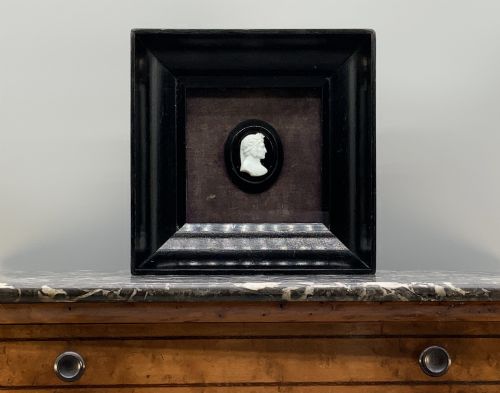
When you search for a grand tour plaque, you encounter objects created as souvenirs for travellers journeying through Europe and Italy during the eighteenth and nineteenth centuries. These pieces reflect classical subjects, including Roman emperors, mythological scenes, and famous architectural monuments.
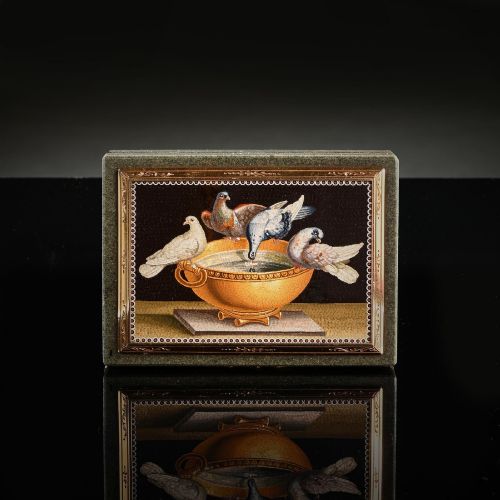
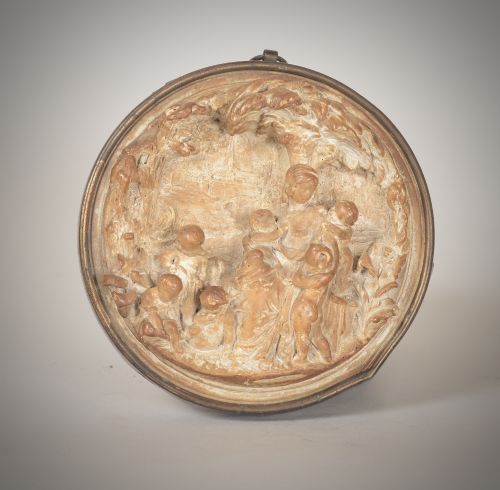
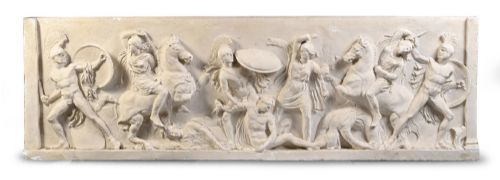
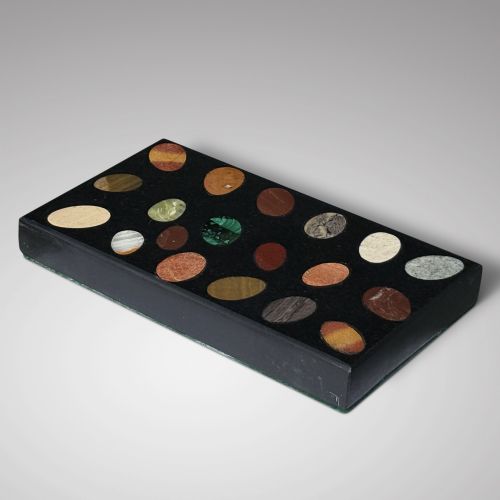
The versions most frequently found on this page include carved marble bas-reliefs, micromosaic tablets, and pietra dura panels mounted in frames or set into paperweights. They capture the enduring fascination with antiquity that defined elite European travel during the Victorian era and earlier periods.
Materials and Techniques
Carved pieces utilise native Italian stones, white marble, Sienna marble, and alabaster, shaped to create sharp profile portraits and architectural reliefs. Workshops employed skilled chiselling and polishing to echo ancient sculptures.
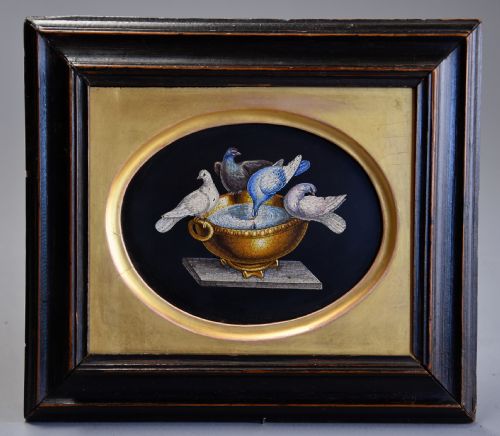
Micromosaic and pietra dura works rely on precision assembly, fusing tiny glass tesserae or precisely cut specimen marbles into geometric and pictorial compositions. These panels are often mounted in brass, ebonised wood, or gilt frames to form plaques and decorative desk pieces.
Travellers returning from Rome proudly displayed tiny glass doves and marble emperors on their desks to prove they survived the carriage ride.
Assessing Quality and Execution
Quality in these pieces rests upon the precision of the carving and the fineness of the mosaic tesserae. Superior examples display sharp facial expressions, accurate classical proportions, and careful selection of natural stone colours.
The distinction between standard souvenirs and exceptional works also lies in the complexity of the composition and the quality of the mounting. Finely integrated brass frames and complex multi-stone pietra dura work elevate the piece.
Gioacchino Barberi·Thorvalsen Workshop
The Grand Tour Plaque Glossary
- Pietra dura
- An artistic technique using cut and fitted polished coloured stones to create geometric or pictorial images. This method appears frequently in Italian marble panels and paperweights.
- Micromosaic
- A decorative medium composed of tiny glass threads fused together to form detailed miniature pictures. These insets often depict famous Roman ruins or doves.
- Bas-relief
- A sculptural relief in which the figures project only slightly from the background plane. It is the predominant technique seen on marble and plaster portrait plaques.
- Specimen marble
- Various decorative marbles collected from different quarries and assembled into a single decorative surface. Desk pieces and paperweights often showcase these varied mineral colours.
Grand Tour Plaque: Frequently Asked Questions
How were these plaques displayed?
Many of these pieces were designed to hang on walls as framed art or relief panels. Others were manufactured as heavier desk accessories, such as specimen marble paperweights and comports.
Their varied formats allowed nineteenth-century travellers to transport delicate works of art safely home. Today, they function well as decorative wall art or curated desk displays.
How do I tell marble types apart?
Examining the colour, veining, and weight helps distinguish between white marble, Sienna marble, and Derbyshire Ashford marble. Italian works often utilise specific regional stones characteristic of local workshops.
Consulting historical styles and decorative techniques provides further context for identifying the origin of the stone. Each material reflects the geological variety available to nineteenth-century artisans.
Are these pieces fragile?
These items require careful handling due to the delicate nature of carved stone, plaster, and glass tesserae. Micromosaics and thin marble reliefs are particularly susceptible to impact damage.
Displaying them away from direct sunlight and temperature fluctuations preserves their structural integrity. Gentle dusting with a dry cloth is sufficient for routine maintenance.