




Bronze Wall Plaque
A bronze wall plaque brings depth and historic character to an interior, spanning portraiture, heraldry and classical relief.
Bronze Wall Plaque
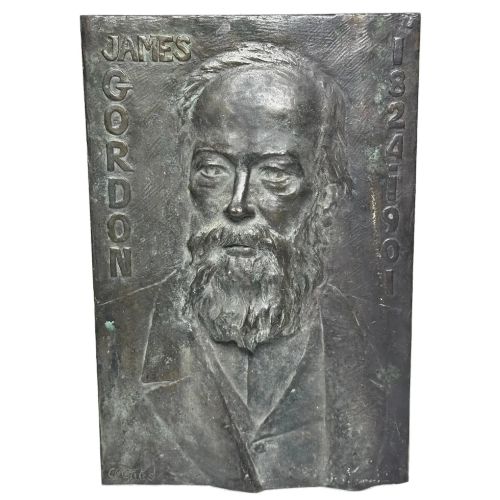
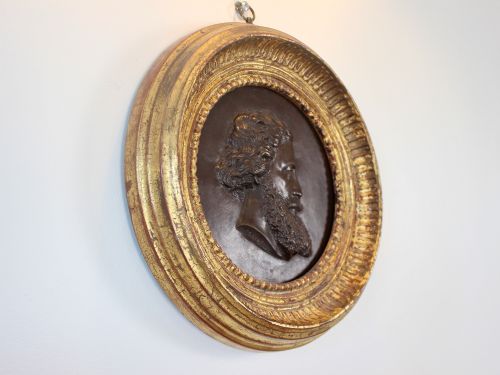
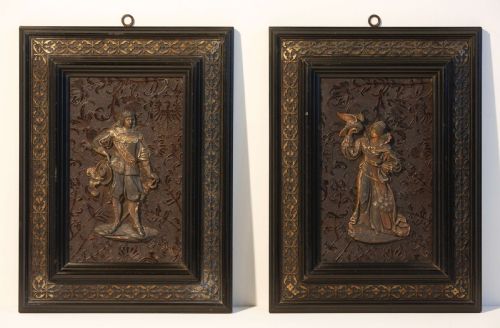
A bronze wall plaque encompasses cast or repoussé metal panels, decorative chargers and sculptural reliefs designed for interior display. When searching for this phrase, collectors encounter pieces ranging from Victorian portrait medallions and classical revivals to Arts and Crafts copper work and naval ship badges.
The selection on this page leans heavily toward nineteenth-century European and Japanese works, encompassing Neoclassical subjects, commemorative royal plaques and heraldic crests. These items function as focal points in a room, combining metallic weight with narrative or portrait detail.
How They Were Made
Artisans employed traditional foundry casting, hammering and repoussé techniques to shape bronze, copper, brass and white metal into high or low relief. Many surfaces received chemical patination, gilding or enamel infill to enhance contrast and highlight fine chased details.
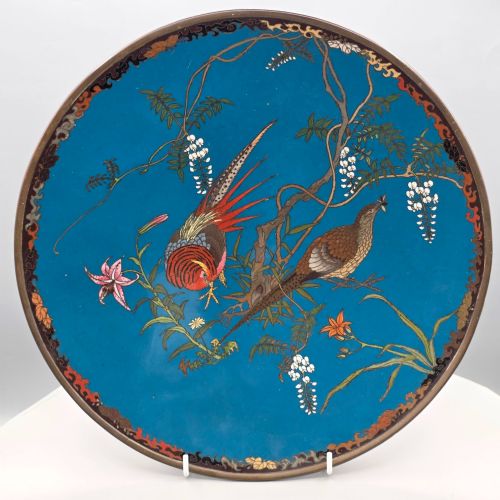
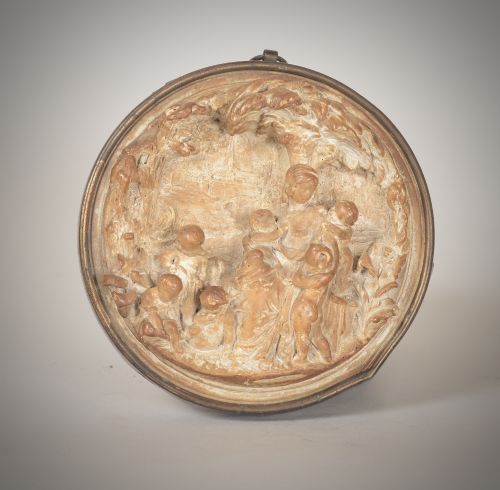
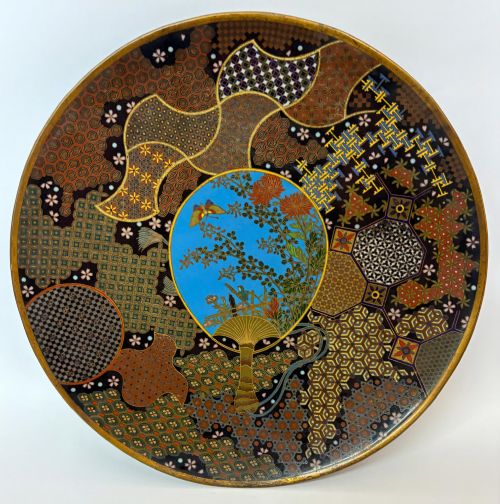
Enamelled cloisonne pieces incorporate thin metal wires soldered to a metal or porcelain base to create cellular compartments filled with coloured glass pastes. Plaster and terracotta alternatives utilise moulded earth or gypsum, sometimes given a metallic bronze coating to mimic solid metal casting.
Bronze Wall Plaque Retail Price Guide 2026
Typical asking prices for bronze wall plaque among the pieces listed under this phrase on Sellingantiques today, from the lower quarter to the upper quarter. They describe what is for sale here now, not the wider market.
The listings on this site span the eighteenth, nineteenth and twentieth centuries, incorporating materials from solid bronze and copper to terracotta and plaster.
What Varies in Quality
Quality rests upon the crispness of the casting and the sensitivity of the hand-chasing applied after the metal left the mould. Superior examples display sharp definition in hair, drapery and facial expressions, whereas lesser items suffer from softened details and blurred edges.
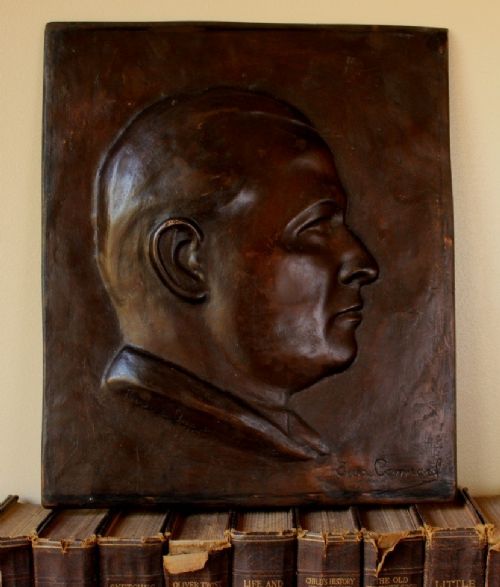
The depth of the relief and the integrity of the original patina dictate the visual impact of the piece. Masterpieces often bear clear artist signatures, foundry marks or exhibition credentials that distinguish them from unsigned commercial foundry output.
Eugene Canneel·Ernst Wahliss·Smith Beck and Beck·Gustav Grohe·Faulkner Bronze Company
The Bronze Wall Plaque Glossary
- Repoussé
- A metalworking technique where the artisan hammers the metal from the reverse side to form a raised design in relief. This method allows for fluid, expressive contours on wall plaques and chargers.
- Cloisonne
- An ancient decorative art for creating metalwork objects, utilising thin metal wires to form compartments that hold enamel paste. Kiln-firing vitrifies the enamel into vibrant, durable coloured sections.
- Patina
- The surface sheen and coloration acquired by metal through age, handling or chemical treatment. Collectors value stable, authentic patination for its historical depth.
- Grand Tour
- The nineteenth-century practice of cultural travel through Europe by young nobility, generating a market for portable art like classical plaster reliefs and bronze plaques. These souvenirs often replicated famous antiquities.
- Heraldic
- Pertaining to coats of arms, crests and genealogy. Heraldic wall plaques display specific familial or institutional lineages cast in metal.
Bronze Wall Plaque: Frequently Asked Questions
How do I hang a heavy bronze wall plaque?
Heavy metal pieces require secure wall anchors and appropriate load-bearing screws fixed directly into wall studs or masonry. Avoid relying solely on decorative picture wire unless the piece includes robust integrated mounting brackets.
Ensure the weight distribution is balanced across the fixing points to protect both the wall surface and the antique frame or plaque.
How should I clean an antique bronze plaque?
Dust the surface gently with a soft, dry brush to remove particulate matter without disturbing the aged metallic skin. Avoid aggressive commercial metal polishes, which strip away historical patination and diminish collector value.
Consult a conservator if the piece requires deeper intervention to address active corrosion or structural instability.
How can I tell the period of a metal plaque?
Examine the fastening hardware, casting seams, signature styles and the chemical characteristics of the metal patination. Stylistic clues such as Victorian Gothic revival motifs, Art Nouveau botanical lines or Meiji period Japanese iconography also anchor the piece in its era of production.
Compare the maker's mark or foundry stamp against historical trade records to narrow down the decade of manufacture.
Were these plaques meant for indoor use?
Most antique decorative metal plaques and sculptural reliefs were designed specifically for interior display in libraries, studies and formal reception rooms. Exposure to outdoor elements can accelerate oxidation and ruin delicate enamelled or gilded surfaces.
Keeping them away from direct moisture preserves the integrity of the metal and any secondary materials like wood or plaster.