


Antique Bas Relief
An antique bas relief brings sculptural depth to a room, presenting figures raised from a flat background in bronze, plaster, marble, or wood.
Antique Bas Relief
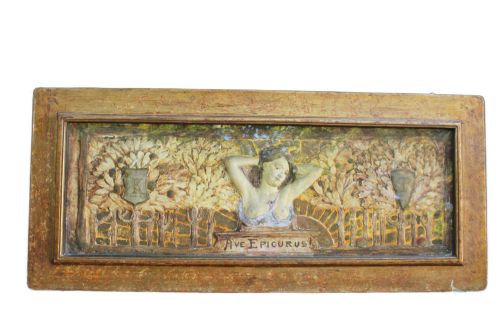
When searching for an antique bas relief, a buyer encounters wall plaques, framed panels, and sculptural roundels originating from the eighteenth, nineteenth, and early twentieth centuries. These objects range from neoclassical portraits to religious scenes and classical souvenir carvings.
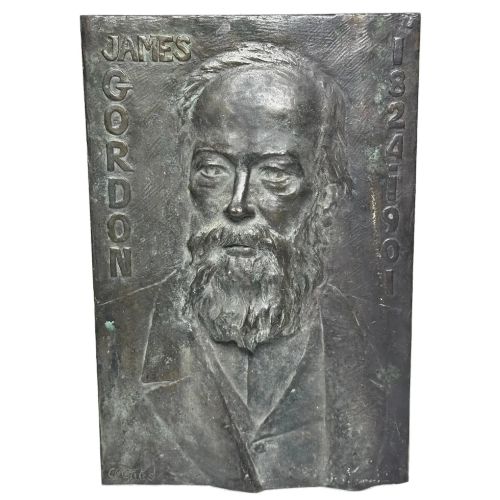
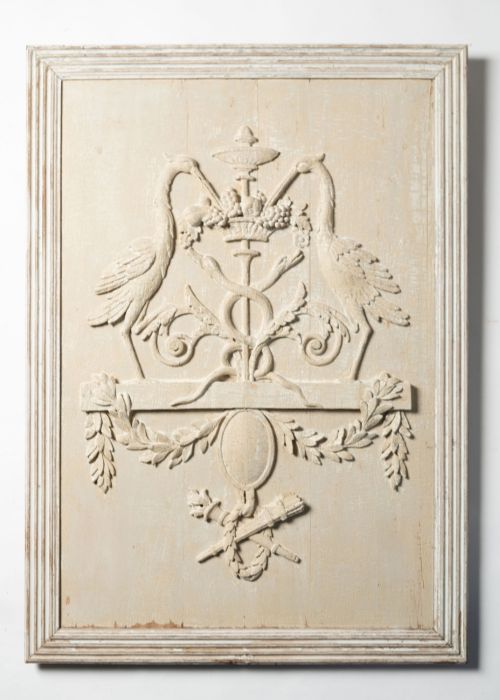
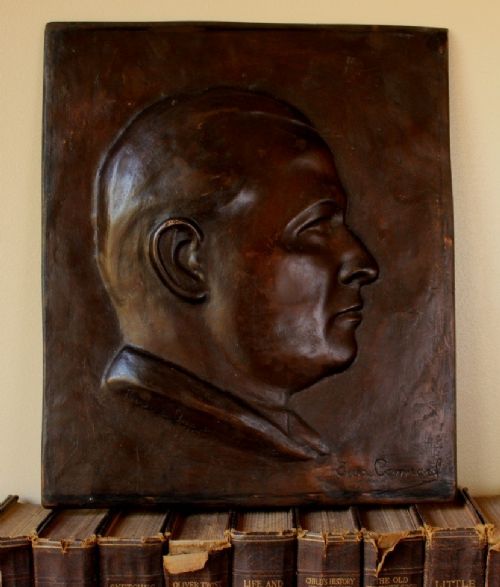
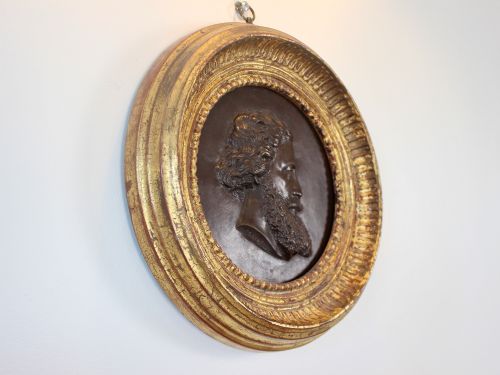
The most frequent versions on this page include bronze portrait plaques, framed plaster casts, carved wooden panels, and Wedgwood jasperware cameos. These pieces typically take circular or rectangular forms designed for hanging on interior walls or mounting within cabinetry.
Materials and construction methods
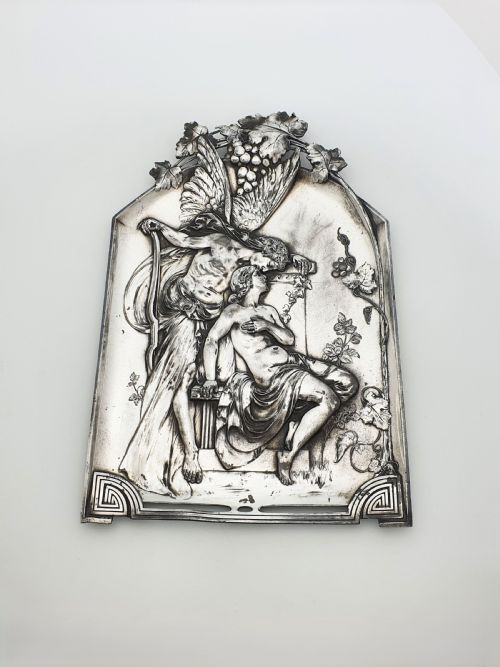
Metal pieces rely on casting techniques, utilising bronze, copper, and silver plating over base metals to achieve durable sculptural surfaces. Plaster and terracotta versions employ moulds taken from classical or Renaissance originals, sometimes finished with patination to simulate aged metal or stone.
Carved items utilise dense hardwoods such as oak and walnut, alongside marble and gesso, shaped with hand chisels and gouges. Ceramic elements like jasperware combine stoneware bodies with applied white relief details fired in kilns.
One nineteenth century bronze relief depicts Diana the huntress, proving that even classical deities occasionally needed a day out in the woods.
Distinctions in quality
Materials and signatures also separate tiers of work. Signed pieces by recorded sculptors or established potteries command greater interest, as do finely patinated bronzes and hand-carved marbles compared against mass-produced plaster copies.
Eugene Canneel·Mainfroy·Pietro Bracci·Wedgwood·J Lavergne·Gian Federigo Bonzagna·Kasper Hendrik Roskam·Donatello
The Antique Bas Relief Glossary
- Bas-relief
- Low relief sculpture where the figures project only slightly from the flat background plane. This technique creates a subtle sense of depth without full three-dimensional form.
- Jasperware
- A fine-grained stoneware developed by Wedgwood, typically featuring a coloured matte body with contrasting white moulded neoclassical relief figures applied to the surface.
- Intaglio
- A design carved into the material so that the impression sits below the surface, contrasting with relief work where the subject projects outward.
- Patina
- The surface sheen and colour acquired by materials like bronze, wood, and marble through age, handling, and oxidation.
- Grand Tour
- A traditional travel itinerary undertaken by European elites in the eighteenth and nineteenth centuries, yielding souvenir plaques and cameos purchased abroad.
Antique Bas Relief: Frequently Asked Questions
How do I hang a heavy bronze or marble plaque?
Heavy plaques require secure wall anchors and appropriate load-bearing brackets screwed directly into wall studs or masonry. Avoid relying solely on picture wire for dense bronze, marble, or carved wood panels.
Ensure the mounting hardware matches the weight distribution of the specific frame or backing board to prevent accidental slips or structural strain over time.
Can I clean plaster and terracotta wall reliefs?
Dust plaster and terracotta gently with a dry, soft-bristled brush or a clean microfibre cloth. Avoid using water or liquid cleaning solutions on unsealed plaster, as moisture dissolves the material.
Terracotta tolerates very slightly damp cloths only if unglazed and sealed, but dry maintenance remains the safest approach for antique porous surfaces.
How do I identify Grand Tour souvenirs?
Grand Tour souvenirs typically comprise eighteenth or nineteenth-century carved marble cameos, plaster intaglios, or small bronzes depicting classical Roman emperors, architectural ruins, or mythological scenes. These items often appear in fitted sets or framed collections.
Their subjects reflect the classical education and travels of European collectors who visited Italy during that era.