



Nineteenth Century Plaque
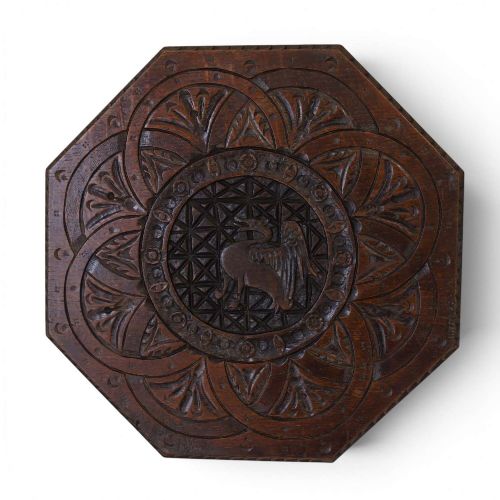
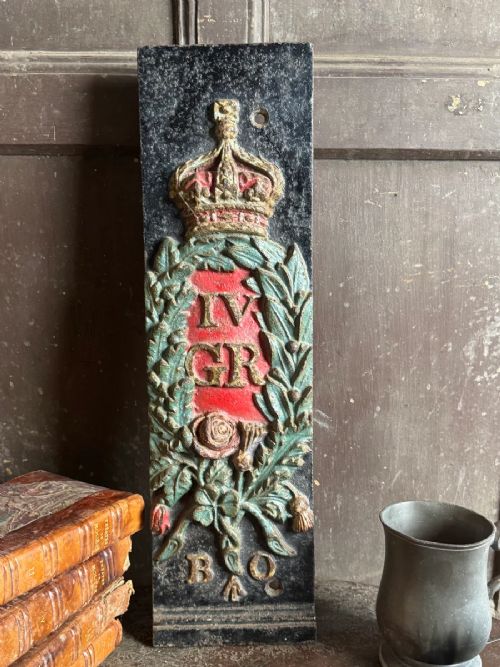
A nineteenth century plaque brings painted porcelain, cast metal, and carved wood into an interior as a concentrated focal point.
Nineteenth Century Plaque
A nineteenth century plaque encompasses decorated flat panels and mounted reliefs created across the 19th Century, Victorian, and Georgian eras. Collectors hunt for these works to bring period portraiture, classical mythology, and religious iconography onto wall displays or integrated into furniture.
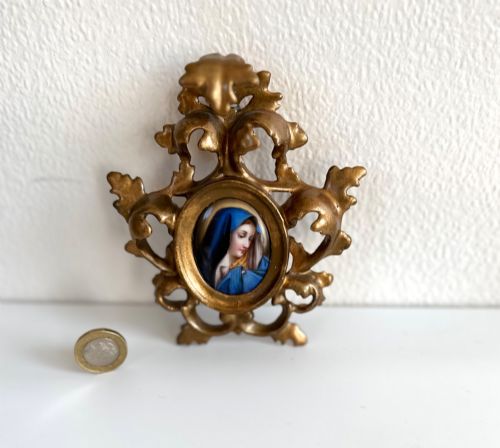
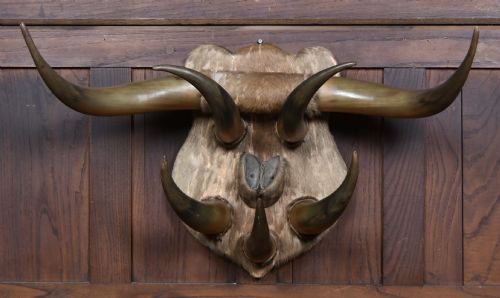
The objects appearing on this page span porcelain painted with historical scenes, cast bronze reliefs of figures, and carved wood panels depicting hunting scenes or architectural subjects. Many items originate from European workshops, including English potteries, French porcelain houses, and Italian schools.
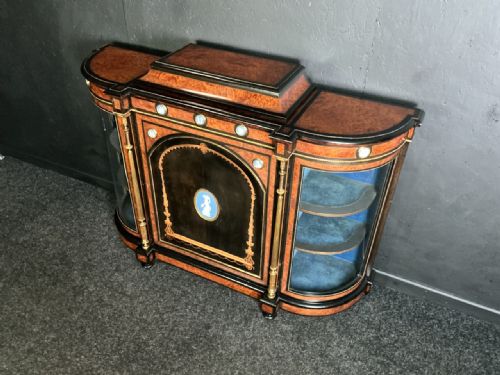
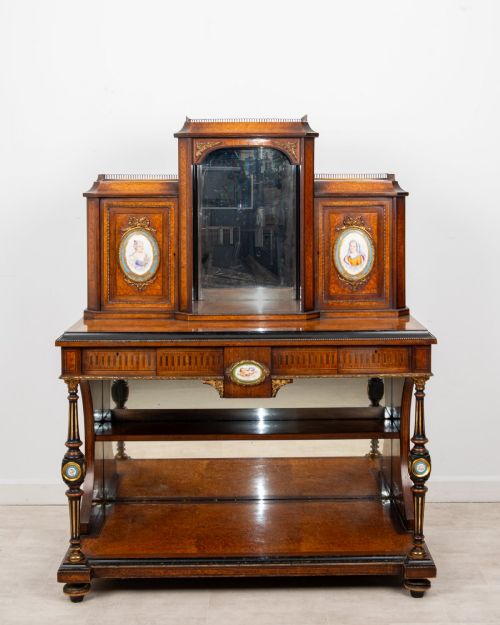
Buyers also encounter pieces that serve a dual purpose, such as decorative chargers, framed book covers, and porcelain plaques mounted into burr walnut or ebonised wood cabinetry.
Materials and Techniques
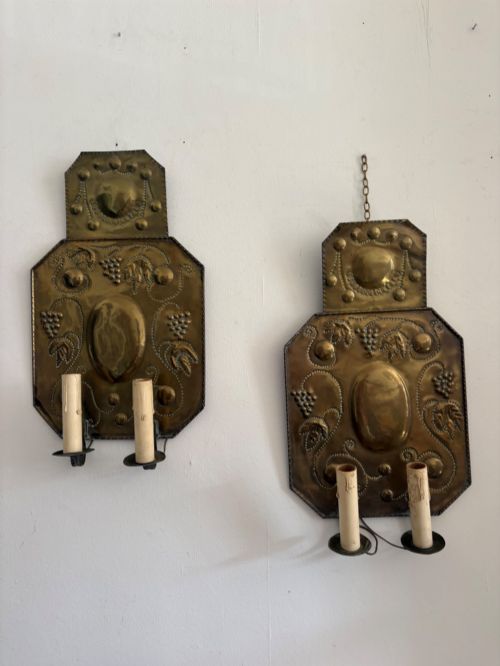
Porcelain serves as a primary canvas, painted with detailed pigments and fired to achieve lasting gloss across portrait and narrative subjects. Metalworking techniques yield cast bronze, repousse brass, and painted cast iron reliefs that capture sharp contours and sculptural depth.
Listings feature items from the Georgian, Victorian, and late nineteenth century periods, utilising porcelain, ormolu, and bronze.
Evaluating Quality
Quality rests upon the precision of the hand painting or carving, where controlled brushwork and deep sculptural relief separate masterworks from simpler production pieces. The finesse of the surrounding mount, whether or notmolu, brass, or carved wood, indicates the original tier of commissioning.
Signatures from established factories or named artists elevate the standing of a piece, aligning with documented output from major ceramic and bronze foundries of the period.
Van Genden·William Yale·Icilio Federico Joni·Lamb of Manchester·J Lavergne
The Nineteenth Century Plaque Glossary
- Maiolica
- Tin-glazed Italian earthenware painted with historical, classical, or religious scenes in vibrant polychrome colours.
- Ormolu
- Gilded bronze mounts cast and chased to frame or accent furniture and porcelain plaques.
- Repousse
- Metalwork shaped by hammering from the reverse side to form raised decorative patterns on the front.
- Tavolette
- Painted wooden book cover bindings, historically used in administrative records and decorative objects in Siena.
- Cloisonne
- Enamel work where coloured glass pastes are separated by thin metal wires soldered to a metal base.
- Charger
- A large decorative plate intended for display on a wall or sideboard rather than practical dining use.
Nineteenth Century Plaque: Frequently Asked Questions
How were nineteenth century plaques displayed originally?
Many wall plaques and decorative chargers featured integrated hanging loops or stood mounted within specialised wooden cabinetry. Owners also placed them centrally upon sideboards or incorporated them directly into the surface of writing desks and credenzas.
Today, collectors hang wall plaques at eye level or place framed porcelain panels within dedicated display cabinets to protect them from accidental damage.
What subjects appear on these plaques?
Common themes include classical historical scenes, religious iconography, and detailed portraits of literary figures or royalty. Artists also drew inspiration from hunting scenes, architectural motifs, and picturesque landscapes.
These narratives often reflect the historicism and revival styles popular throughout the Victorian era.
How do I distinguish between porcelain and enamel plaques?
Porcelain plaques consist of fired ceramic material, often showing a glossy glaze and fine overglaze enamel painting that requires high-temperature kilns. Enamel plaques typically fuse glass powder onto a metal substrate, such as copper or bronze, producing a bright, vitrified surface.
Examining the reverse side often reveals the white ceramic body of porcelain or the bare metal base of an enamel piece.
Are these plaques signed by artists?
Some pieces bear artist signatures, factory marks, or registration numbers painted onto the reverse or subtly incorporated into the composition. Prominent potteries and foundries frequently stamped their metalwork or ceramics with specific identifiers.
Unsigned pieces remain common, often originating from regional workshops or unrecorded studio hands of the period.