





Bronze Wall Art
Bronze wall art spans centuries of metalwork, bringing sculptural depth and historic character directly to interior spaces.
Bronze Wall Art
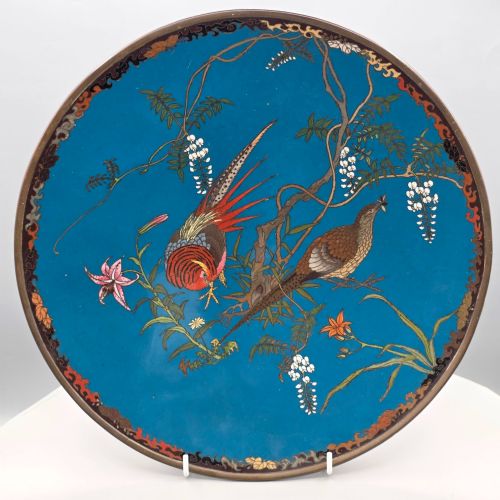
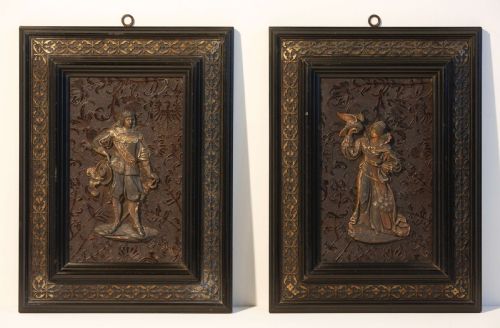
Bronze wall art encompasses a diverse array of sculptural objects designed for display, including relief plaques, decorative chargers, architectural elements, and lighting fixtures. Collectors frequently encounter 19th-century European castings alongside Japanese Meiji period metalwork and cloisonne plates.
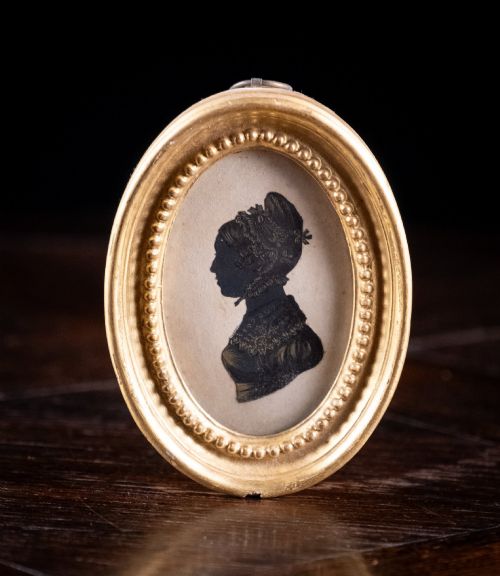
The category extends from classical portrait medallions and religious icons to French Art Nouveau sconces and Art Deco decorative panels. Domestic interiors benefit from functional pieces like wall-mounted hooks and timepieces alongside purely aesthetic sculptural plaques.
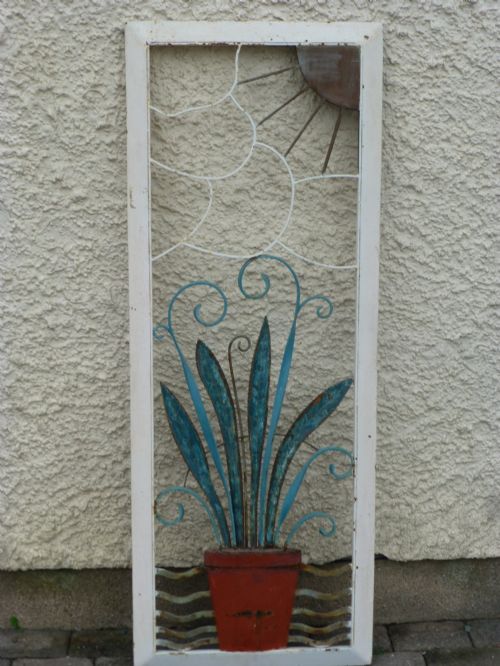
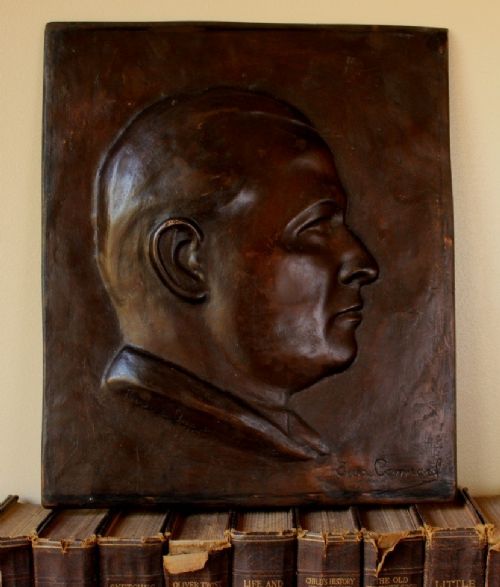
Origins stretch across Britain, France, Austria, Russia, and Japan, reflecting distinct regional tastes in metal casting and surface decoration. Pieces range from monumental cast iron and bronze portraits to delicate miniature painted panels mounted on wood.
Materials and Technique
Makers utilised traditional foundry methods, employing lost-wax casting and sand casting to achieve intricate detail in bronze, brass, and copper. Gilt bronze, orormolu, and bronzed finishes provided rich surface patination across French cartel clocks and decorative wall lights.
Complementary materials appear frequently in the construction, including ebonised wood, terracotta, glass, and enamel work. Japanese cloisonne pieces integrate fine wirework with vibrant enamel pastes fired onto metal bases, while other panels incorporate hand-painted details or silver overlays.
The listings demonstrate a strong representation of 19th century French gilt bronze cartel clocks alongside Japanese Meiji period cloisonne chargers.
Craftsmanship and Definition
Surface finish dictates distinction, with original patination and mercury gilding exhibiting depth that modern chemical treatments fail to replicate. The integration of secondary materials, such as fire-enamel or inset glass, reveals the maker's technical precision.
Eugene Canneel·Ernst Wahliss·Faulkner Bronze Company·Japy Freres·Samuel Marti·Raingo Freres·Eugene Hazart
The Bronze Wall Art Glossary
- Relief plaque
- A wall-mounted panel where the sculpted design projects from a flat background. These pieces range from classical portraits to allegorical scenes.
- Cloisonne
- An ancient metalworking technique using wire partitions to create compartments filled with enamel paste. Japanese chargers utilise this method to form intricate pictorial scenes.
- Cartel clock
- A wall clock housed within an ornate, scrollwork bronze or ormolu case. French makers produced these extensively during the 18th and 19th centuries.
- Ormolu
- Finely ground high-carat gold applied to a bronze base using a mercury amalgam. This decorative finish produces a rich, lasting golden sheen on antique mounts.
- Patina
- The surface sheen and coloration developed through age and handling. Natural oxidation enhances the visual depth of bronze metalwork.
Bronze Wall Art: Frequently Asked Questions
How do I hang heavy bronze plaques safely?
Heavy cast bronze and iron wall art requires direct anchoring into wall studs or the use of appropriate masonry fixings. The weight of the metal demands robust load-bearing brackets rather than standard picture wire.
Ensuring the fixing engages with the structural wall prevents accidental slippage over time. Padding the reverse corners protects the wall surface from abrasion.
What is the difference between bronze and brass wall pieces?
Bronze is an alloy primarily composed of copper and tin, offering a deeper, warmer tone and greater durability. Brass is an alloy of copper and zinc, typically displaying a brighter, more golden hue.
Historical pieces often utilised these metals interchangeably depending on the desired patination. Close inspection of the surface grain usually reveals the distinct metallic composition.
How should I clean antique bronze wall art?
Dusting with a dry, soft microfiber cloth removes surface particles without disturbing the underlying patina. Avoid harsh chemical cleaners or abrasive polishes that strip away historical surface oxidation.
Applying microcrystalline wax periodically helps protect the metal from atmospheric moisture. Professional conservation is recommended for pieces with delicate gilding or enamel.
Are wall sconces wired for modern electricity?
Antique wall lights and sconces often retain their original wiring or historical fittings. Many require professional rewiring to meet current safety standards before installation in a home.
Retaining original backplates and mounting arms preserves the integrity of the piece during conversion. Consultation with a qualified electrician ensures compatible voltage handling.