



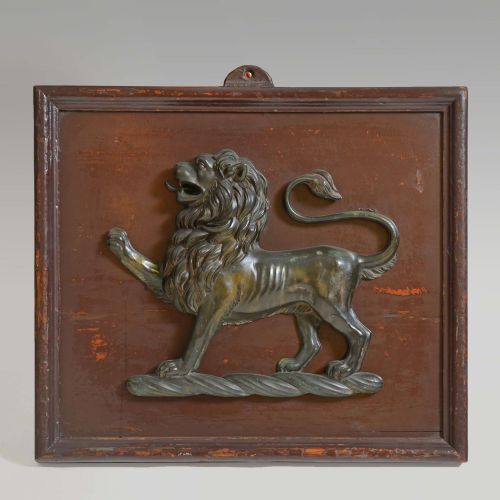


Dark Bronze Plaque
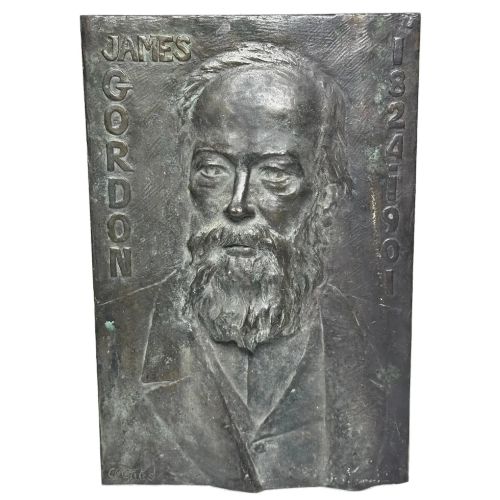
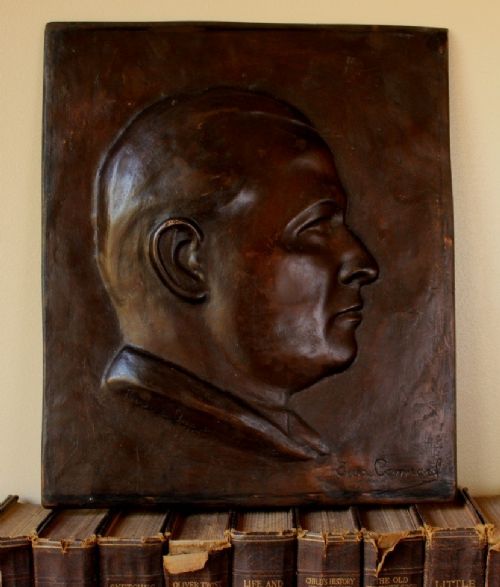
Dark bronze plaque pieces are cast metal reliefs and commemorative medals designed for wall display, prized for their rich patination and classical subject matter.
Dark Bronze Plaque
A dark bronze plaque is a low-relief cast metal artwork intended for mounting on walls, capturing portraiture, historical scenes, and classical motifs. When searching for this phrase, collectors encounter items ranging from nineteenth-century European portrait medallions to Edwardian and Victorian wall panels.
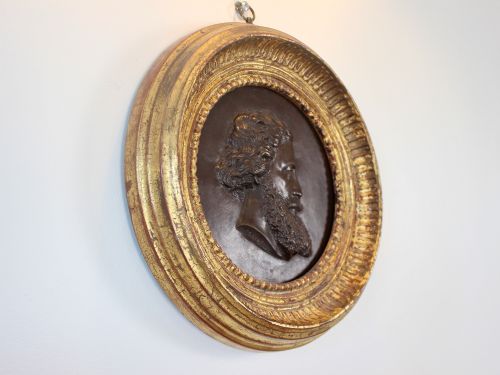
The selections span various forms including commemorative medals, heraldic crests, and figurative reliefs framed in wood, brass, or giltwood. Pieces draw upon neoclassical, Baroque revival, and Art Nouveau styles, reflecting the decorative tastes of the eighteenth through early twentieth centuries.
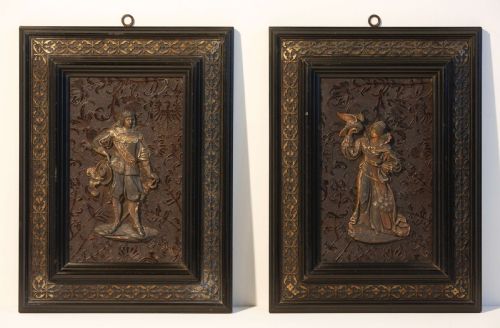
Originating across Britain, France, Austria, and Italy, these wall plaques frequently depict historical figures, literary icons such as Shakespeare and Charles Dickens, and mythological subjects. Collectors find both single mounted panels and matched pairs designed for symmetrical display.
How they were made
The primary material is patinated bronze, often supported by secondary components in wood, oak, brass, giltwood, terracotta, and white metal. Artisans utilised traditional casting techniques to achieve sharp detail in low relief, followed by hand-finishing and patination to secure deep, dark surface tones.
Makers frequently mounted cast bronze reliefs onto wooden panels or fitted them within brass frames for wall suspension. Surface treatments vary from polished highlights against darkened recesses to uniform dark patinas that emphasise the sculptural contours of the metal.
Listings feature works in bronze, patinated bronze, white metal, and terracotta from the eighteenth century through the Edwardian period.
What varies in quality
Quality in a dark bronze plaque is determined by the crispness of the casting and the depth of the relief modelling. Superior examples display fine facial expressions, legible inscriptions, and precise chasing that survives on hair, drapery, and background architecture.
The sophistication of the patination and the integrity of the mounting frame further distinguish finer works from standard production pieces. Signed works and items retaining original fitted wooden or brass surrounds command greater attention from discerning collectors.
Eugene Canneel·Ernst Wahliss·Coalbrookdale
The Dark Bronze Plaque Glossary
- Patinated bronze
- Bronze that has been chemically or naturally treated to produce a darkened, stable surface colour. This finish protects the metal and accentuates the sculptural relief.
- Relief
- A sculptural technique where figures project from a flat background surface. Low relief, or bas-relief, is standard for wall plaques.
- Medallion
- A circular or oval plaque, often commemorative, designed to resemble a large coin. These frequently feature portrait profiles.
- Grand Tour
- Souvenirs and artworks acquired by wealthy travellers in Europe during the eighteenth and nineteenth centuries. These items typically replicated classical sculptures and architectural sights.
- Chasing
- The manual refinement of a cast metal surface using hammers and punches. This technique sharpens details and removes casting imperfections.
Dark Bronze Plaque: Frequently Asked Questions
How were dark bronze plaque pieces displayed?
These items were primarily mounted on interior walls as decorative panels or displayed within specialised cabinets alongside other works of art. Many feature original wooden backings, brass frames, or suspension loops intended for domestic hanging.
Larger plaques and matched pairs were often arranged in formal reception rooms, libraries, or galleries to showcase the owner's cultural interests and classical tastes.
What subjects appear on these plaques?
Common subjects include historical figures, literary icons, classical muses, and religious scenes derived from Renaissance and Baroque compositions. Portrait profiles of statesmen, poets, and bearded gentlemen frequently occur alongside heraldic crests and architectural views.
Allegorical narratives, mythological putti, and satirical animal reliefs also appear, reflecting the diverse sculptural output of nineteenth-century European workshops.
How do I care for a bronze plaque?
Maintenance requires gentle dusting with a soft, dry cloth to prevent the accumulation of airborne grime. Avoid chemical cleaners, water, or abrasive polishes, which can strip the patinated surface and damage the underlying metal.
Keeping the piece in a stable environment away from excessive humidity and direct sunlight helps preserve the original dark patination and any associated wooden or brass framing.
How can I tell the period of a plaque?
Dating relies on stylistic clues, framing materials, inscriptions, and the specific casting characteristics of the metal. Nineteenth-century examples often display deep dark patination, classical revival motifs, and maker signatures or exhibition stamps.
Examining the reverse of the plaque reveals mounting techniques, screw types, and wood or plaster backing materials that help distinguish Victorian, Edwardian, and earlier productions.