


19th Century Bronze Relief
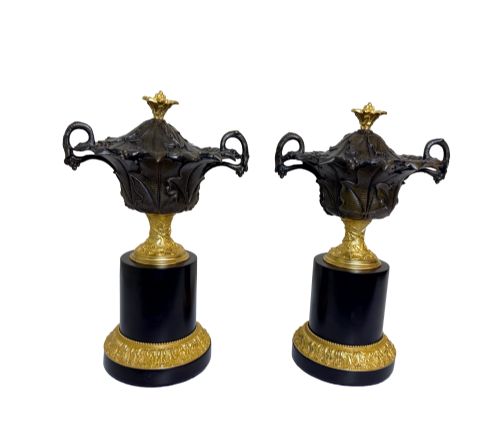
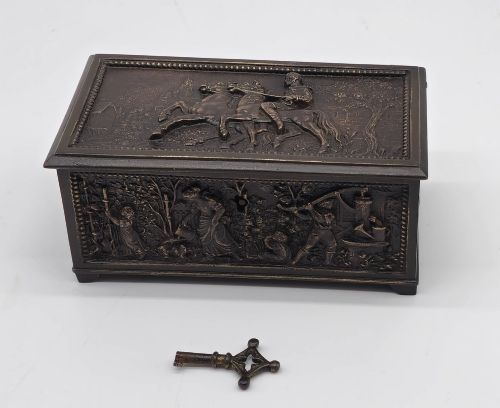
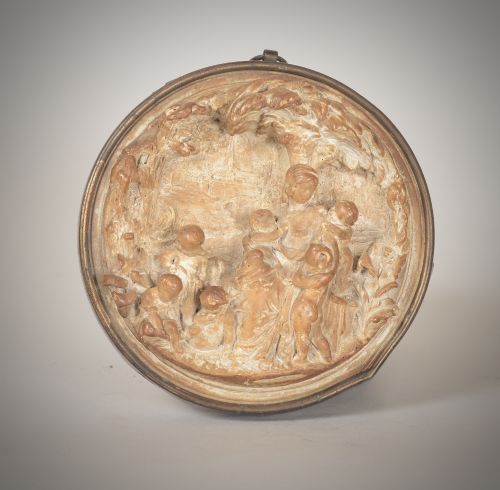
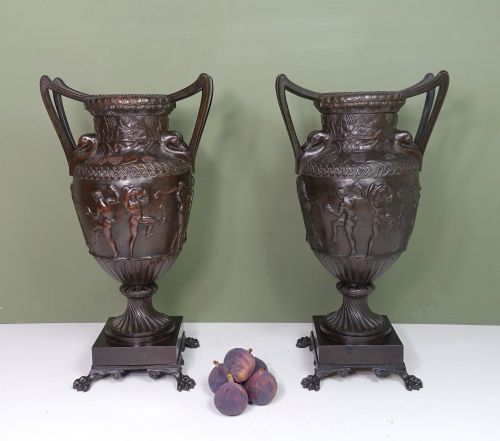
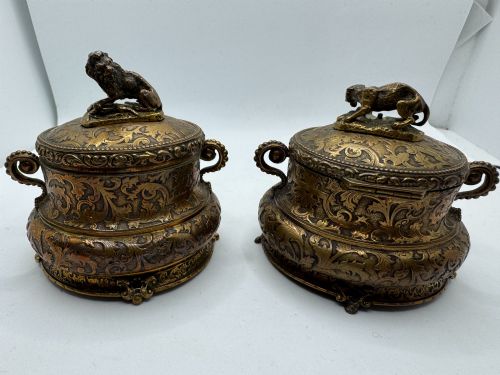
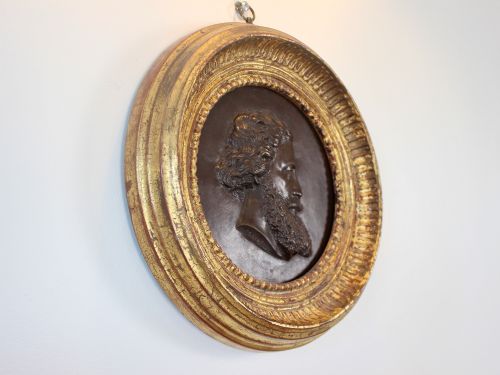
These pieces of 19th century bronze relief capture the enduring appeal of sculpted metalwork, offering collectors finely cast portrait plaques and classical scenes.
19th Century Bronze Relief
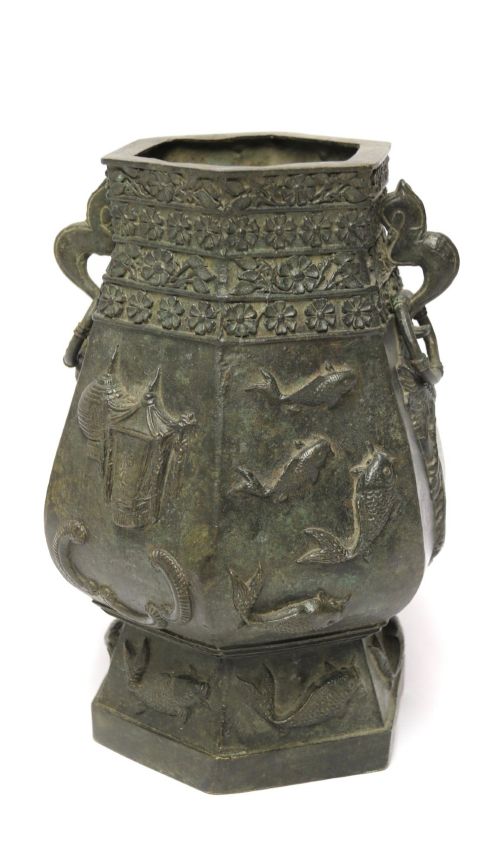
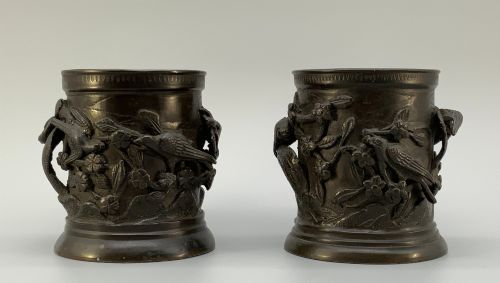
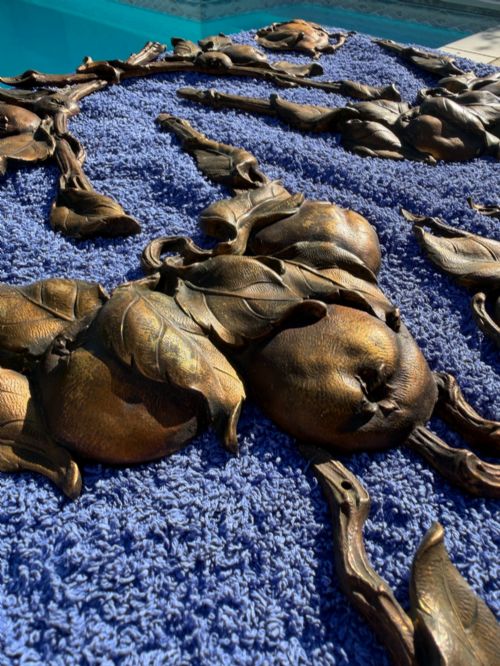
A 19th century bronze relief brings sculptural depth to flat surfaces, utilising cast or chased metal to depict figures, architectural scenes, and classical motifs. Buyers frequently encounter wall plaques, decorative vessels, and portrait roundels originating from European foundries and Asian export workshops.
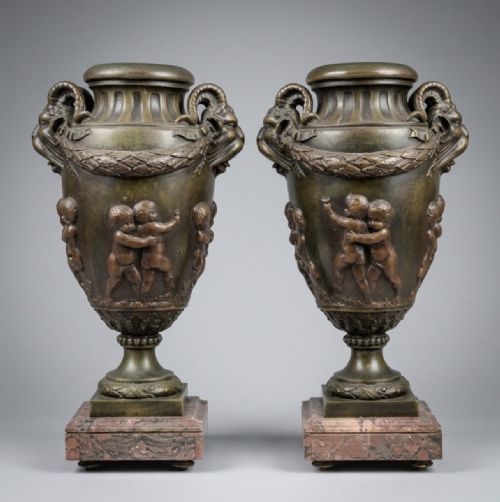
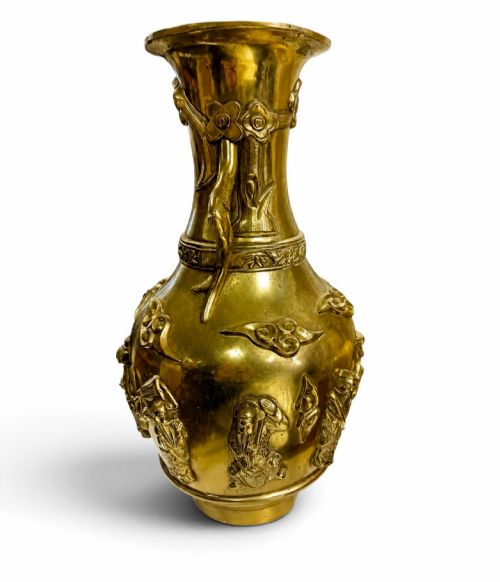
The selection ranges from Grand Tour souvenirs collected by travellers in Italy to Japanese Meiji period metalwork and French neoclassical platters. These items served primarily as interior decoration, desk accessories, or architectural ornaments within Victorian and continental homes.
Works span from the early decades of the century through to the aesthetic shifts of the 1890s, incorporating styles from Renaissance Revival to Art Nouveau. The physical format varies from small circular portrait medallions to monumental cast plaques designed for display on wood panelled walls.
Materials and casting methods
Foundries relied heavily on traditional bronze casting, often combining copper and tin alloys to achieve durability and a smooth surface for detailed chasing. Artisans applied chemical patination techniques to produce dark brown, green, or black finishes, while others utilised fire gilding to create rich golden surfaces.
Listings feature numerous Japanese Meiji period bronze vases alongside French neoclassical wall plaques and Grand Tour inkwells.
Judging the standard of execution
Quality rests in the crispness of the casting and the sensitivity of the hand-chasing that followed. Superior examples retain sharp facial expressions, clean definition in hair and drapery, and well-finished edges, whereas lesser pieces show soft outlines and blurred surface details from worn moulds.
The choice of patination and the integration of secondary materials like marble bases dictate the visual balance of the object. Masterworks exhibit a unified composition where the depth of the relief complements the natural weight and tone of the patinated metal.
Poix Blin·Mainfroy·Gustav Grohe
The 19th Century Bronze Relief Glossary
- Patination
- The ageing or chemical treatment of a metal surface. This process produces distinct colouration ranging from deep brown to verdigris green.
- Grand Tour
- Cultural journey through Europe undertaken by 19th century travellers. Souvenirs included classical bronze plaques and miniature architectural casts.
- Chasing
- The manual finishing of a cast metal object using small punches and hammers. This technique refines surface textures and sharpens details.
- Meiji
- Japanese imperial period spanning from 1868 to 1912. Metalwork from this era is noted for intricate inlay and skilled bronze casting.
19th Century Bronze Relief: Frequently Asked Questions
How do I clean a bronze relief?
Dust the surface gently with a soft, dry brush to remove particles without disturbing the underlying patination. Avoid harsh liquid cleaners or abrasive cloths that can strip away historic finishes.
Apply a light microcrystalline wax if protection from atmospheric moisture is necessary. Buff the wax gently with a clean cloth after application to maintain a subtle sheen.
Were these plaques meant for walls?
Many relief plaques feature integrated hanging loops or mounting holes designed specifically for wall display in nineteenth-century interiors. Others were produced as table platters, book covers, or desk accessories.
Examine the reverse side of the metal for fixings or flat areas that indicate its original mounting method. Wall plaques typically show finished backs with suspension points.
How can I date a bronze relief?
Examine the style of the figures, the costume details, and the casting technique to narrow down the period of manufacture. Stylistic markers often align with Victorian revival movements or continental neoclassical trends.
Look for foundry stamps, artist signatures, or registration marks stamped into the bronze or marble base. These identifiers frequently point to active workshop decades during the nineteenth century.
What is the difference between bronze and spelter?
Bronze is an alloy of copper and tin offering high tensile strength and a rich capacity for fine detail work. Spelter is a softer zinc-based alloy frequently used as a cheaper alternative for decorative figures and urns.
Heated or scratched surfaces reveal different underlying metals, with bronze showing a warm reddish copper tone beneath the patina. Spelter tends to feel lighter in the hand and is more prone to surface cracking.