





French Bronze Plaque
When you search for a french bronze plaque, you are hunting for cast metal relief work that carries portraiture, figures, and narrative scenes from the nineteenth and early twentieth centuries.
French Bronze Plaque
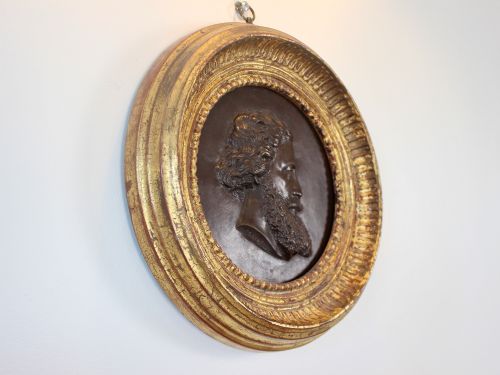
A french bronze plaque is a cast metal relief panel designed for mounting on walls or doors, depicting portraits of gentlemen, religious figures, classical muses, and allegorical scenes. These pieces frequently emerge from the nineteenth century, reflecting periods such as the Victorian era and the years around eighteen-eighty.
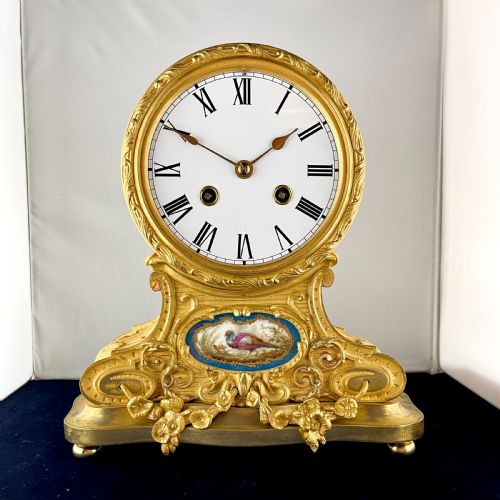
Buyers meet these works in various formats, including single portrait medallions in brass frames, commemorative pieces signed by makers like Mainfroy or Lavergne, and pairs of decorative reliefs. They sit alongside related items incorporating cast metal, such as wall lights, mantel clocks, and mounted furniture.
The objects serve primarily as decorative wall art or commemorative markers, capturing historical events, religious subjects like Jesus Christ, or mythological compositions involving putti. They reflect the revival styles of their time, drawing on classical and Renaissance motifs translated into cast bronze.
How they were made
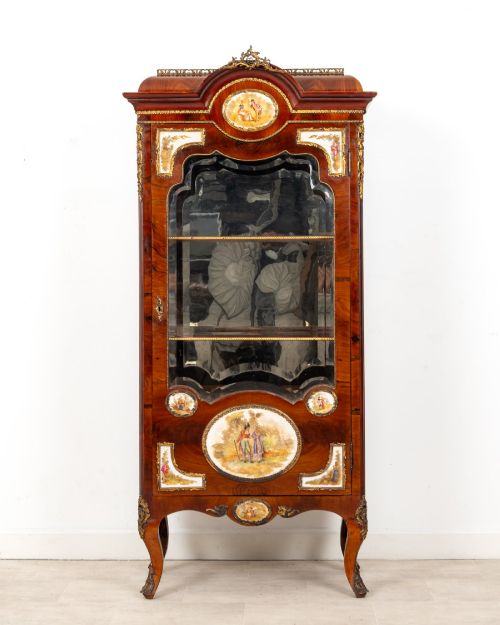
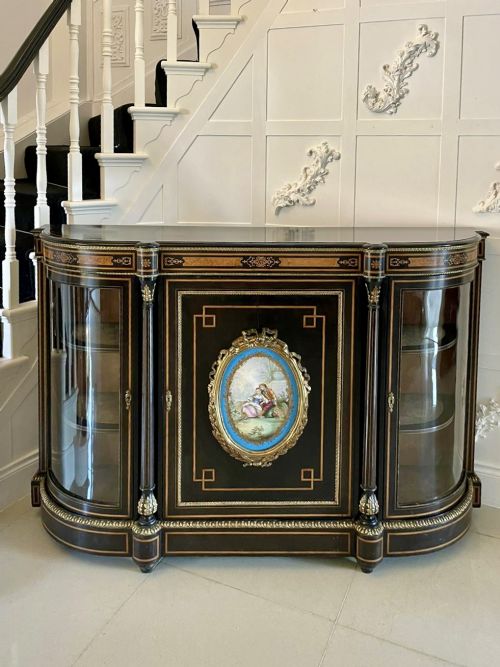
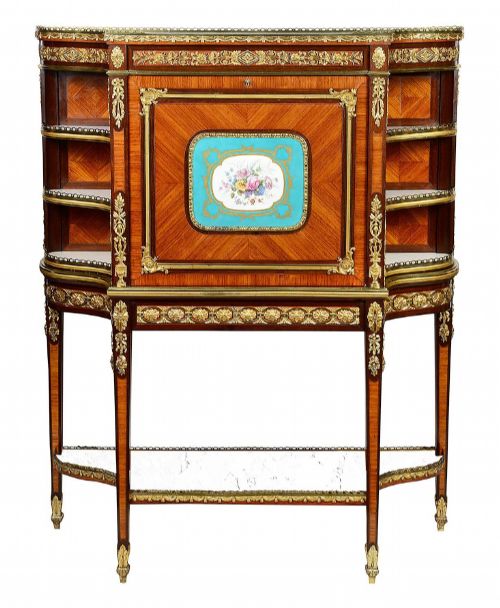
Many examples incorporate supplementary materials like brass frames or are mounted alongside porcelain and ormolu on larger furniture forms such as cabinets and desks. The interaction between patinated bronze and gilt mounts defines the technical execution of these decorative panels.
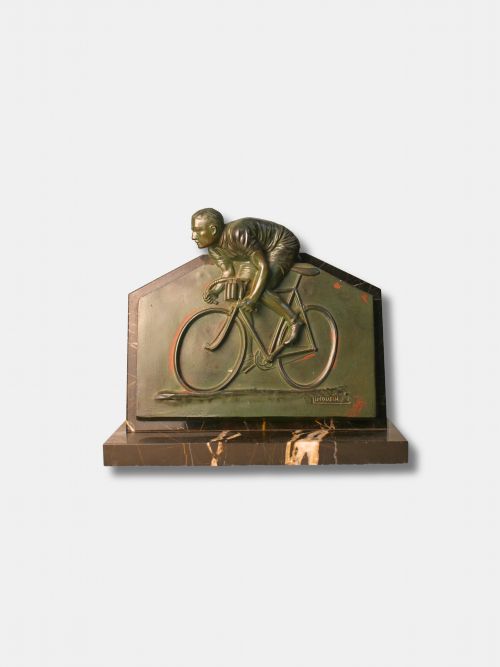
Adam and Eve share wall space with cycling tours and bearded gentlemen in the varied company of cast metal reliefs.
What varies in quality
The distinction at the upper end of the range lies in the crispness of the cast and the depth of the chisel work on the metal surface. Superior examples display sharp definition in hair, expression, and drapery that weaker casts blur.
Artistic attribution and signatures elevate specific pieces, distinguishing standard decorative production from signed works by known modellers or foundries. The quality of the surrounding frame or mount, such as heavy brass or ormolu settings, contributes to the overall standing of the piece.
Mainfroy·J Lavergne·X Ranel·Dumaige
The French Bronze Plaque Glossary
- Bronze
- A copper and tin alloy used for casting sculptures, medals, and wall plaques. It develops a natural patina over time.
- Relief
- Sculptural technique where figures project from a flat background. High relief stands out sharply, while low relief stays flatter.
- Patina
- The surface sheen and coloration acquired by bronze through age and handling. Collectors value original patination for authenticity.
- Ormolu
- Gilded bronze mounts applied to furniture and decorative objects. It involves treating metal with a mercury and gold amalgam.
- Medallion
- A circular or oval plaque bearing a portrait or commemorative design. These are often framed for wall hanging.
French Bronze Plaque: Frequently Asked Questions
How do I hang a heavy bronze plaque?
These cast metal panels require secure wall fixings suited to their substantial weight. Use appropriate wall anchors and screws that engage directly with structural support rather than relying on standard picture wire.
Ensure the frame or integrated hanging loops are robust enough to bear the vertical load safely. Professional framing or mounting hardware protects both the wall and the plaque.
Can I clean the surface of a bronze plaque?
Light dusting with a dry, soft cloth is sufficient for routine maintenance of cast metal surfaces. Avoid using commercial metal polishes or harsh liquids that strip away the historical patina.
Preserving the aged surface skin protects the metal and maintains the visual character developed over generations. Consult a conservator if deeper cleaning becomes necessary.
What subjects appear on these plaques?
Portrait profiles of historical figures, military leaders, and bearded gentlemen form a large category of these metal reliefs. Religious narratives, classical muses accompanied by putti, and allegorical figures also feature prominently.
Signatures from makers appear on several portrait and commemorative pieces, recording specific individuals or historical events like the American Civil War.
Where were these plaques displayed originally?
Victorian interiors incorporated these cast panels as mounted wall art in studies, libraries, and formal reception rooms. They functioned as focal points among paintings or above mantelpieces.
Smaller portrait medallions were often grouped together in sets within brass frames. This arrangement created gallery walls of commemorative and artistic profiles.