




Antique Bronze Bas Relief
These antique bronze bas relief works capture history and portraiture in metal, offering a tactile depth that flat paintings simply cannot match.
Antique Bronze Bas Relief
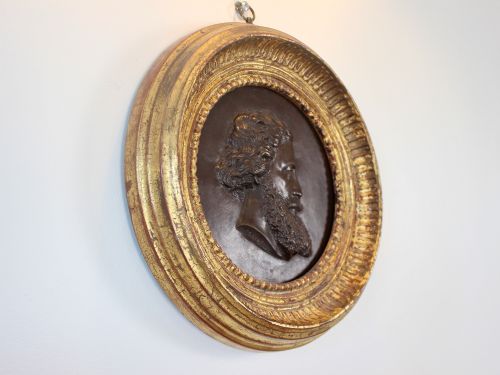
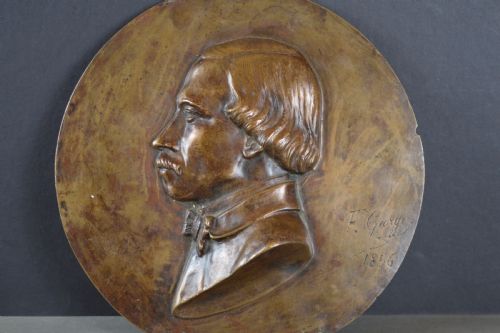
When you search for antique bronze bas relief, you are examining sculptural panels and plaques where figures project only slightly from a flat background. These works span the eighteenth, nineteenth, and early twentieth centuries, encompassing periods from Victorian classicism to Art Deco.
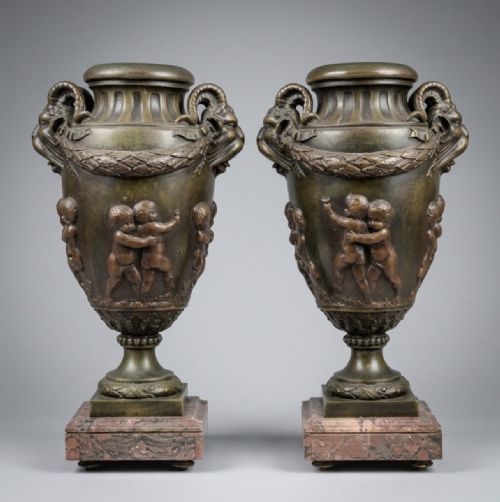
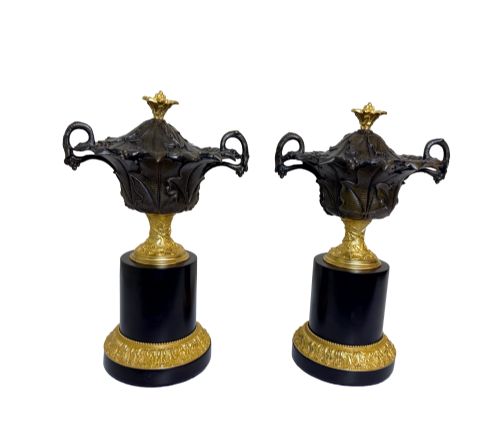
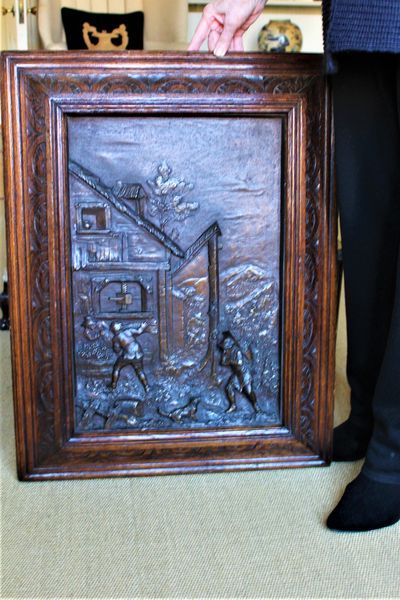
The objects on this page primarily take the form of wall plaques, wall sculptures, and mounted panels. You will also encounter related decorative forms such as gilt bronze coupes, ornamental urns on marble bases, and early maquettes.
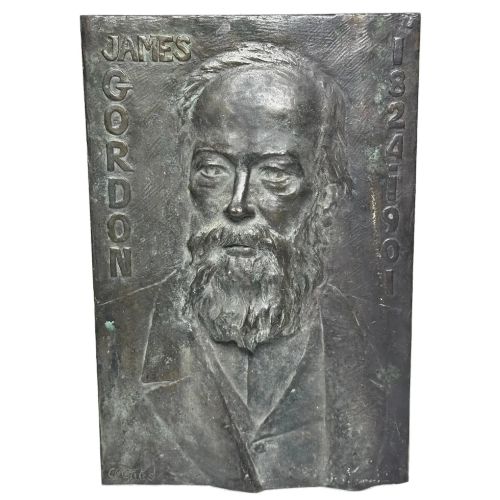
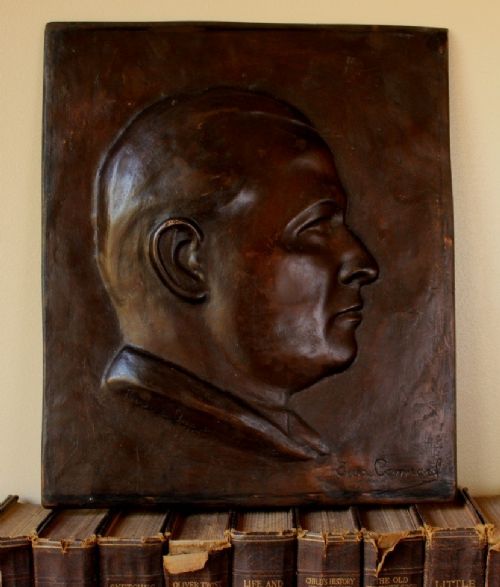
Portraits of historical figures, classical muses, and mythological scenes dominate the selection. Makers utilised these subjects to create durable commemorations in bronze, copper, and bronzed spelter.
Materials and construction methods
Foundries cast these pieces predominantly in bronze, alongside variations in copper, gilt bronze, and bronzed spelter. Supporting structures frequently incorporate oak, marble, and giltwood to frame or pedestal the metalwork.
Artists modelled the initial designs before casting, often applying patination or gilding to enhance the tonal contrast of the low relief. Finishing touches included hand-chasing details and signing the metal surface.
Listings feature works cast in bronze, copper, and spelter, frequently mounted on marble or oak panels.
Distinguishing quality in cast metalwork
Quality rests in the crispness of the casting and the sensitivity of the hand-chasing that follows. Superior examples retain sharp facial expressions, clean lettering, and intricate drapery without the blurring common in secondary casts.
The choice of secondary materials elevates a piece, such as heavy veined marble bases or finely joined oak mounts. Signed works by documented artists command greater attention due to the known hand behind the chisel.
Alice Gates·Eugene Canneel·Gian Federigo Bonzagna·J Lavergne
The Antique Bronze Bas Relief Glossary
- Bas relief
- A sculptural technique where figures project minimally from a flat background. This French term translates to low relief.
- Spelter
- An alloy of zinc and copper often used as a cheaper alternative to bronze. It frequently received a bronze-coloured finish.
- Patina
- The surface sheen and coloration developed through age or chemical treatment. It adds depth to metallic surfaces.
- Maquette
- A small-scale preliminary model for a finished sculpture. Artists use these to test compositions before committing to larger casts.
- Chasing
- The process of refining metal surfaces by hand with punches and hammers after casting. This removes flaws and sharpens details.
Antique Bronze Bas Relief: Frequently Asked Questions
How do I hang a heavy bronze plaque safely?
Most wall-mounted pieces feature built-in loops or require sturdy brackets secured directly into wall studs. Weight varies significantly depending on whether the metal is supported by marble or wood.
Ensure your fixings match the wall type to bear the load securely without straining the frame or panel.
What is the difference between bronze and spelter?
Bronze is a durable copper and tin alloy that accepts fine detail and develops a rich natural patina over time. Spelter is a softer zinc-based metal that is lighter and more brittle.
Spelter pieces were often given a bronze-coloured coating to mimic genuine bronze.
How should I clean an antique bronze relief?
Dust the surface gently with a soft, dry brush to prevent dirt accumulation in the recessed areas. Avoid abrasive polishes or chemical cleaners that strip the historic patina.
Leaving the aged surface untouched preserves the character and historical integrity of the metal.
Why are some bronze plaques signed?
Signatures indicate the sculptor or foundry responsible for creating the model and overseeing the cast. Signed pieces often provide a direct link to known artists and exhibitions.
Look for names or initials stamped near the lower edge of the relief.