
Antique Relief Plaque
An antique relief plaque brings three-dimensional storytelling to a wall, capturing centuries of portraiture, mythology and architectural salvage in timber, metal and plaster.
Antique Relief Plaque
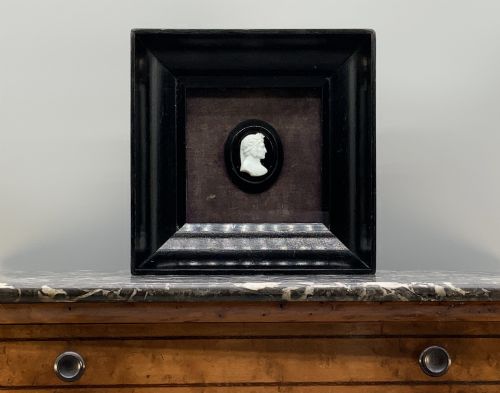
An antique relief plaque is a sculptural wall panel that projects outward from a flat background, encompassing everything from classical ivory portraits and carved oak panels to cast bronze profiles and polychrome plaster. When searching for an antique relief plaque, buyers encounter a diverse array of wall art, architectural fragments, and decorative plaques spanning the seventeenth century through to the early twentieth century.
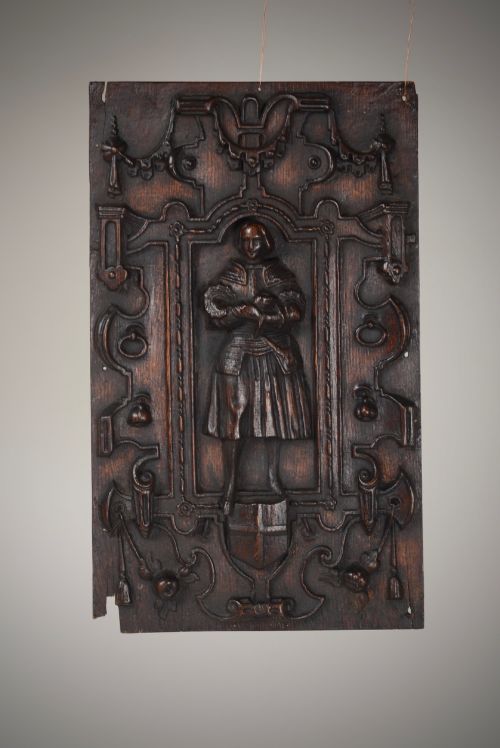
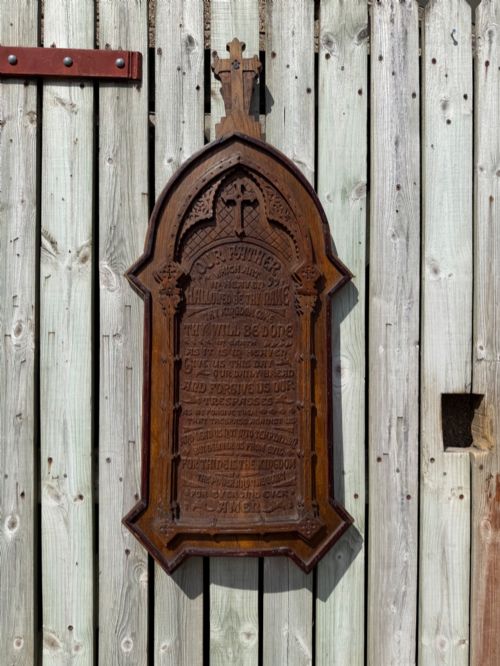
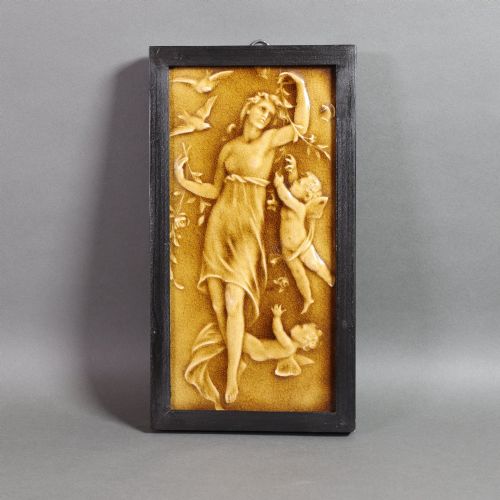
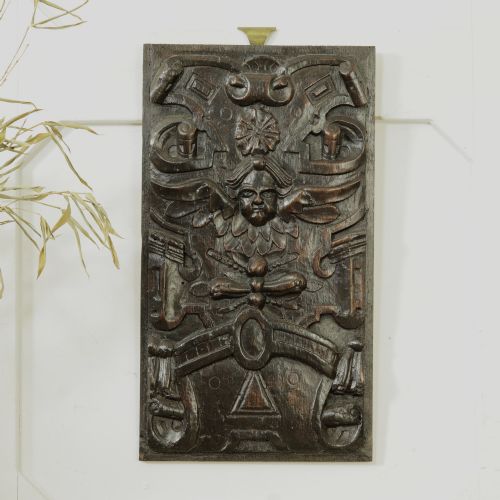
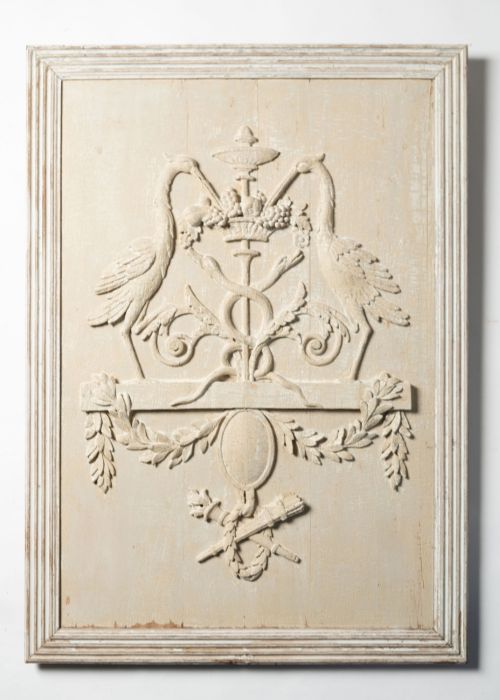
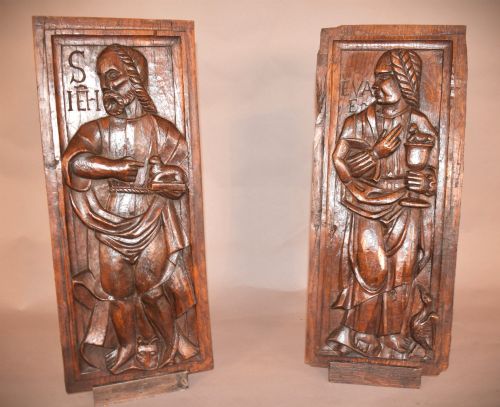
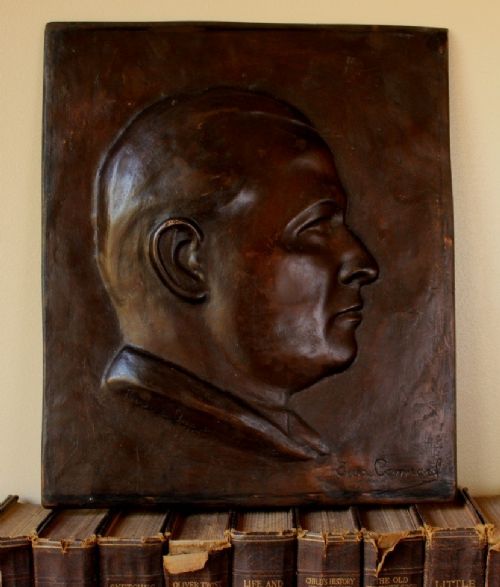
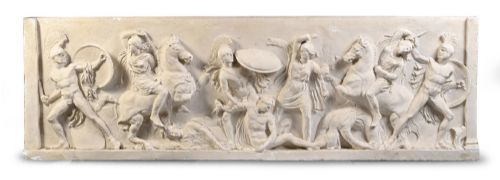
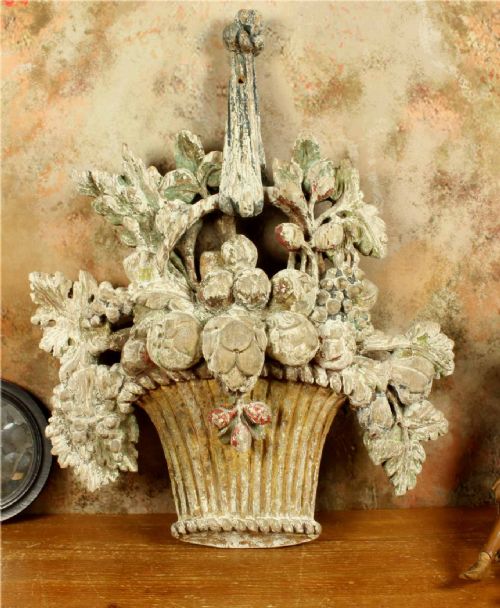
The selections available range heavily towards timber and metal examples, including seventeenth-century oak carvings depicting religious and historical scenes, alongside nineteenth-century bronze portrait plaques and Grand Tour plaster pieces. Stylistically, these works stretch across Neoclassical, Gothic Revival, Art Nouveau and Baroque idioms, reflecting the varied domestic and institutional spaces they originally inhabited.
How they were made
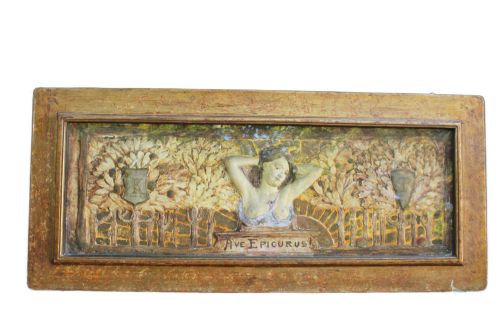
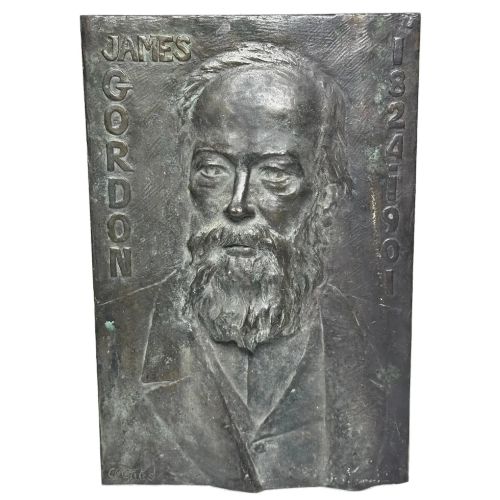
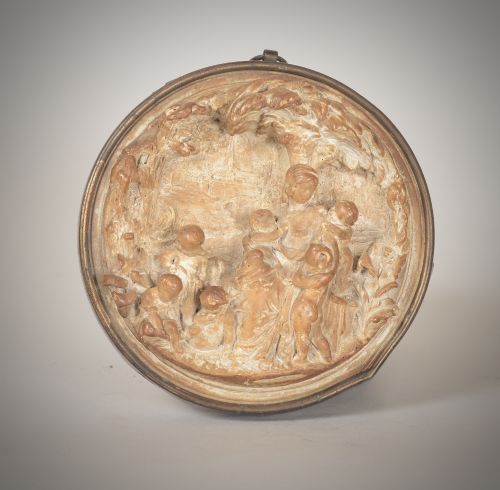
Metal and plaster are equally prevalent, shaped through casting, chasing and moulding in bronze, copper, silver plate and earthenware. Plaster and terracotta reliefs capture fine linear details and smooth skin tones, while metal plaques often employ patination to accentuate the high-relief profiles of portraits and mythological figures.
The listings show a concentration of seventeenth-century carved oak panels alongside nineteenth-century bronze portrait plaques and plaster Grand Tour souvenirs.
What varies in quality
The distinction between ordinary and exceptional works rests on the depth of the carving and the fidelity of the cast. Master carvers and skilled founders produce high-relief elements that project decisively from the ground, rendering musculature, drapery and facial expressions with anatomical conviction rather than flat repetition.
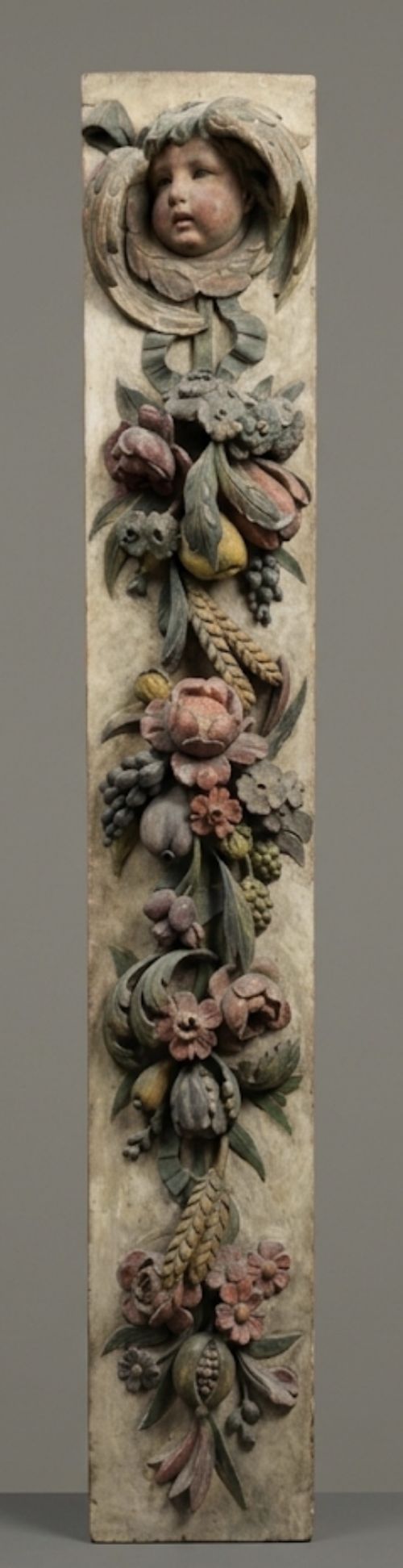
Material selection and surface preservation dictate the upper tier of the range. Original polychrome finishes, deliberate patination on bronzes, and dense, tightly grained hardwoods maintain their crispness over centuries, whereas secondary or provincial works often exhibit softer edges and heavier restoration.
Ernst Wahliss Austrian Terracotta·Smith Beck and Beck·Eugene Canneel·Clement Messier·Van Rijckevorsel and Verheijen
The Antique Relief Plaque Glossary
- Relief
- A sculptural technique where the sculpted elements remain attached to a solid background of the same material. High relief projects significantly from the background, sometimes almost detached.
- Polychrome
- The practice of decorating architectural elements, sculpture, or pottery in a variety of colours. In these pieces, it usually refers to painted wooden or plaster surfaces.
- Grand Tour
- A traditional trip of Europe undertaken by upper-class European young men of sufficient means. Souvenirs collected included small portrait plaques in ivory, marble or plaster.
- Heraldic
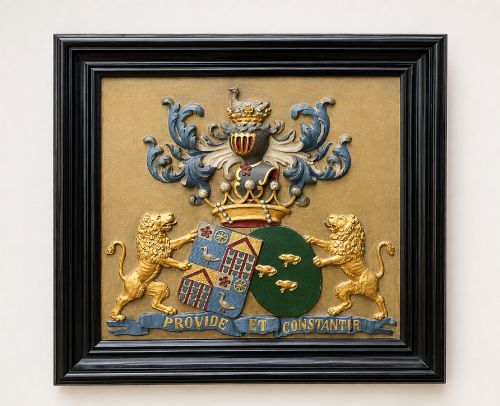
- Relating to heraldry or armorial bearings. These plaques display family crests, coats of arms or marital alliances.
Antique Relief Plaque: Frequently Asked Questions
Where were antique relief plaques displayed?
These pieces were originally mounted directly onto interior wood-panelled walls, hung in drawing rooms as standalone works of art, or incorporated into architectural facades and furniture.
Many also served as devotional items in domestic shrines, commemorative pieces for marriages and exhibitions, or architectural salvage saved from historic buildings.
How do I care for wooden and plaster plaques?
Wooden plaques benefit from stable indoor humidity and occasional light application of appropriate furniture wax to nourish the timber grain and prevent splitting.
Plaster and terracotta pieces require dry dusting with a soft brush, avoiding liquid cleaners entirely due to their porous nature and potential painted finishes.
What is the difference between high-relief and low-relief?
High-relief sculpture projects out from the background by at least half its natural depth, creating strong shadows and a nearly three-dimensional appearance.
Low-relief, or bas-relief, stays much closer to the flat plane, relying on subtle shifts in depth and fine incision lines to define the subject.
How can I tell a Grand Tour souvenir plaque?
Grand Tour plaques typically depict classical portraits, Roman emperors or mythological scenes carved in ivory, micro-mosaic, or cast in fine white plaster and marble.
They were produced in the nineteenth century for travellers touring cultural sites in Italy and Greece as portable mementos of their education.