





Victorian Portrait Plaque
A victorian portrait plaque brings likenesses of historical figures, monarchs and fictional icons directly onto the wall in porcelain, bronze, copper and carved wood.
Victorian Portrait Plaque
A victorian portrait plaque captures the faces of historical figures, literary characters, and monarchs in enduring materials suited for interior display. Buyers searching for a victorian portrait plaque encounter wall chargers, framed miniatures, and ceramic tiles originating from nineteenth century workshops.
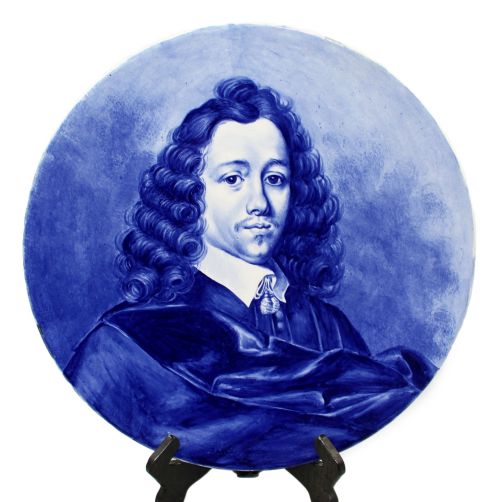
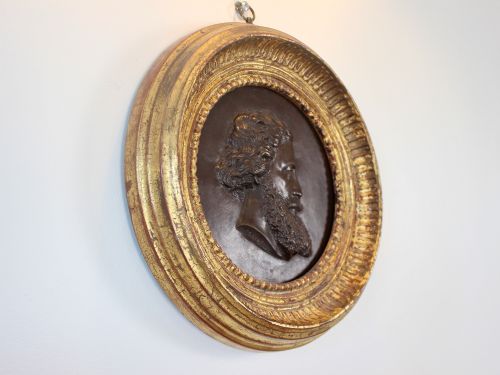
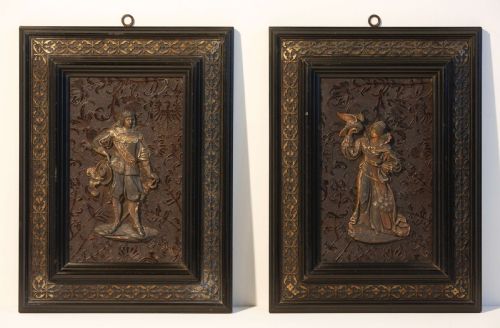
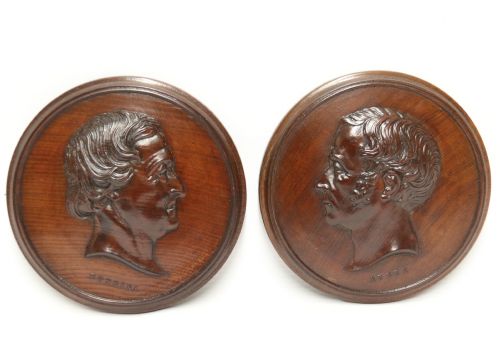
The objects take diverse forms across the period, appearing as cast bronze reliefs, painted porcelain panels, and carved mahogany wall plaques. Many examples commemorate specific historical personages, from military commanders to political leaders.
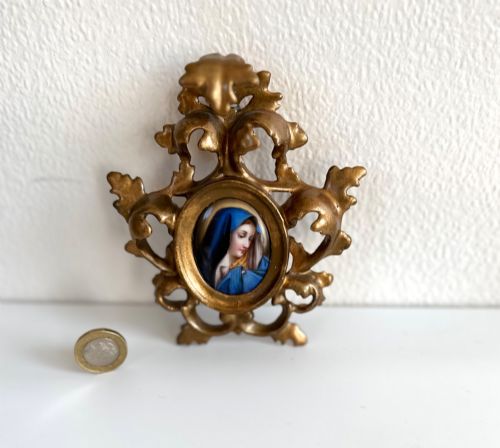
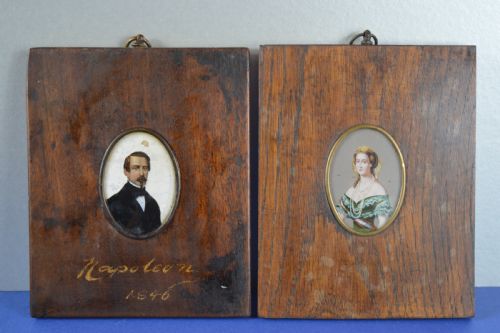
Makers utilised various mounting styles, enclosing fragile porcelain within ornate ormolu frames or mounting carved wood panels directly onto contrasting backdrops. These pieces functioned primarily as decorative interior wall art for Victorian domestic spaces.
Materials and Construction
Craftsmen shaped these likenesses using porcelain, enamel, and paint, or cast them in metals including bronze, copper, white metal, and brass. Painted porcelain examples required careful firing in kilns to fix the pigments onto the ceramic surface.
Listings demonstrate a preference for nineteenth century materials including bronze, porcelain, copper, and carved mahogany.
Distinctions in Quality
Quality rests upon the precision of the casting or the finesse of the painted brushwork, distinguishing standard commercial output from masterwork productions. Superior porcelain panels demonstrate delicate shading and smooth glazes without surface blemishes or firing cracks.
Metal and wooden examples reveal excellence through sharp relief work, careful chiselling, and the inclusion of legible artist signatures or factory marks. The integration of quality mounts, such as gilded bronze or carved wooden frames, elevates the presentation of the central plaque.
Royal Bonn·Gustav Grohe·Sherwin And Cotton·R Pernice·KPM·J Lavergne
The Victorian Portrait Plaque Glossary
- Wall Charger
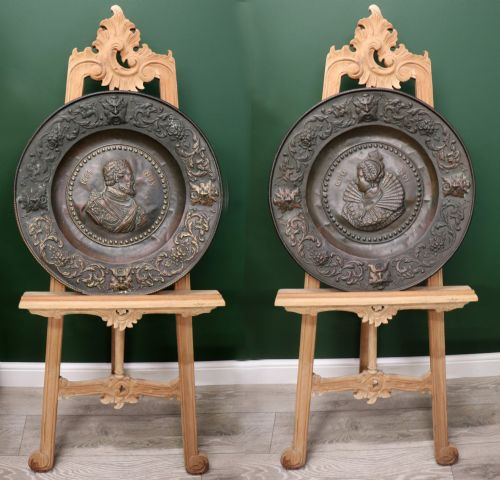
- A large decorative plate designed for display on a wall rather than for use at the table. These often feature painted or relief portraits.
- Ormolu
- Gilded bronze mounts and frames applied to porcelain and ceramic plaques. This decorative metalwork adds an opulent border to the central portrait.
- Relief
- Sculpture technique where figures project from a background plane rather than standing freely. Low relief appears flat, while high relief projects more substantially.
- Miniature
- A small-scale portrait painting executed with fine detail. These delicate works frequently appear within protective frames or cases.
Victorian Portrait Plaque: Frequently Asked Questions
What materials are used?
These pieces incorporate porcelain, bronze, copper, enamel, brass, and carved woods such as mahogany and oak. Many incorporate painted surfaces or gilded bronze mounts.
Makers selected materials based on the intended medium, using ceramics for painted portraits and metals or wood for relief sculptures.
How were they displayed?
Victorian households mounted these items directly onto walls as decorative panels, wall chargers, and framed pictures. Some larger pieces functioned as table top items or architectural wall ornaments.
Frames made from carved wood, giltwood, and ormolu secured the plaques and facilitated hanging.
Who do the portraits depict?
Subjects include monarchs, military commanders, political leaders, literary figures, and historical personages. Familiar likenesses comprise figures such as Charles Dickens, Abraham Lincoln, and Queen Marie de Médicis.
Some plaques show anonymous young women, classical figures, or religious subjects like the Madonna.
How do I identify periods?
Dating relies on stylistic clues, framing techniques, and recorded signatures from nineteenth century factories and individual artists. The presence of specific revival styles, such as Gothic Revival or Rococo Revival, points to Victorian manufacture.
Factory marks on the reverse of ceramic tiles and porcelain panels also provide clear chronological markers.