


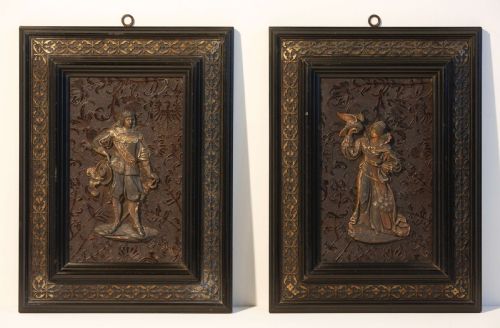


Victorian Bronze Plaque
A victorian bronze plaque brings tangible weight and fine metallic detail to any wall, capturing portraits, heraldry, and classical scenes.
Victorian Bronze Plaque
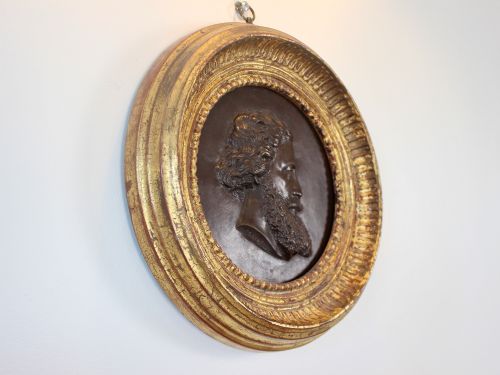
When you search for a victorian bronze plaque, you encounter cast metal wall panels, commemorative medallions, and decorative reliefs produced across the nineteenth century. These items range from small round portrait studies of bearded gentlemen to large rectangular panels depicting historical figures or mythological subjects.
On this page, you are most likely to meet pieces cast in solid bronze or copper, often bearing signatures of makers or foundries from Britain and continental Europe. Many of these wall plaques were designed to be mounted on timber panels, furniture pieces, or displayed independently in domestic interiors.
Materials and construction
The manufacture of these metal items relies on traditional foundry methods such as sand casting and lost-wax casting, which allow for sharp relief and intricate detailing. Once cast, the metal receives hand-finishing work, including chiselling, repousse details, and chemical patination to accentuate the depth of the figures.
The listings combine cast bronze, copper, and ormolu wall pieces originating from British and continental European foundries.
Assessing quality
The distinction between standard commercial output and superior work lies in the crispness of the cast and the depth of the hand-chased details. A finer panel exhibits sharp contours on hair, clothing, and background elements, whereas weaker examples show softened edges from worn moulds.
Signatures by recognised artists or established foundries elevate the standing of a piece, as does the presence of clear casting marks and original patination. The composition and emotional expression of portraiture also dictate the grade of the work, with lifelike proportions marking superior craftsmanship.
Gustav Grohe·Mainfroy·J Lavergne·Coalbrookdale
The Victorian Bronze Plaque Glossary
- Bronze
- An alloy consisting primarily of copper, commonly combined with tin, used extensively for durable metal sculptures and decorative panels.
- Repousse
- A metalworking technique where the metal is hammered into relief from the reverse side to create raised decorative designs.
- Patination
- The surface coloration or sheen developed on bronze over time through natural ageing or chemical treatment by the maker.
- Ormolu
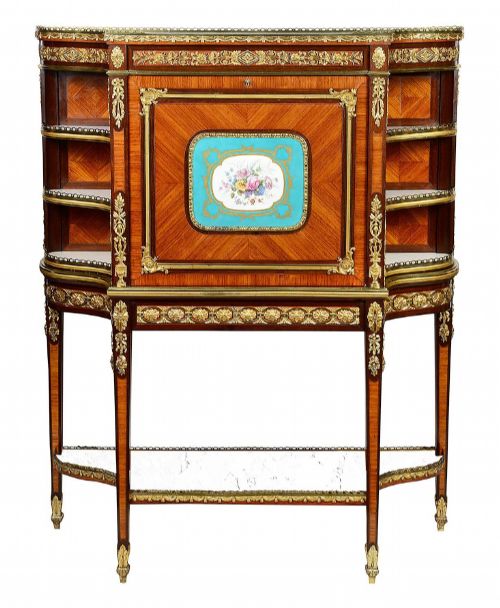
- Gilded bronze mounts and decorative elements applied to furniture, clocks, and plaques during the nineteenth century.
Victorian Bronze Plaque: Frequently Asked Questions
How were these wall plaques displayed?
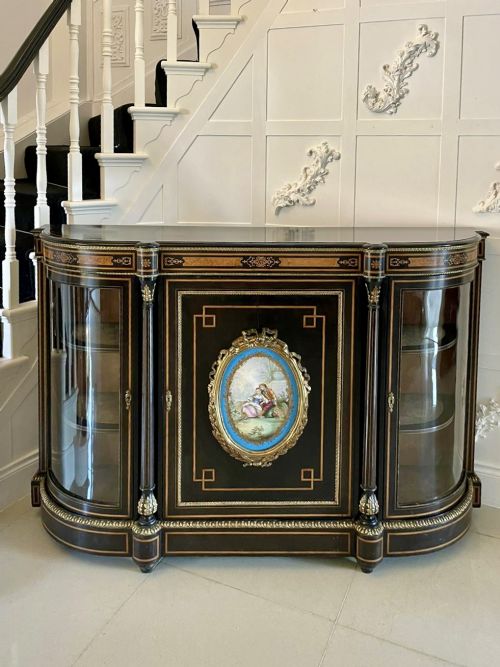
Nineteenth-century metal panels were usually hung directly on interior walls as independent artworks or integrated into the wooden frames of credenzas and cabinets.
Smaller medallions and plaques were also set into the lids of heavy oak boxes or mounted above mantelpieces for domestic display.
What subjects do the portraits show?
The metallic reliefs commonly depict historical figures, literary characters, monarchs, and notable public personalities of the period.
Other panels display allegorical scenes, classical deities such as Diana the huntress, or family coats of arms and heraldic crests.
How do I care for bronze surfaces?
Maintenance requires only occasional dusting with a dry, soft cloth to prevent the accumulation of grit within the recessed details of the casting.
Harsh chemical polishes must be avoided entirely, as they strip away the historical patination that defines the character of the metal.
Are these items marked by makers?
Selected pieces feature artist signatures, foundry stamps, or registration dates cast directly into the metal or inscribed on the reverse.
Unsigned panels are common, however, and attribution relies on style, casting quality, and comparison with known foundry catalogues.