



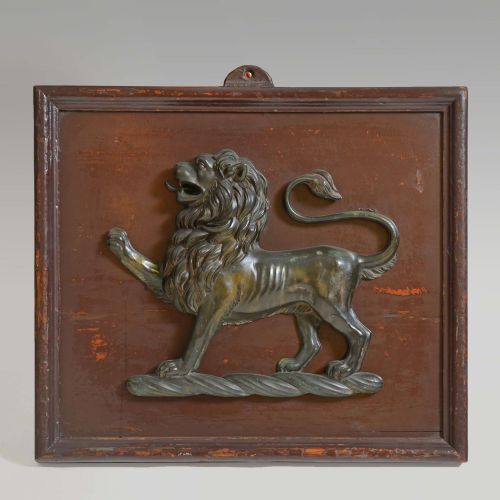


Dark Bronze Wall Plaque
A dark bronze wall plaque brings depth and historic portraiture or classical relief work directly to a panelled room.
Dark Bronze Wall Plaque
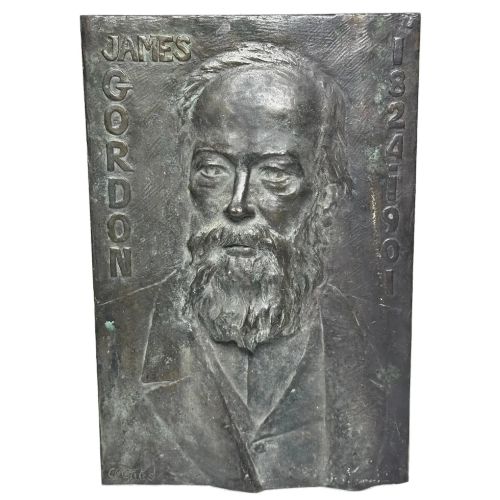
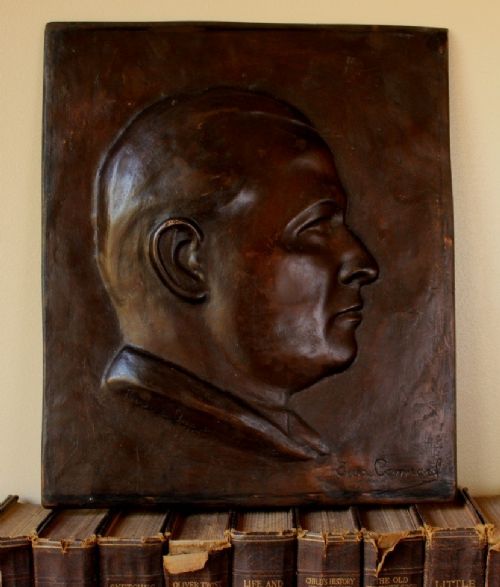
A dark bronze wall plaque is a cast metal relief designed to hang flat against a wall, frequently depicting portrait profiles or classical scenes. When searching for a dark bronze wall plaque, collectors encounter pieces spanning the eighteenth century through to the Edwardian period, with nineteenth-century examples dominating the selection.
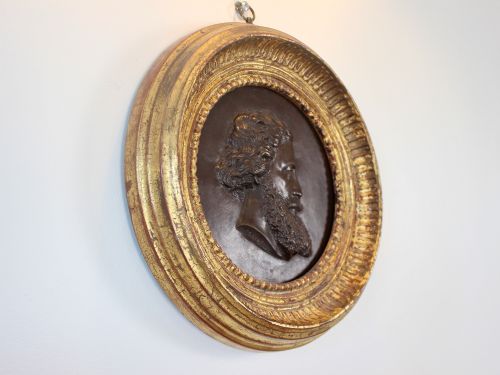
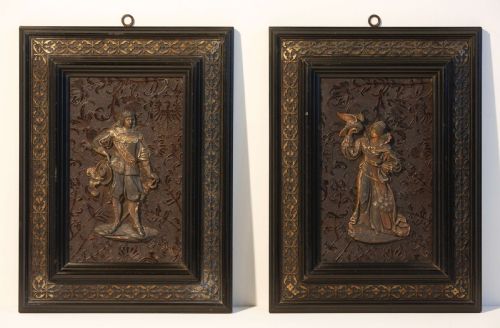
The forms range from individual portrait medallions in brass frames to monumental pairs, armorial crests, and decorative chargers. Many pieces originate from British, French, Italian, and Austrian workshops, reflecting classical revival, Victorian, and Art Nouveau aesthetics.
Wall sculptures and relief plaques utilise various mountings, including ebonised wood panels and giltwood surrounds. These objects function as architectural ornaments or cabinet pieces adapted for display.
How they were made
Foundries produced these reliefs using traditional casting methods in bronze, white metal, and cast iron, often applying dark patination to accentuate the modelled details. Some plaques incorporate terracotta or bronzed plaster mounted on timber grounds.
Detailing relied on hand-chasing after casting, with makers employing patination acids to achieve deep brown or nearly black surfaces. Frames frequently combined ebonised wood, oak, and gilt elements to support the heavy metal reliefs.
An Austrian terracotta relief plaque depicts a satirical refugee monkey family in America around nineteen hundred.
What varies in quality
The sophistication of the patination and the integrity of the original mounting, whether brass frames or timber panels, determine the overall execution. Signed works by documented sculptors or foundries carry distinct artistic authority compared to unsigned factory output.
Alice Gates·Eugene Canneel·Ernst Wahliss·Gian Federigo Bonzagna·Coalbrookdale
The Dark Bronze Wall Plaque Glossary
- Patination
- The surface coloration and ageing applied to metal through chemical treatment or natural oxidation. This process darkens the bronze to enhance sculptural contrast.
- Relief
- A sculptural technique where figures project from a flat background plane. High relief projects significantly, while low relief remains closer to the surface.
- Medallion
- A circular or oval plaque bearing a portrait or commemorative design. These were frequently framed for wall display.
- Cast iron
- An iron-carbon alloy poured into moulds to create heavy decorative panels. Coalbrookdale utilised this material for monumental portrait plaques.
- Grand Tour
- Nineteenth-century travel across continental Europe by the wealthy to collect classical antiquities and souvenirs. Many bronze plaques date from this cultural movement.
Dark Bronze Wall Plaque: Frequently Asked Questions
How do I hang a heavy bronze plaque?
Heavy bronze and cast iron plaques require secure wall anchors and appropriate load-bearing screws. Ensure the hanging wire or integrated wall brackets match the substantial weight of the metal and its wooden backing.
Position the piece at eye level where adequate lighting can catch the dark patination and relief contours. Avoid damp walls that might affect wooden mounts or timber frames.
Are all dark bronze plaques solid metal?
Not all pieces consist entirely of solid cast bronze. Some examples utilise white metal, terracotta, or bronzed plaster with a dark metallic finish applied to the surface.
Examining the reverse or unpainted edges usually reveals the base material beneath the dark surface layer. Weight and magnetic tests also help distinguish solid bronze from plated or coated alternatives.
What periods do these wall plaques represent?
The selection spans from the eighteenth century through the Victorian and Edwardian eras. Nineteenth-century pieces form the largest group, encompassing neoclassical revival and Grand Tour souvenirs.
Stylistic cues such as classical drapery, Victorian Gothic lettering, or Art Nouveau curves help anchor pieces within specific decades. Signatures and foundry marks provide further chronological context.
How should I clean a dark bronze plaque?
Dust the surface gently with a soft, dry brush to remove particles settled in the relief recesses. Avoid harsh chemical cleaners or abrasive cloths that can strip the historic dark patination.
Preserving the original surface finish maintains the aesthetic and historical integrity of the piece. Professional conservation advice is recommended for heavily soiled items.