




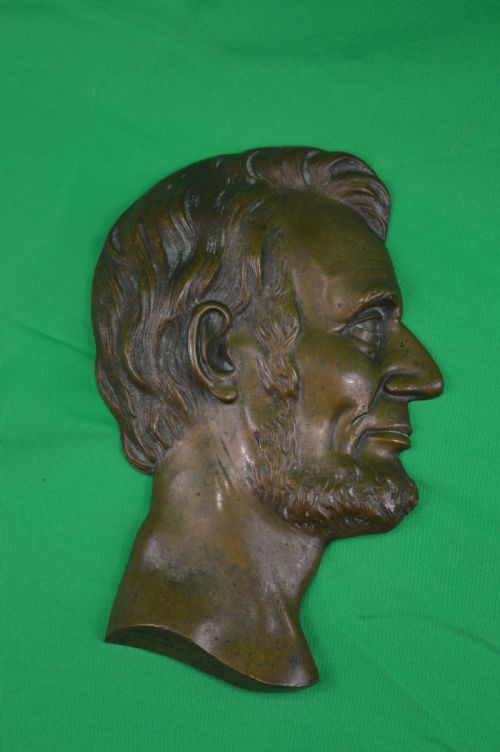


Cast Bronze Relief Plaque
A cast bronze relief plaque brings sculptural weight and classic portraiture straight to the wall.
Cast Bronze Relief Plaque
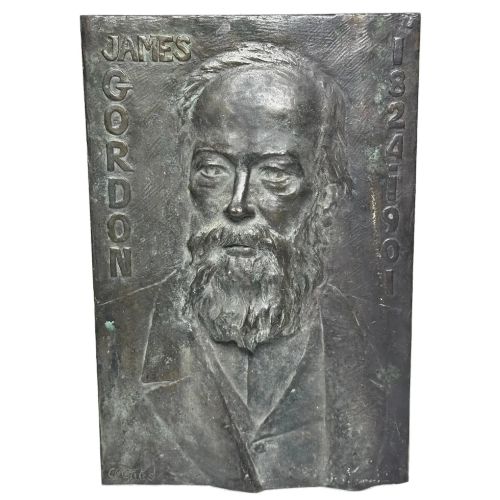
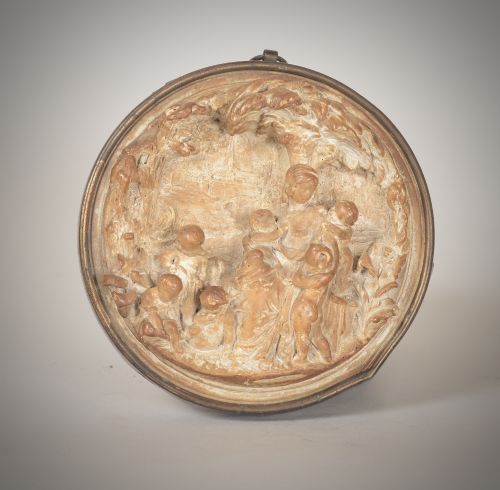
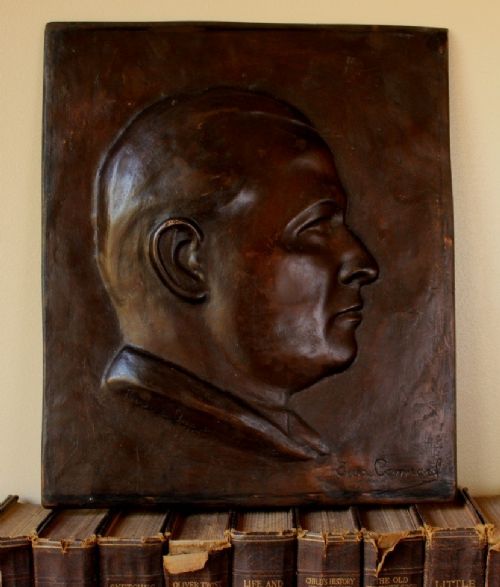
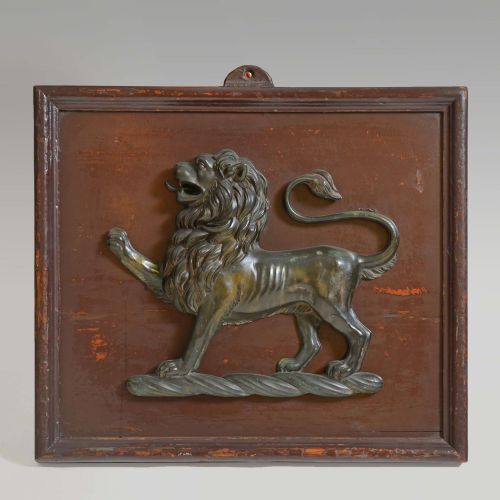
A cast bronze relief plaque is a decorative panel projecting figures or motifs from a flat background, designed primarily for wall display. When you search for this phrase, you encounter pieces spanning from the eighteenth century through the twentieth century, with a strong nineteenth-century presence. These works take various forms, including portrait profiles, grand tour souvenirs, armorial bearings, and commemorative roundels.
The selections range from intimate portrait studies of literary figures and royalty to heraldic crests and classical compositions. Many examples originate from British, French, and European foundries, reflecting distinct historical periods such as the Edwardian era, Art Deco, and the nineteenth-century neoclassical revival. You also find related wall sculptures and cast iron or brass alternatives serving similar decorative functions.
Assessing quality and execution
The presence of a clear artist signature, foundry mark, or attributed maker elevates the significance of a piece. Materials also contribute to the distinction, as substantial cast bronze or well-finished patinated lead outlasts lighter base metals and retains superior definition over decades of display.
Several plaques double as functional door hardware, proving that historic homes once demanded artistic flair even on their latch plates.
Alice Gates·Eugene Canneel·Coalbrookdale
The Cast Bronze Relief Plaque Glossary
- Relief
- A sculptural technique where figures project from a flat background. Low relief, or bas-relief, keeps the projection shallow while high relief stands out more fully.
- Patina
- The surface coloration and sheen developed naturally over time or applied artificially by the foundry. It protects the metal and adds depth to the bronze.
- Grand Tour
- A cultural journey undertaken by wealthy Europeans in the eighteenth and nineteenth centuries. Souvenirs from these trips often included classical bronze and plaster plaques.
- Roundel
- A circular panel or plaque used for decorative wall display. They frequently portray profile portraits or heraldic subjects.
- Heraldic
- Pertaining to coats of arms, crests, and family lineages. These plaques display official armorial bearings or clan symbols.
Cast Bronze Relief Plaque: Frequently Asked Questions
How do I hang a heavy bronze plaque?
Most heavier plaques require secure wall fixings such as rawlplugs and screws suited to the weight of the metal. Ensure the mounting bracket or integrated hanging loop engages firmly with the wall support.
For pieces mounted in timber frames, check the integrity of the wooden backing and hanging wire before installation to prevent accidental slips.
Are these plaques meant for indoor display?
The majority of these pieces are intended for interior walls, libraries, or studies. Bronze and brass tolerate indoor home environments well.
Exposing them to damp outdoor conditions can accelerate corrosion and alter the historic patina, particularly on pieces with painted surfaces or wooden surrounds.
How should I clean a bronze relief?
Dust the surface gently with a soft, dry brush or microfiber cloth to remove settled particles. Avoid using harsh metal polishes, which strip away the aged patina.
Professional conservation advice is recommended if deeper cleaning becomes necessary due to accumulated grime or environmental residue.
How do I identify the age of a plaque?
Examine the style of the lettering, costume details of portrait subjects, and manufacturing techniques visible on the reverse. Period styling often provides a reliable guide to the decade of origin.
Foundry stamps, signatures, and framing materials also offer strong clues to date nineteenth-century grand tour pieces and twentieth-century works.