


Bas Relief Bronze Sculpture
Bas relief bronze sculpture brings depth to a wall, offering classical portraits and mythological scenes cast in metal.
Bas Relief Bronze Sculpture
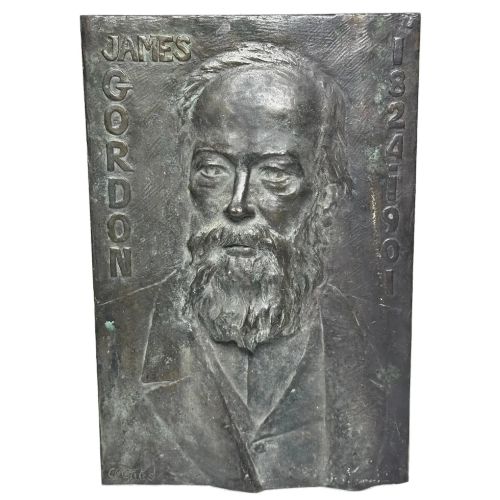
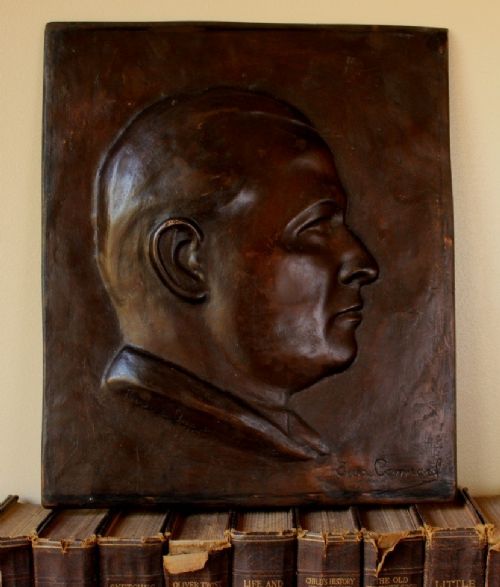
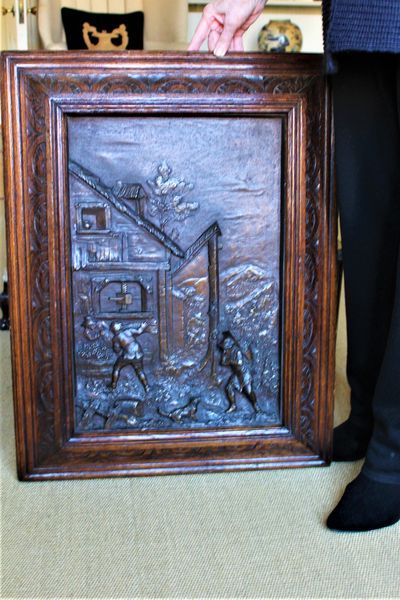
When you search for bas relief bronze sculpture, you encounter cast metal wall plaques and portrait reliefs designed for interior display. These pieces project slightly from a flat background, capturing figures and narratives in metal rather than standing fully in the round.
The selections available here span from the eighteenth century through the Edwardian period and the early twentieth century. You are most likely to meet wall plaques and portrait reliefs rendered in bronze, patinated metal, or bronzed copper.
Makers utilised various classical and revival styles, including Neoclassical, Baroque, and Renaissance Revival motifs. Subjects range from male portraits and bearded gentlemen to mythological figures like Diana the huntress and classical muses.
How they were made
These works rely on metal casting techniques, utilising bronze, copper, and occasionally plaster with a bronze finish. Artisans poured molten metal into moulds to achieve the raised surface imagery characteristic of bas relief.
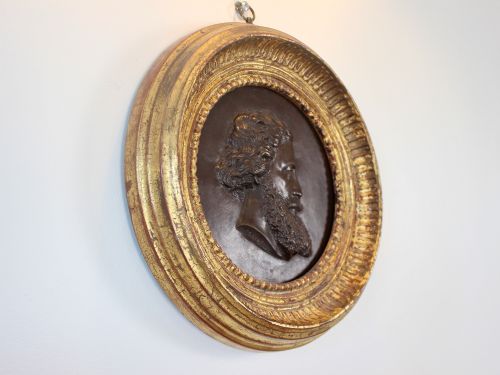
Many examples incorporate secondary materials such as wood frames, giltwood surrounds, and velvet backings to mount and frame the metal plaque. Signatures and attributions are frequently chased or cast directly into the surface by the artist.
Diana the huntress keeps watch over your hallway alongside bearded Victorian gentlemen and cherubic putti.
What varies in quality
The depth of the patina and the quality of the surrounding mount also distinguish better pieces. Works attributed to named artists or associated with specific makers typically exhibit superior sculptural execution compared to unrecorded commercial castings.
Alice Gates·Eugene Canneel·MAINFROY·Gian Federigo Bonzagna
The Bas Relief Bronze Sculpture Glossary
- Bas relief
- A sculptural technique where the figures project only slightly from the flat background. This method creates depth while keeping the sculpture attached to a plane surface.
- Patina
- The surface coloration and sheen developed naturally over time or applied chemically to bronze. It enhances the visual contrast of the sculpted details.
- Maquette
- A small preliminary model or sketch for a larger sculpture. These demonstrate the artist's initial conception before the final casting.
- Putti
- Depictions of plump, winged infant figures frequently found in classical and renaissance art. They appear alongside mythological subjects in relief panels.
- Giltwood
- Wood that has been coated with gold leaf or gold paint. It frequently frames antique wall plaques to provide a decorative border.
Bas Relief Bronze Sculpture: Frequently Asked Questions
How do I hang a heavy bronze wall plaque safely?
These metal reliefs require secure wall anchors and appropriate picture wire or brackets rated for their weight. Because bronze is dense, anchoring directly into wall studs ensures stable placement.
Avoid relying solely on standard plaster hooks for larger panels. Ensuring the mounting hardware matches the weight of the plaque protects both the wall and the frame.
What is the difference between a plaque and a maquette?
A plaque is a finished, flat-backed artwork designed specifically for wall display. These pieces are complete objects intended to be viewed as self-contained reliefs.
A maquette serves as a three-dimensional draft for a larger or freestanding sculpture. These preparatory models often show a looser, more experimental handling of the material.
How should I clean a bronze relief sculpture?
Dusting gently with a dry, soft brush or microfiber cloth is usually sufficient for regular maintenance. This removes surface particulate without disturbing the aged metal patina.
Harsh chemical cleaners, water, and abrasive polishes strip away historical patination and damage the metal. Preserving the original surface keeps the piece in its authentic state.
Are these sculptures meant exclusively for interior walls?
These decorative panels and portraits are designed for indoor display within domestic or institutional settings. Their materials, including velvet backings and wooden mounts, do not suit exterior weather conditions.
Placing them away from direct sunlight and excessive moisture protects the metals and backing materials from degradation over time.