


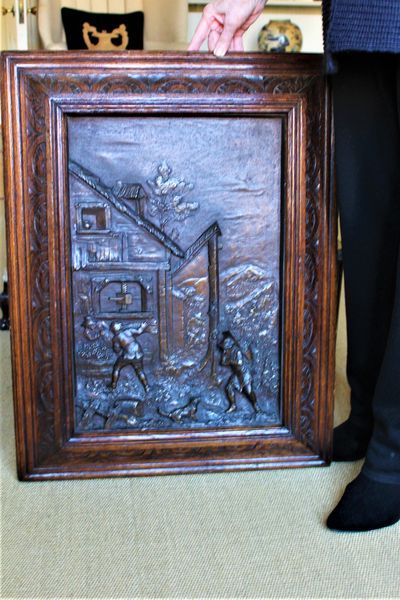
Decorative Bronze Wall Hanging
A decorative bronze wall hanging brings weight, texture and aged metalwork to an interior, shifting the eye instantly.
Decorative Bronze Wall Hanging
A decorative bronze wall hanging encompasses various metal objects designed for display on vertical surfaces, ranging from mirrors and clocks to plaques and gongs. When exploring a decorative bronze wall hanging, one encounters items spanning the nineteenth century up to later twentieth-century productions.
How they were made
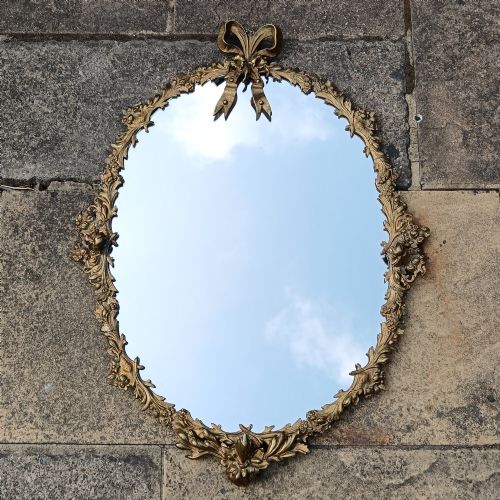
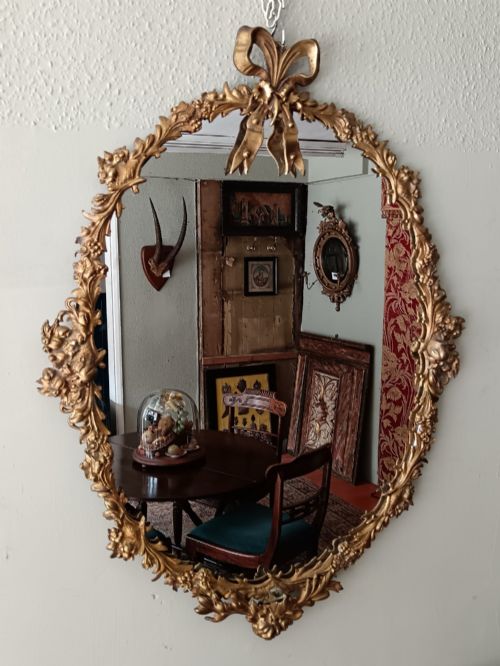
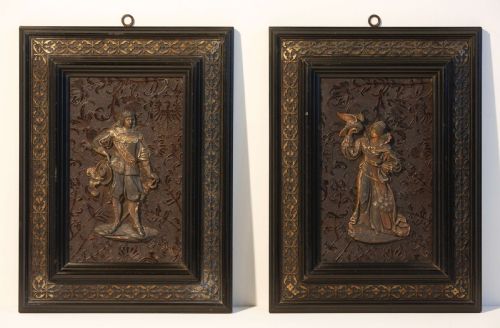
Makers utilised casting techniques for bronze, brass and white metal to achieve high-relief figures and intricate frames. Gilt finishes were applied to bronze surfaces to create rich reflective qualities on mirrors and cartel clocks.
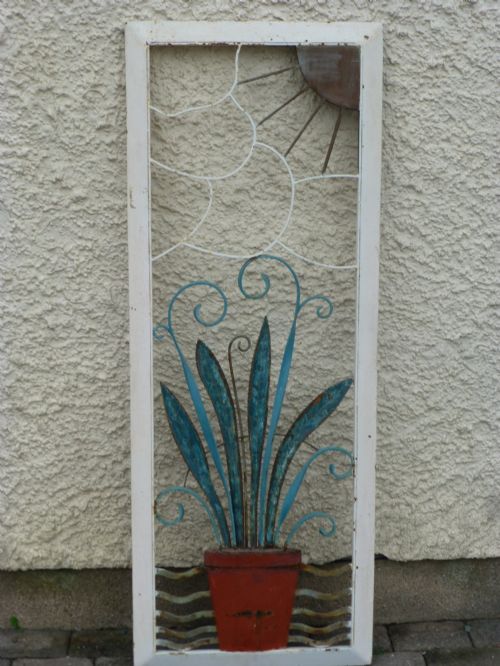
Beaten and worked techniques shaped copper and wrought iron into chargers and architectural screens. Enamel and glass elements were frequently integrated into the metal frameworks to add colour and contrast.
What varies in quality
The refinement of the casting and channelling determines the sharpness of detail in relief plaques and mirror frames. Superior examples display crisp chasing on gilt bronze surfaces, whereas simpler pieces show softer contours and less defined ornamentation.
Material composition also dictates standard, with solid bronze and heavy ormolu commanding greater presence than lighter white metal or mixed gilt metal alloys. The depth of hand-beaten work in copper items similarly separates standard production from finer craftsmanship.
Faulkner Bronze Company·Raymond Subes
The Decorative Bronze Wall Hanging Glossary
- Ormolu
- Gilded bronze, where a layer of gold is applied to a bronze base using mercury amalgamation or modern electroplating. This technique creates a rich, enduring golden sheen characteristic of French decorative items.
- Cartel clock
- A wall-mounted clock housed in an ornate frame made of metal, wood or porcelain. They gained popularity during the baroque and rococo periods in France.
- Repoussé
- A metalworking technique where a malleable metal is hammered from the reverse side to create a raised design in relief. It is frequently seen on Arts and Crafts chargers and plaques.
- Wall plaque
- A flat or low-relief decorative object meant solely for hanging on a wall rather than serving a functional purpose like a mirror or clock.
Decorative Bronze Wall Hanging: Frequently Asked Questions
How do I clean antique bronze?
Dust bronze and gilt surfaces gently with a soft, dry cloth to remove surface particles without disturbing the underlying patina. Avoid abrasive cleaners or harsh chemical polishes that can strip away original gilding and aged finishes.
If deeper cleaning is necessary, consult a specialist conservator to preserve the historical integrity of the metal. Preserving the natural oxidation maintains the character built up over decades.
What is the difference between ormolu and gilt bronze?
Ormolu specifically refers to ground gold applied to a bronze object using a mercury amalgamation process common in eighteenth and nineteenth-century French manufacturing. Gilt bronze is a broader term that can encompass various modern or traditional gilding methods on a bronze substrate.
Both terms describe a golden finish applied to metalwork, but ormolu carries a distinct historical association with luxury European decorative arts.
Are these wall hangings suitable for bathrooms?
Humid environments like bathrooms can accelerate corrosion, tarnish and damage to delicate materials such as unsealed iron, white metal, glass and old wood backings. Moisture may also weaken applied gilt finishes over extended periods.
Dry interior rooms provide the most stable environment for preserving antique bronze, brass and copper wall decorations. Keeping them away from direct sources of damp ensures the metalwork remains stable.