



Renaissance Revival Wall Plaque
These renaissance revival wall plaque pieces bring nineteenth-century historicism into interiors through heavy metalwork, carved timber, and painted enamel.
Renaissance Revival Wall Plaque
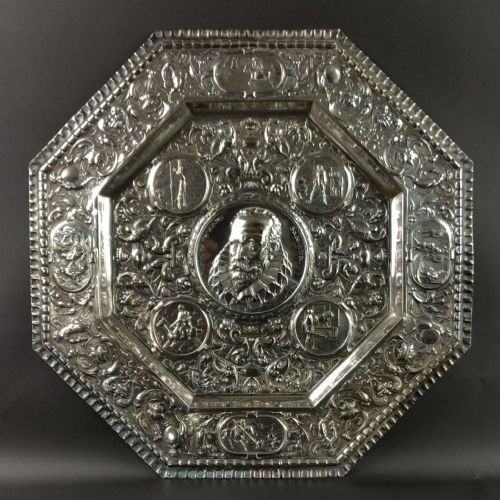
A renaissance revival wall plaque is a decorative panel, charger, or dish designed for vertical display. When searching for a renaissance revival wall plaque, collectors typically encounter nineteenth-century interpretations of earlier European artistry.
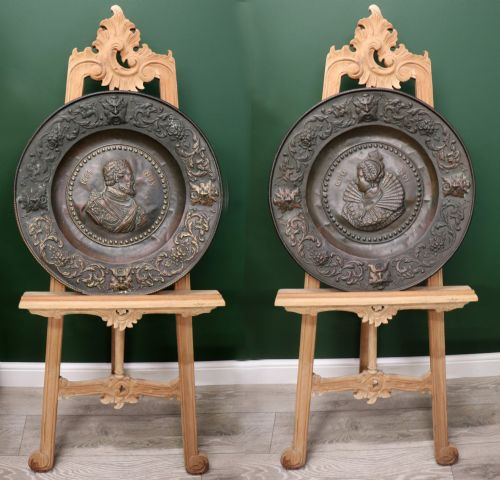
The objects on this page span the nineteenth century, including specific dates such as eighteen-eighty and eighteen-ninety, alongside earlier eighteenth-century examples. Forms range from round copper plaques and decorative chargers to carved wooden panels and architectural fragments.
Makers and artists referenced in the evidence include Icilio Federico Joni, Gustav Grohe, Samson, and C. Ravier. Subjects depicted draw heavily from historical portraits, classical figures, and religious iconography.
How they were made
Metalwork pieces utilise techniques like repoussé, where copper, brass, and white metal are hammered from the reverse to create raised relief portraits and narrative scenes. Gilded bronze and painted enamel on copper also appear frequently across the selection.
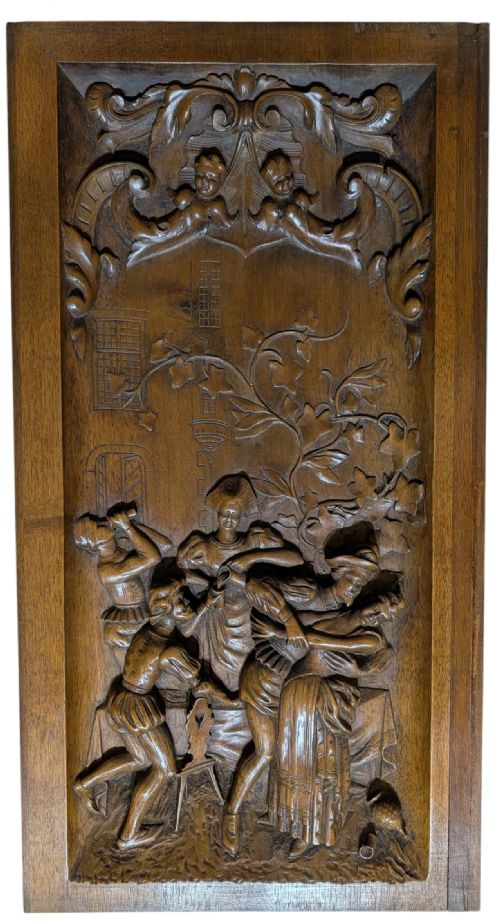
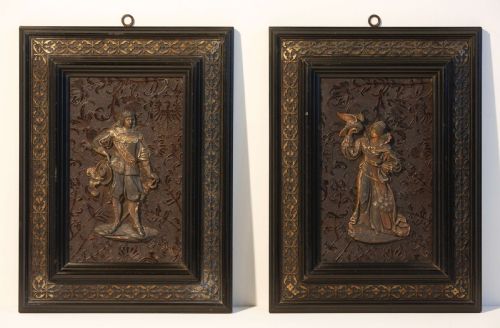
Carved wooden items employ oak, walnut, and ebonised wood shaped into architectural decorations and wall hangings. Other variations include painted wood book cover bindings and plaster copies after earlier masters.
The listings combine nineteenth-century metalwork in copper and brass with carved wooden panels and Limoges enamel paintings on copper.
What varies in quality
Quality rests in the crispness of the relief work and the depth of the repoussé detailing on metal surfaces. Hand-painted enamels and faience glazes show distinction through precision of line and richness of palette.
Carved wooden panels separate themselves by the depth of undercut relief and the fidelity of the historicist motifs. Signed works by recorded makers and artists carry distinct authority compared to anonymous workshop output.
Icilio Federico Joni·Gustav Grohe·Samson·C. Ravier·Donatello
The Renaissance Revival Wall Plaque Glossary
- Repoussé
- A metalworking technique where a sheet of metal is hammered from the reverse side to form a raised design in relief. This method allows artisans to achieve considerable depth and detail on copper and brass chargers.
- Charger
- A large decorative plate or dish intended for display on a wall rather than for use at the dining table. These items often feature narrative or portrait scenes.
- Faience
- Tin-glazed earthenware produced across Europe, particularly in Italy and France during the revival periods. It provides a smooth white ground for painted historical subjects.
- Ormolu
- Gilded bronze mounts applied to frame or accent decorative porcelain and panel plaques. The technique adds a bright metallic border to wall-hanging art.
- Biccherna
- A term associated with painted wooden administrative bindings from Siena, imitated in later nineteenth-century decorative panels and book covers.
Renaissance Revival Wall Plaque: Frequently Asked Questions
How do I hang a heavy metal wall plaque?
Heavy metal and bronze plaques require secure wall anchors or direct fixing into timber studs to support their substantial weight safely. Using appropriate weight-rated picture wire or brackets attached to the rear frame ensures stability.
Position the plaque at eye level where adequate lighting can catch the repoussé details and metallic surface patination without causing harsh glare.
Where were these wall plaques displayed historically?
In nineteenth-century interiors, historicist wall plaques were mounted in libraries, studies, and formal reception rooms to signal an appreciation for historical art. They served as conversation pieces that mirrored the grand collections of European nobility.
Grouping them alongside architectural salvage and carved wooden panels created a cohesive period aesthetic within the home.
How do I clean copper and brass plaques?
Dust metal plaques gently with a soft, dry cloth to remove surface particles without disturbing the aged surface patination. Avoid harsh chemical cleaners or abrasive polishes that strip away historical character and original finishes.
Enamelled and painted surfaces require particular care, needing only a light wipe with a lint-free cloth.
Are these plaques original or nineteenth-century copies?
The majority of pieces date from the nineteenth century during the height of the historicist revival movements. Makers during this period frequently drew inspiration from Renaissance and seventeenth-century prototypes, sometimes producing explicit copies of earlier works.
Examining the materials, mounting hardware, and any signatures helps identify the exact period of manufacture.