



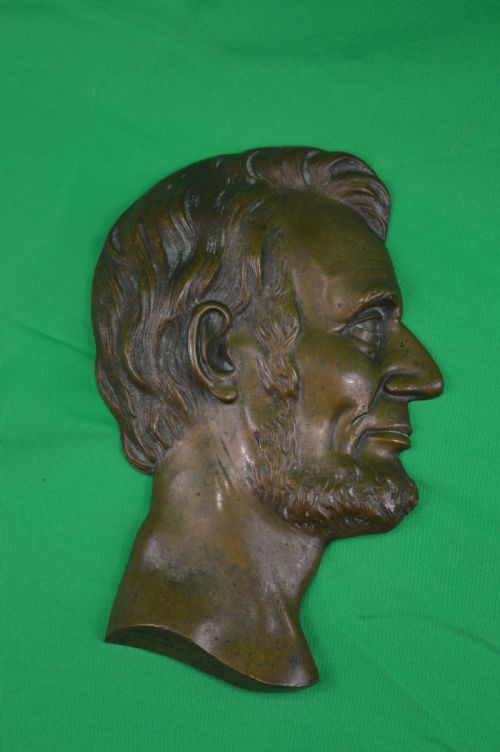


Bronze Profile Relief
A bronze profile relief captures a likeness in cast metal, offering a tactile portrait for the wall that appeals to portrait collectors.
Bronze Profile Relief
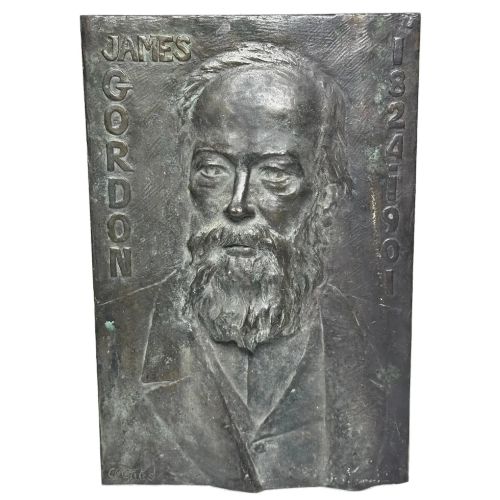
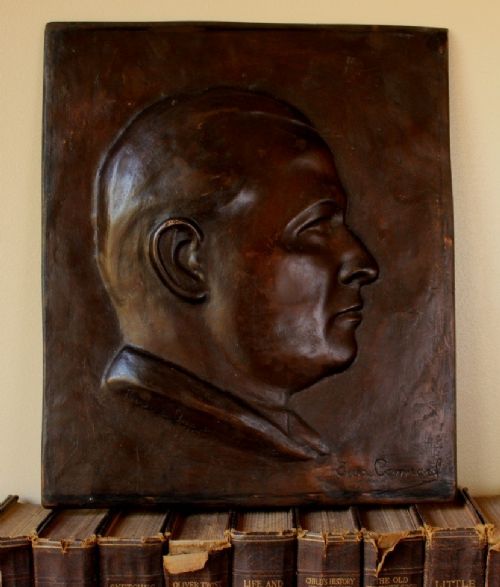
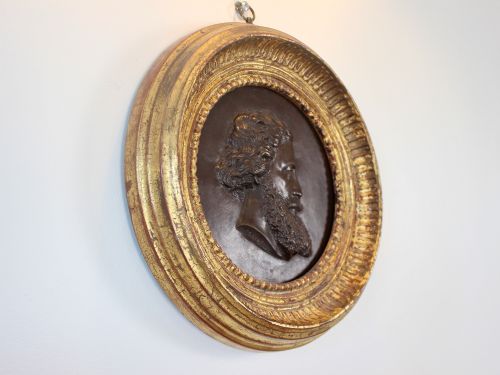
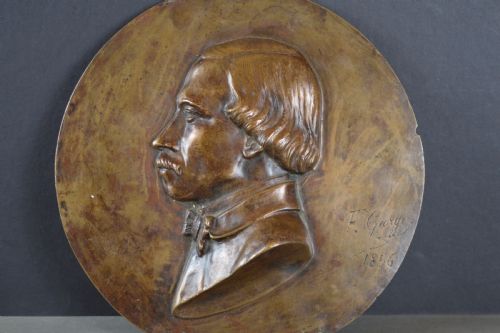
A bronze profile relief presents a portrait head turned to the side, cast or mounted as a wall plaque for interior display. These pieces capture historical figures, literary icons, and private sitters in enduring metal.
The versions met most frequently on this page span the nineteenth century and the early twentieth century, including Victorian and Edwardian examples. They take the form of roundels, rectangular wall panels, and framed portrait medallions.
Makers often cast these works to commemorate jubilees, political figures, or cultural luminaries such as Queen Victoria, Abraham Lincoln, Shakespeare, and Napoleon. Collectors encounter both independent artist-signed castings and unmarked commemorative pieces.
How they were made
Foundries produced these works primarily through metal casting, utilising bronze, brass, copper, and cast lead with bronzed finishes. Certain lighter pieces employed bronzed plaster mounted on timber panels.
Mounting and framing formed an integral part of the manufacture, with makers setting metal reliefs into turned mahogany frames, giltwood mouldings, and heavy brass surrounds designed for wall hanging.
Shakespeare and Rubens share a matched pair of cast iron ironmongery, watching over nineteenth-century wall spaces together.
What varies in quality
The quality of the secondary materials influences the overall piece. Solid mahogany frames, deep patination on the metal surface, and legible artist signatures distinguish superior productions from simpler commercial plaques.
Alice Gates·Eugene Canneel·Mainfroy·J Lavergne
The Bronze Profile Relief Glossary
- Profile
- A view of a human head from the side rather than straight on. This format is traditional for portrait medals and commemorative wall plaques.
- Relief
- Sculpture where the figures project from a flat background surface. High relief emerges strongly from the plane, while low relief stays flatter.
- Roundel
- A circular panel or plaque used for decorative artwork. These frequently house paired portraits of historical rulers or literary figures.
- Patina
- The surface coloration and sheen acquired by bronze over time or through chemical treatment. A rich patina enhances the depth of a cast portrait.
- Medallion
- A large medal-shaped plaque created to commemorate a person or event. They are often mounted in frames for interior display.
Bronze Profile Relief: Frequently Asked Questions
Are these portraits always famous people?
Many pieces commemorate notable figures such as Abraham Lincoln, Queen Victoria, and Charles Dickens. Other plaques depict anonymous gentlemen, private sitters, or classical poets.
Signatures on the metal surface occasionally point to specific portraitists and sculptors rather than the historical subject being portrayed.
How should I clean a bronze relief?
Dust the surface gently with a soft, dry brush to prevent dirt accumulation in the recessed details of the profile. Avoid harsh chemical cleaners that strip the historic patination from the metal.
Applying a light microcrystalline wax can protect the bronze finish from atmospheric moisture over time.
What frames are original to these reliefs?
Nineteenth and early twentieth-century plaques frequently retain their original turned mahogany frames, giltwood surrounds, or heavy brass mounting brackets. These housings complement the circular or rectangular format of the cast panel.
Subsequent reframing occurs often, so examining the joinery and backing boards helps determine the age of the presentation.
How do I date a bronze portrait plaque?
Dates appear through cast signatures, commemorative subjects tied to jubilees or historical events, and the style of the surrounding timber frame. Victorian and Edwardian pieces often display distinct lettering and casting marks.
Comparing the manufacturing technique, such as cast bronze versus bronzed plaster, narrows the period of production.