




Bronze Wall Medallion Plaque
These bronze wall medallion plaque examples offer rich historic portraits and classical reliefs for display, bringing centuries of sculptural craftsmanship directly into your interior.
Bronze Wall Medallion Plaque
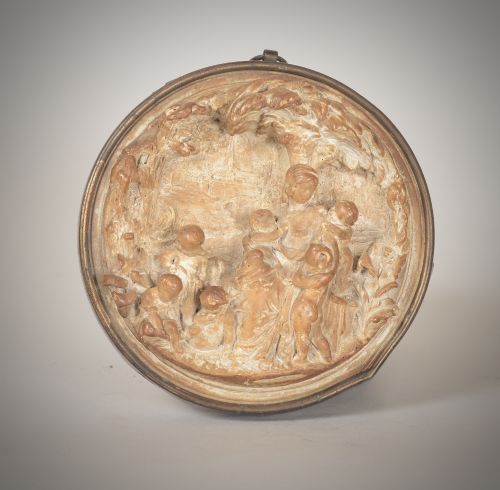
A bronze wall medallion plaque brings sculptural depth to interior spaces through circular and panel formats depicting notable figures, muses, and historical events. These works bridge the gap between fine art sculpture and decorative wall art, serving as focal points within domestic interiors.
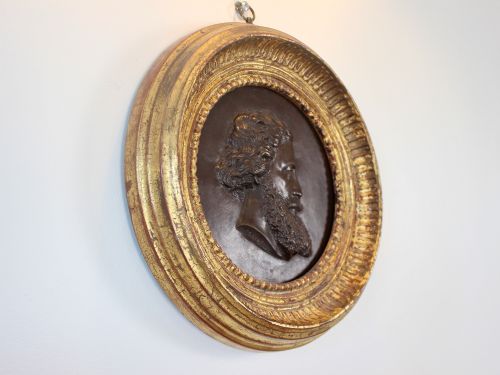
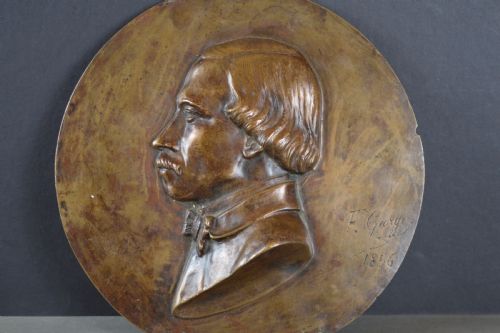
The selections available here lean heavily into nineteenth-century production, incorporating Victorian, Renaissance Revival, and French Empire aesthetics. Buyers frequently encounter portrait profiles of literary figures, monarchs, and classical personages mounted neatly in wood or brass frames.
Beyond pure bronze, the offerings extend to related copper, brass, cast iron, and plaster reliefs that share the same commemorative purpose. Exhibition medals and jubilee issues also populate the category, recording international expositions and royal celebrations in durable metal.
Materials and construction methods
Makers utilised traditional casting techniques to shape molten metal into crisp relief profiles and detailed figural scenes. Bronze and copper predominate, alongside occasional brass, cast iron, and cast lead finished with a bronzed surface.
Mounting and framing play an integral role in the presentation of these pieces, with turned mahogany frames, giltwood surrounds, and dedicated brass panels providing structural support and visual contrast.
Surface finishing relies on patination, where chemical treatments or natural ageing darken the recessed areas of the metal to accentuate the modelled details of hair, drapery, and lettering.
Current listings demonstrate a strong preference for nineteenth-century portraiture, utilising bronze, copper, and cast iron within wooden and brass frames.
Distinguishing quality in sculptural plaques
Signatures from established medallists and sculptors elevate specific plaques, as seen in works bearing distinct artist names or foundry stamps like Coalbrookdale. The presence of a documented maker links the decorative object directly to a known artistic hand or historic workshop.
Gustav Grohe·Coalbrookdale·J Lavergne·Mainfroy
The Bronze Wall Medallion Plaque Glossary
- Medallion
- A large medallion shaped plaque designed specifically for wall display rather than personal wear. These items usually feature commemorative subjects or portraits in high relief.
- Patina
- The surface coloration and sheen acquired by bronze or copper over time through oxidation and handling. This thin layer contributes significantly to the visual depth of the cast design.
- Relief
- Sculptural work where the figures project from a flat background surface. Categories range from low relief to high relief depending on how far the subject extends forward.
- Roundel
- A circular decorative panel or plaque. They frequently appear within turned wood frames in nineteenth-century domestic interiors.
- Grand Tour
- The nineteenth-century practice of young Europeans travelling the continent to collect classical antiquities and souvenirs. Plaster and bronze reliefs often served as portable reminders of these travels.
Bronze Wall Medallion Plaque: Frequently Asked Questions
How do I hang a bronze wall plaque safely?
Most heavy metal plaques rely on integrated suspension loops, rear wire arrangements, or fitted wooden frames with secure hanging fixtures. Ensure your wall anchor matches the combined weight of the metal and its mounting.
Distribute the load evenly and avoid hanging heavier cast iron or bronze pieces from simple picture hooks without proper wall plugs.
What is the difference between a medal and a plaque?
Medals are traditionally struck or cast for portable handling, often commemorating specific exhibitions, military victories, or sporting achievements. Plaques are created primarily as stationary wall art for interior decoration.
Larger exhibition medals frequently cross into the wall plaque category when fitted with custom suspension mounts or display frames.
How should I clean antique bronze?
Dust the surface gently with a soft dry brush to prevent particulate buildup within the recessed details of the relief. Avoid harsh chemical cleaners or abrasive polishes that strip away the historic patina.
Preserving the original surface coloration maintains both the aesthetic appeal and the historical integrity of the piece.
Are these plaques signed by artists?
Certain examples bear foundry marks, cast signatures, or inscribed names along the lower edge of the metal. These signatures identify the individual sculptor, the manufacturing firm, or the exhibiting foundry responsible for the casting.
Unsigned pieces remain common, often representing anonymous commercial production or commemorative issues from public exhibitions.
What periods do these pieces date from?
The available evidence points predominantly to nineteenth-century production, spanning the Victorian era through to the early twentieth century. Styles range from strict Neoclassical and French Empire revivals to later Art Deco commemorative issues.
Earlier nineteenth-century works frequently reflect Grand Tour tastes or international exhibition culture.