



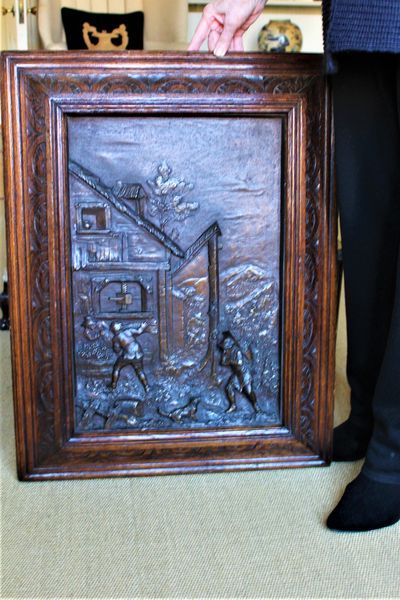

Victorian Bronze Relief Sculpture
These Victorian bronze relief sculpture pieces bring tactile historical depth to a wall, offering cast portraits, plaques, and heraldry from the nineteenth century.
Victorian Bronze Relief Sculpture
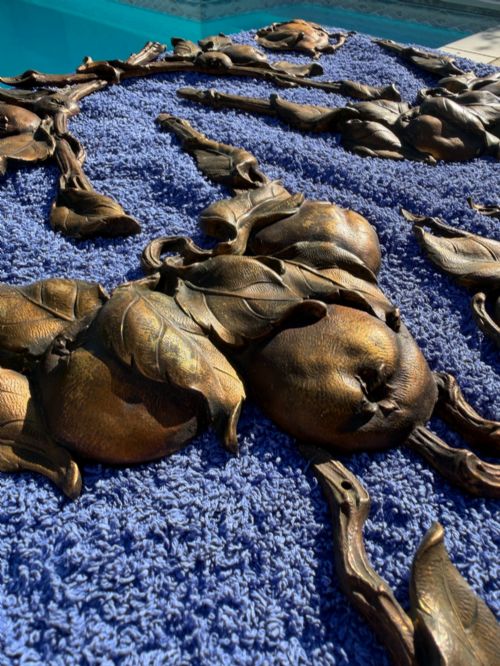
When you search for Victorian bronze relief sculpture, you encounter wall plaques, relief panels, and mounted portraits cast during the nineteenth century. The selection includes wall reliefs, furniture mounts, and heraldic sculptures spanning the Victorian era.
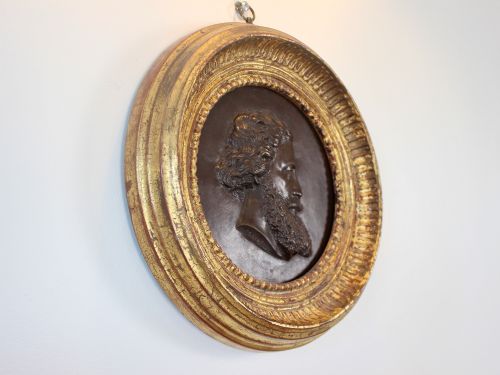
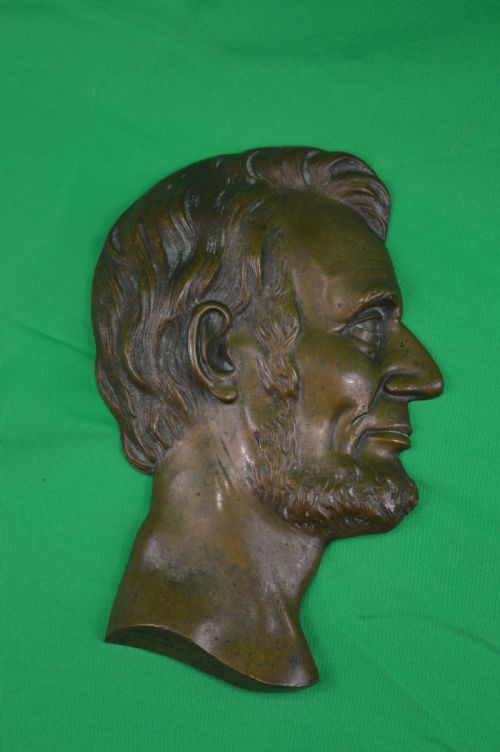
Most pieces date from the nineteenth century, including works from 1870 and 1890, representing classical, baroque revival, gothic, and neoclassical styles. Forms range from circular portrait plaques of literary figures and gentlemen to large coats of arms and mythological scenes.
Makers and schools recorded in the evidence include Coalbrookdale alongside individual signatures such as Poix Blin, Mainfroy, and English School pieces. Materials extend beyond standard bronze to include gilt bronze, bronzed copper, white metal, and mounted ebonised or mahogany wood frames.
Materials and casting methods
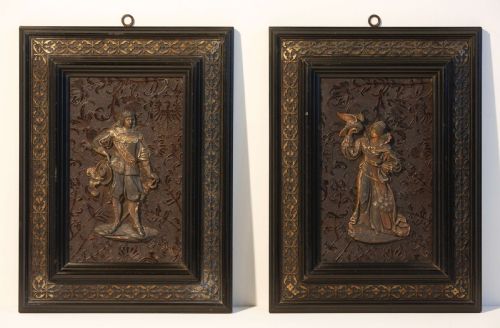
Foundries utilised bronze, gilt bronze, and bronzed copper to cast these relief sculptures, often mounting the metalwork onto wooden panels of mahogany or ebonised wood. Some examples combine white metal with gilded bronze to create contrasting tonal effects within the relief figures.
The casting process captured fine details in profile portraits, heraldic coats of arms, and figural scenes depicting Diana the huntress or historical figures. Finishing techniques included gilding, patination, and mounting the metal plaques securely onto timber backings for wall display.
Object types span wall plaques, furniture mounts, and heraldic sculptures in neoclassical and baroque revival styles.
Assessing quality in relief castings
The choice of materials and the integrity of the original mounting wood contribute significantly to the character of a piece. Signed works and items from known foundries like Coalbrookdale demonstrate distinct craftsmanship compared to unmarked pieces.
Poix Blin·Mainfroy·Coalbrookdale
The Victorian Bronze Relief Sculpture Glossary
- Relief
- Sculptural work where the figures project from a flat background. This technique creates a three-dimensional effect on wall plaques and panels.
- Gilt Bronze
- Bronze metal that has been coated with a thin layer of gold. This finish enhances decorative highlights on sculptural mounts and plaques.
- Applique
- An ornamental fitting applied to a larger surface, such as furniture or wall panels. These elements are frequently cast in bronze or gilt bronze.
- Coat of Arms
- A heraldic design displayed on a shield or panel. Such sculptures record lineage and institutional identity in cast metal.
- White Metal
- An alloy of relatively low melting point used in combination with gilded bronze. It provides a contrasting silver-toned element in relief plaques.
Victorian Bronze Relief Sculpture: Frequently Asked Questions
How were these wall reliefs displayed?
Many examples are mounted on wooden panels of mahogany or ebonised wood designed specifically for hanging on walls. Others served as architectural or furniture mounts.
The sturdy timber backing provided both structural support and a contrasting frame for the metalwork.
Who made these nineteenth century sculptures?
Production involved commercial foundries like Coalbrookdale alongside named artists and makers such as Mainfroy and Poix Blin. Many pieces also originate from unrecorded English and continental schools.
Signatures or foundry marks occasionally appear on the face or reverse of the bronze plaques.
How do I identify the style?
The styling reflects nineteenth-century revivals including neoclassical, baroque, and gothic motifs alongside classical and heraldic designs. Portrait subjects range from historical figures to mythological deities.
Examining the costume, framing, and lettering helps determine the specific period within the Victorian era.