
Dark Timber Wall Panel
A dark timber wall panel brings rich architectural depth into a room, offering centuries of hand-carved history and solid construction.
Dark Timber Wall Panel
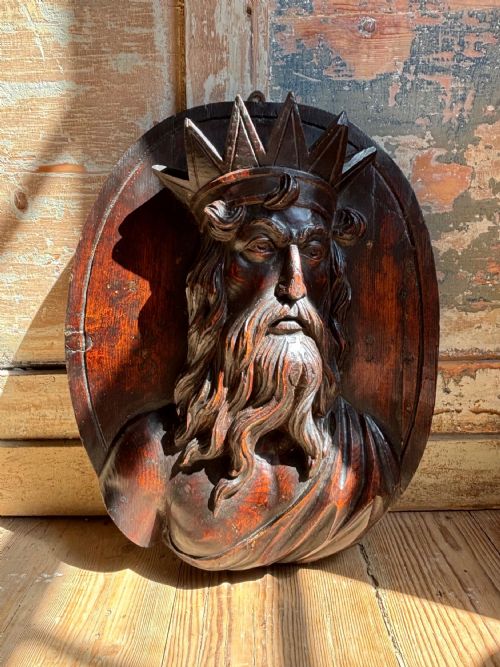
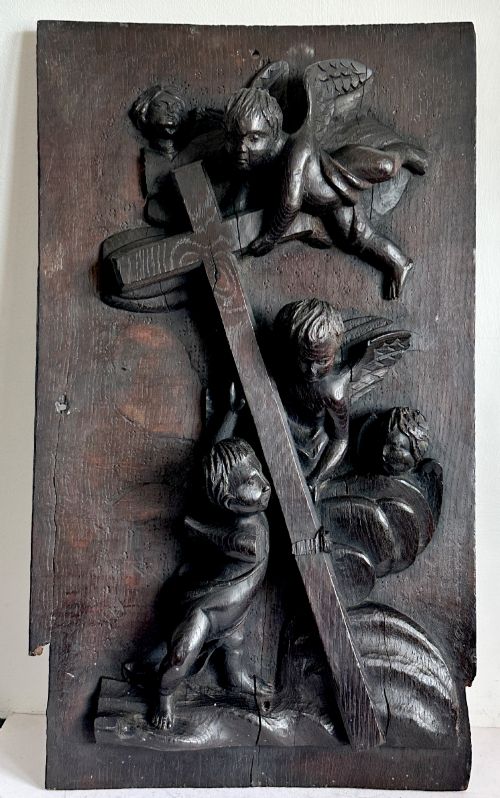
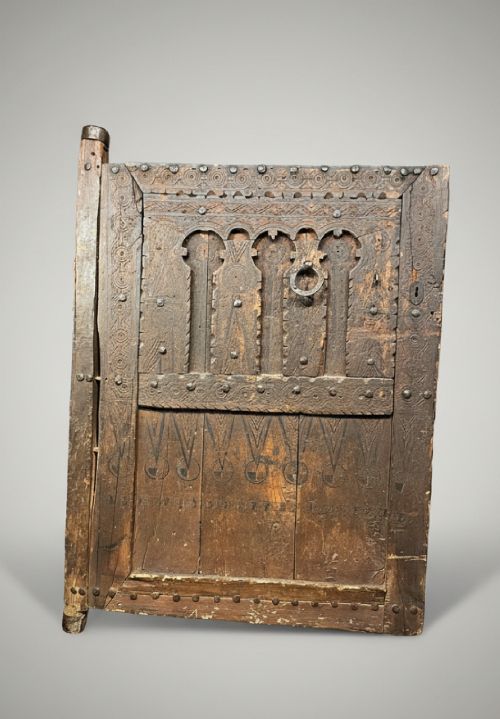
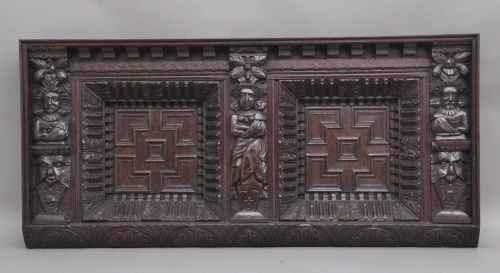
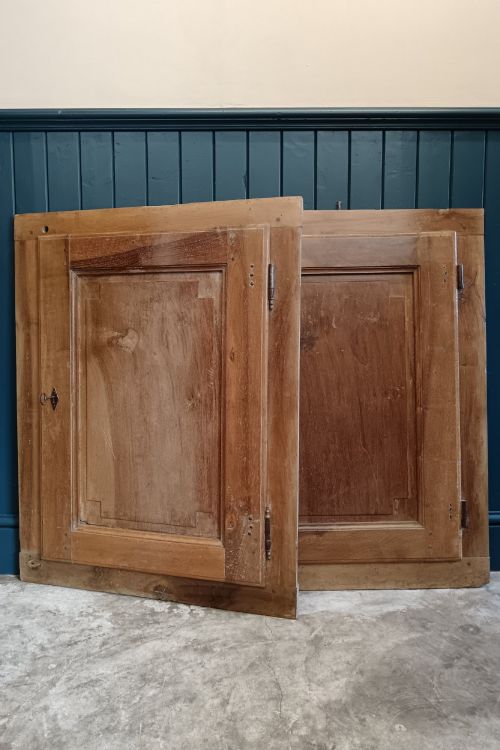
A dark timber wall panel encompasses architectural salvage, carved panels, and wall reliefs originating from periods spanning the sixteenth century through the Victorian era. When searching for a dark timber wall panel, buyers encounter architectural elements salvaged from European, Asian, and African structures, including coffer fronts, cupboard doors, and overmantles.
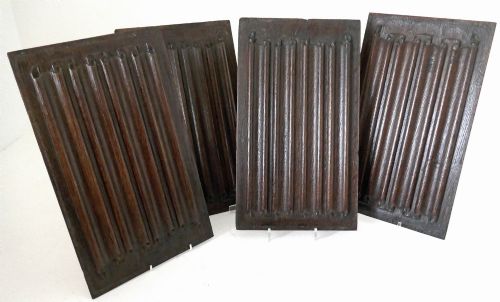
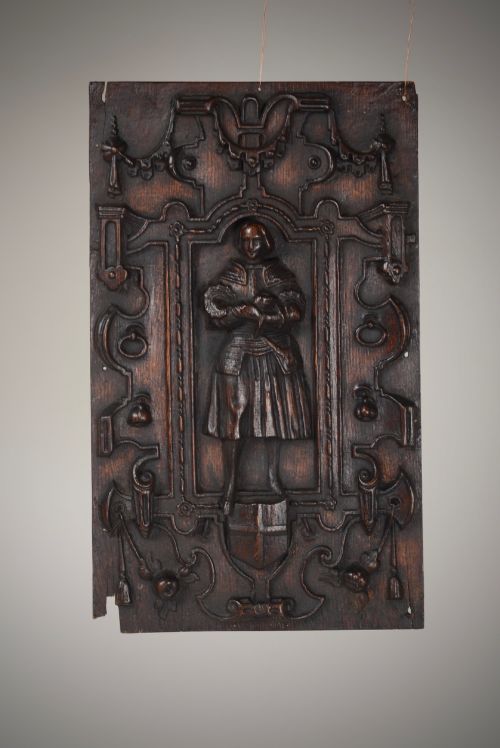
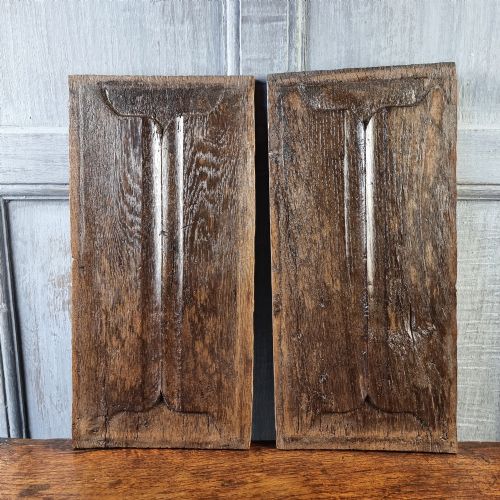
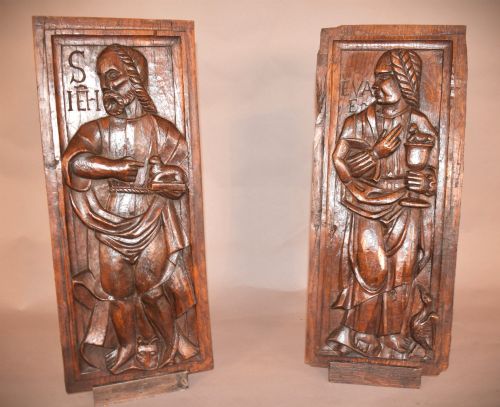
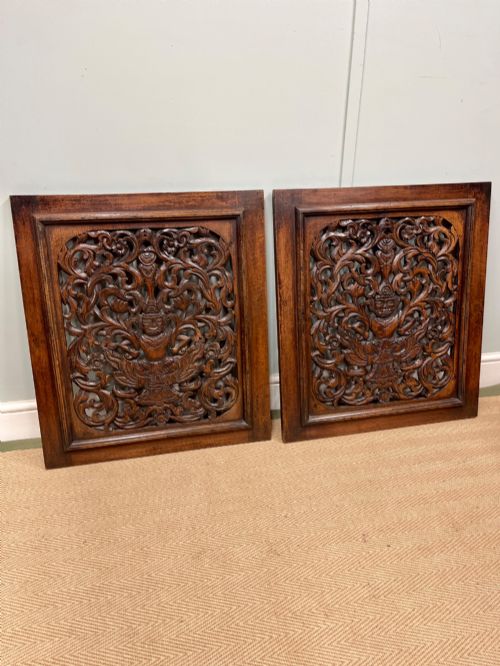
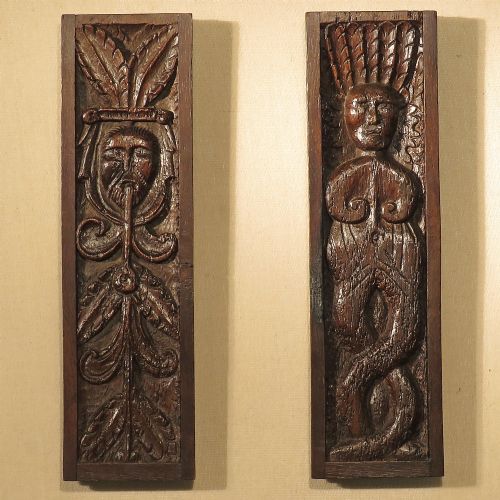
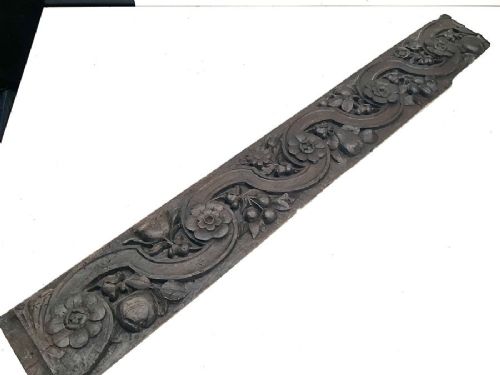
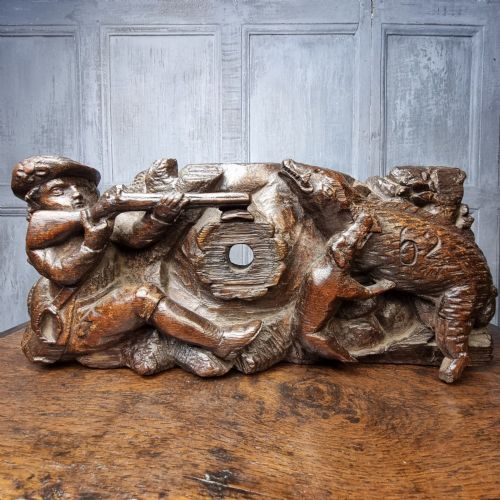
The pieces appearing on this page showcase diverse regional styles such as Tudor, Jacobean, Baroque, and Gothic Revival. Oak and walnut dominate the selection, often taking the form of linenfold designs, figural reliefs depicting figures like Joan of Arc or Neptune, and intricate acanthus leaf carvings.
Materials and technique
Craftsmen utilised dense hardwoods like English oak and walnut, selecting timbers that responded well to deep chisel work and hand carving. These materials provided the structural stability required for architectural elements meant to endure for centuries.
Joinery techniques involved traditional framing methods, utilising pegged mortise and tenon joints to secure heavy timber panels. Surface decoration relied entirely on hand-carved relief work, piercing, and surface detailing executed with specialised gouges and chisels.
Distinctions in quality
Historical integrity sets apart exceptional survivals, particularly when original surfaces, patination, and mountings remain intact without excessive later intervention. The complexity of the subject matter, such as multi-figure allegorical scenes or pierced acanthus friezes, generally indicates higher ambition in the original commission.
Edward Pearce·Hugues Sambin
The Dark Timber Wall Panel Glossary
- Linenfold
- A style of wood panel carving popular in the fifteenth and sixteenth centuries that imitates vertical folds of cloth or linen. It is commonly found on early oak coffer fronts and domestic wall panels.
- Overmantle
- A decorative architectural panel or framing structure placed directly above a fireplace mantel. These pieces frequently feature large figural reliefs, armorial bearings, or elaborate friezes.
- Parchemin
- A type of decorative wood panel carving resembling parchment or rolled paper with folded edges. This technique creates a distinct three-dimensional surface texture on medieval and Renaissance woodwork.
- Terme
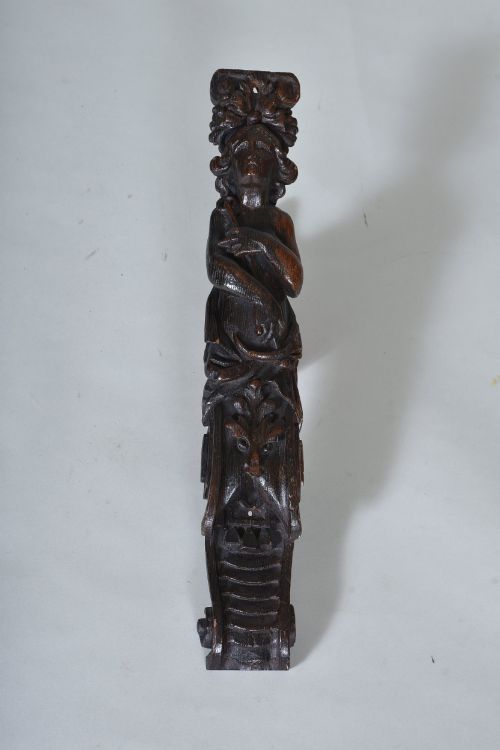
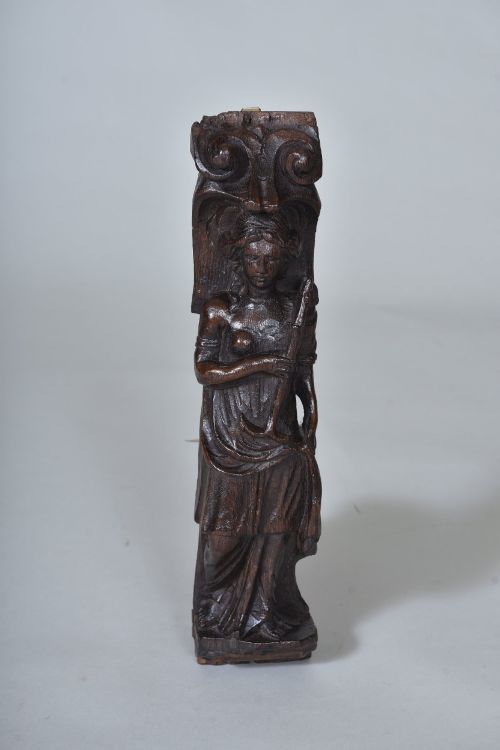
- A tapering pillar or pedestal that terminates in a bust or upper human figure at the top. Originating in classical architecture, these figures often support cornices or upper friezes.
- Green Man
- A sculptural architectural motif representing a human face surrounded by or entwined with foliage and vines. It symbolizes rebirth and appears frequently in medieval and Gothic Revival wood carvings.
Dark Timber Wall Panel: Frequently Asked Questions
How do I hang a heavy wooden panel?
Heavy architectural panels require secure wall mounting using integrated fixing brackets or custom battens screwed directly into masonry or wall studs. Because these timber pieces carry considerable weight, professional installation is strongly advised to support the load safely.
Ensure the weight is distributed evenly across the hanging hardware to prevent warping or stress fractures in the aged wood over time.
Are these panels from old buildings?
Many examples originate as architectural salvage taken from historic European and international interiors, including manor houses, churches, and civic buildings. They frequently served as wainscoting, cupboard doors, or structural overmantles before being removed for preservation.
This provenance accounts for their varied formats, ranging from frieze sections and door leaves to complete wall plaques.
How do I clean antique carved wood?
Maintenance requires only gentle dusting with a dry, soft brush to lift debris from deep recesses without disturbing the historic wax or surface patina. Avoid using water, modern polishes, or harsh chemical cleaners, which can strip the aged finish and damage the timber.
Occasional application of microcrystalline wax helps protect dry hardwood surfaces when applied sparingly and buffed thoroughly.
How can I tell sixteenth-century oak apart?
Sixteenth-century panels typically display distinct medullary rays, known as silver grain, visible in quartersawn oak alongside signs of hand-hewing and primitive tool marks. The construction usually employs pegged joinery and dense, darkened timber developed through centuries of oxidation.
Stylistic indicators such as early linenfold motifs or Tudor proportions further anchor these pieces securely in the sixteen hundreds and earlier.