

19th Century Gilt Bronze
These pieces of 19th century gilt bronze bring French revival splendour and heavy metallic presence to a room.
19th Century Gilt Bronze
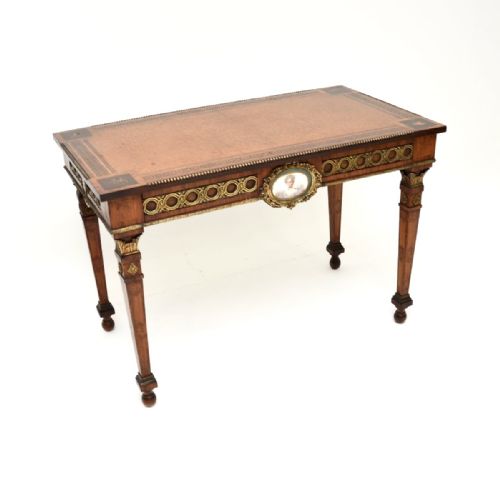
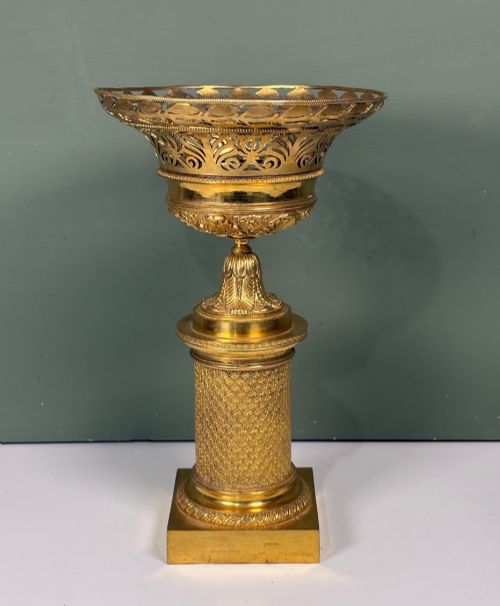
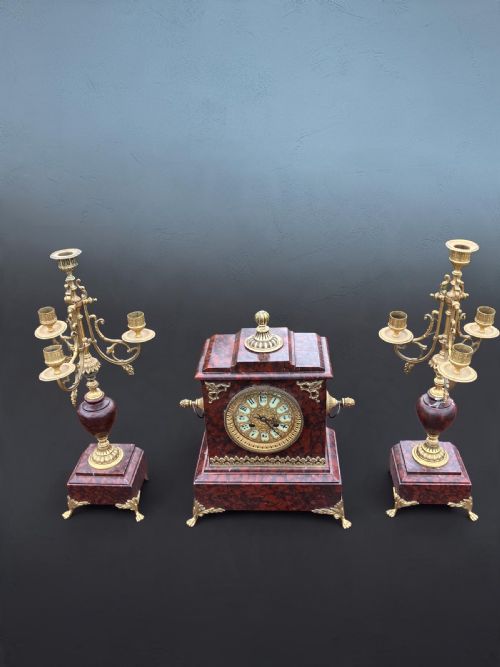
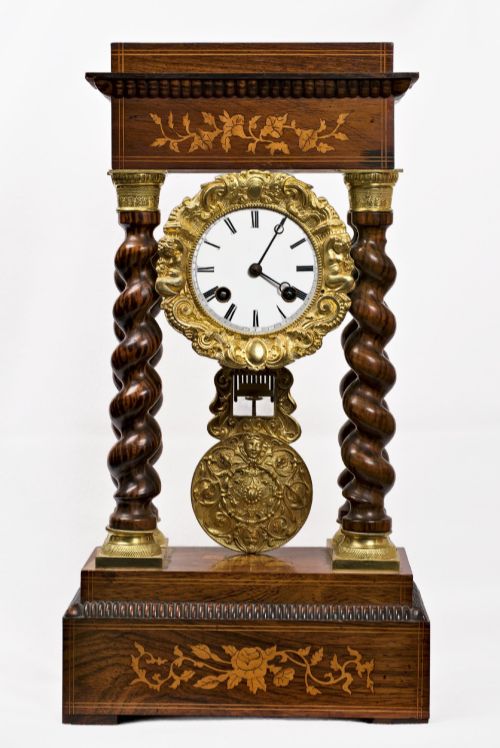
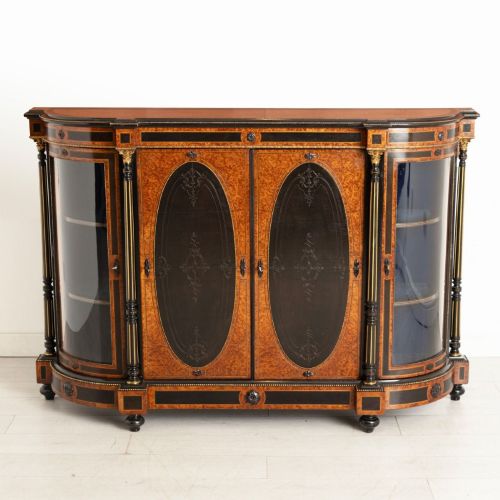
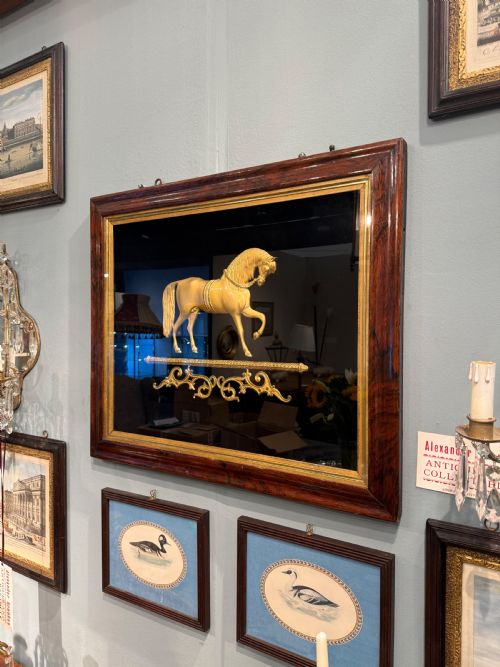
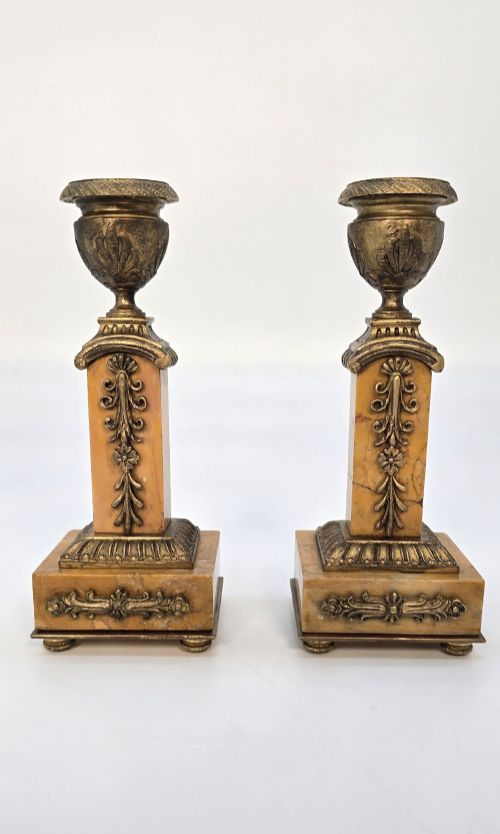
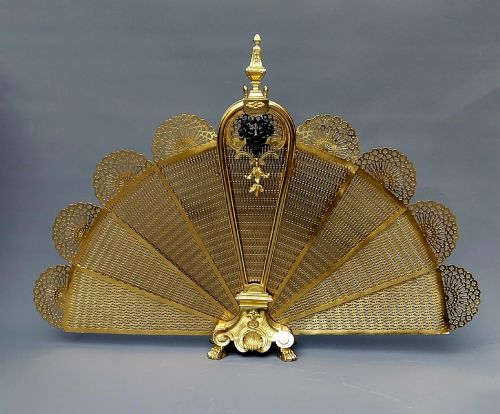
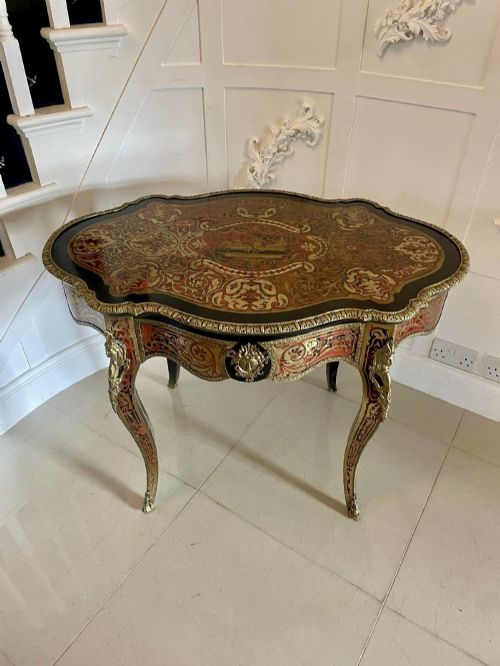
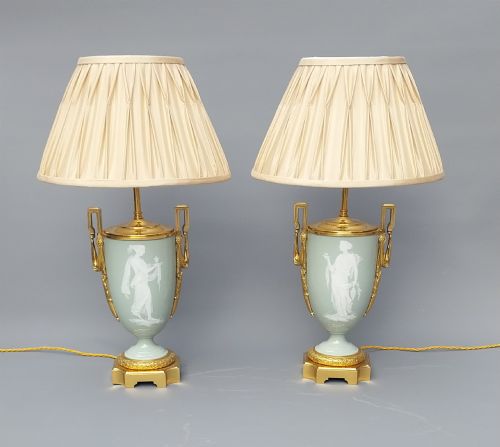
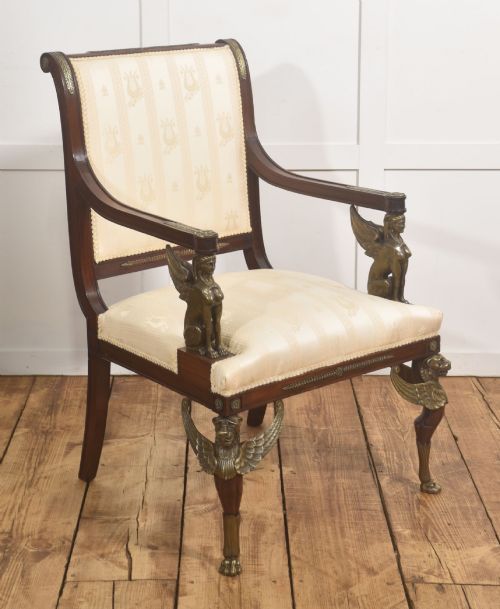
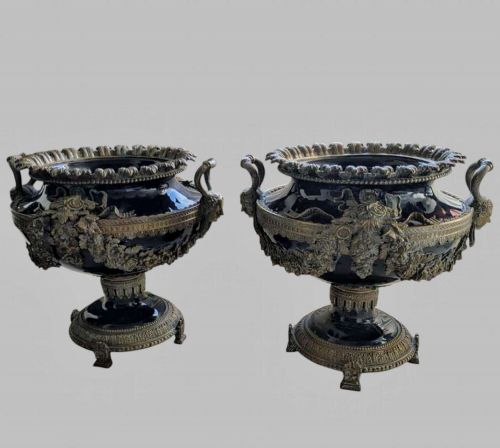
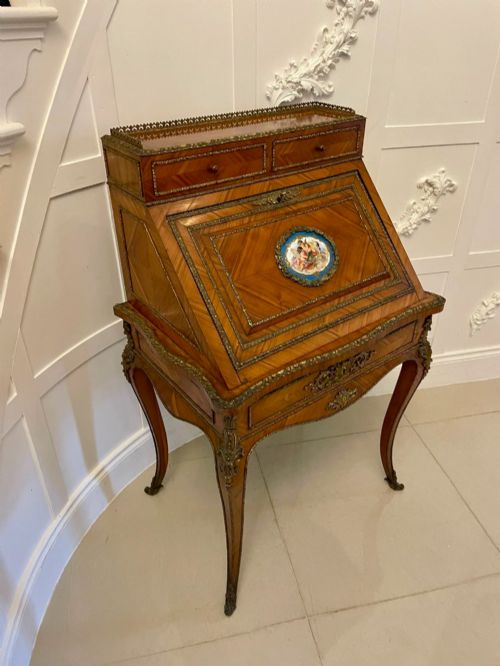
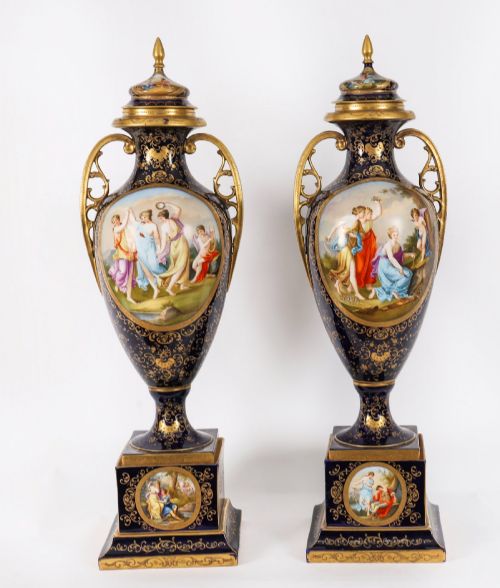
When you search for 19th century gilt bronze, you encounter ornamental objects, lighting and furniture mounts created during revivalist periods in France. The most common forms on this page include mantel clocks, candlesticks, centre tables and mounted cabinetry.
Makers and workshops across the century drew heavily on Louis XV, Louis XVI and Empire vocabularies. These designs combine heavy metallic casting with contrasting materials such as marble, porcelain and exotic woods.
How they were made
Foundries produced these items using traditional metal casting techniques, subsequently applying a fine layer of gold amalgam to the bronze surface through fire gilding or electroplating. This created a durable, lustrous finish that resisted tarnishing.
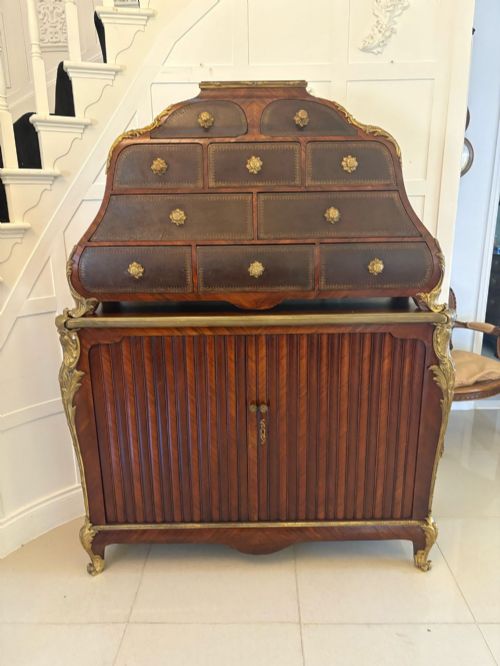
Craftsmen integrated these gilded metal mounts onto structural carcasses of walnut, kingwood and mahogany, often pairing the bronze with Carrara marble, Sevres porcelain plaques or cut glass.
Several items combine Bacchus cherubs, secret liqueur sets, and tiny porcelain pill boxes.
What varies in quality
The choice of secondary materials dictates overall merit. Pieces incorporating genuine Carrara or Sienna marble bases, hand-painted porcelain panels and dense kingwood veneers command greater regard than simpler brass or mahogany alternatives.
Bouhon Frères·Jean-Baptiste Delettrez·Edward Holmes Baldock·Poix Blin·Gillows
The 19th Century Gilt Bronze Glossary
- Ormolu
- A gold-coloured bronze alloy used for decorative mounts and objects. It requires expert mercury gilding or electrogilding to achieve its characteristic warm sheen.
- Champlevé
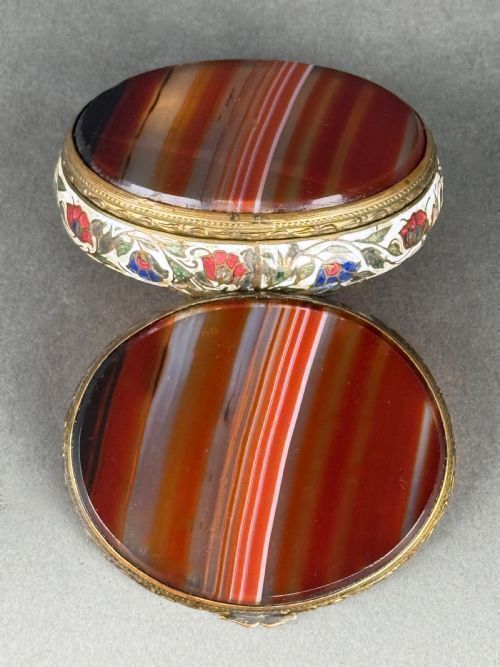
- An enamelling technique where troughs are dug into a metal surface and filled with vitreous paste before firing. This method creates rich colourful patterns across boxes and tazzas.
- Cartonnier
- A desktop cabinet designed to hold papers and documents. These pieces frequently feature elaborate gilt bronze mounts framing panels of kingwood or marquetry.
- Boulle
- A style of marquetry using brass and tortoiseshell inlaid into furniture. It appears alongside ormolu mounts on grand French centre tables and cabinets.
- Guéridon
- A small circular table supported by a central column or multiple legs. These often showcase gilt bronze appliques and marble tops.
19th Century Gilt Bronze: Frequently Asked Questions
How do I clean gilt bronze?
Dust surfaces gently with a soft, dry brush to prevent accumulation in recessed chasing. Avoid abrasive commercial metal polishes that strip the thin layer of gold.
Moisture can damage underlying bronze and associated materials like porcelain or marble. Consult a professional restorer if deeper cleaning becomes necessary.
What is the difference between ormolu and gilt bronze?
Ormolu and gilt bronze refer to the same fundamental material composition. Ormolu specifically denotes the historic French practice of applying finely ground gold mercury amalgam to bronze.
Later Victorian production frequently utilised electroplating techniques. Both terms describe the golden metallic finish seen on these decorative objects.
How can I tell Louis XV revival from Empire style?
Louis XV revival pieces display asymmetrical curves, naturalistic scrolling foliage and playful rococo motifs. The lines feel organic and fluid across clocks and fire screens.
Empire style draws on strict neoclassical symmetry, Roman military motifs and heavy architectural proportions. These items favour disciplined geometry over exuberant floral flourishes.
Where were these items originally placed?
These decorative objects inhabited formal salons, libraries and dining rooms of grand nineteenth-century residences. Candlesticks and candelabra illuminated mantelpieces and dining tables.
Cabinets and centre tables served as functional display surfaces for porcelain and curiosities. Their heavy gilt mounts projected status and refined taste.