



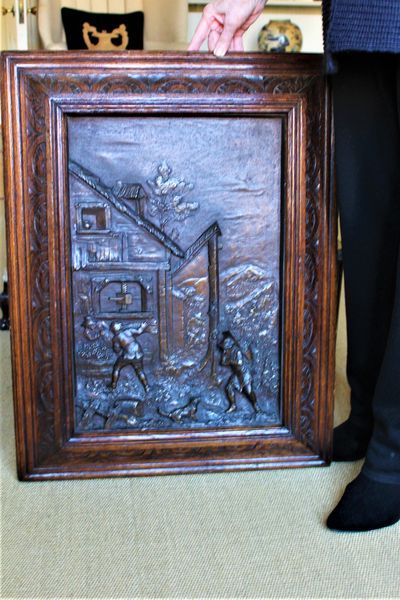
Bas Relief Sculpture
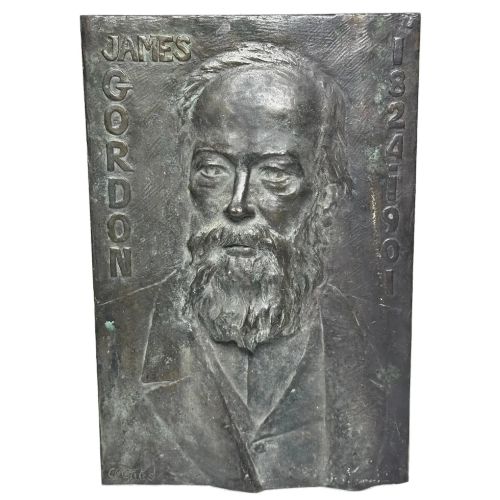
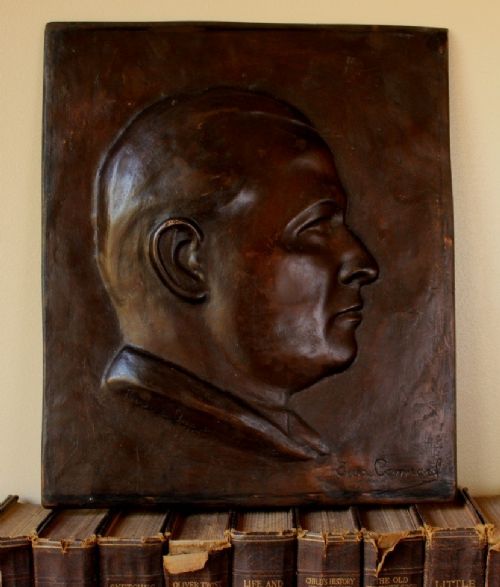
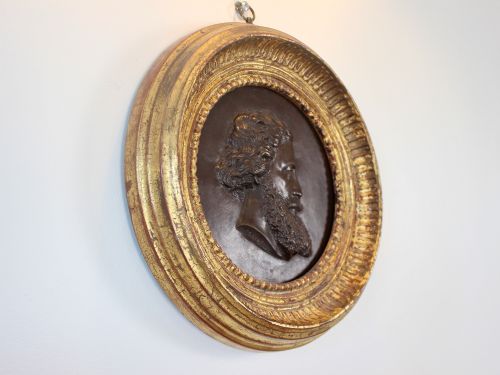
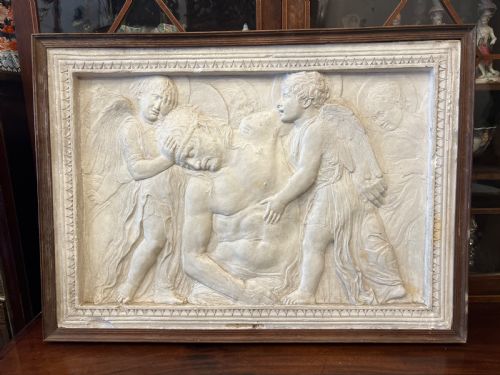
These bas relief sculpture pieces bring classical figures and portraits to a wall, offering depth and texture that flat paintings lack.
Bas Relief Sculpture
A bas relief sculpture projects only modestly from its background plane, creating a distinct sense of depth while remaining firmly attached to a panel or wall. Buyers searching for bas relief sculpture usually encounter wall plaques, panels and mounted pieces intended for interior display rather than freestanding statuary.
The selections span several centuries and styles, ranging from 18th century bronze plaques depicting religious scenes after Gian Federigo Bonzagna to 19th century classical and Victorian neoclassical portraits. Edwardian pieces and 1920s Art Deco copper or bronze works also appear regularly.
Most examples function as wall art or wall plaques, often cast in bronze, bronzed copper or plaster, though carved stone, marble and giltwood examples also exist. The forms focus heavily on portraits of gentlemen, saints, muses with putti, and mythological subjects like Diana the huntress.
Materials and Craftsmanship
Bronze casting dominates the available material record, alongside bronzed copper and plaster, capturing fine facial details and lettering. Founders and sculptors utilised traditional casting and chasing techniques to produce crisp outlines on portrait plaques and figural panels.
Plaster copies and early maquettes demonstrate how sculptors tested compositions before committing to metal. Carved stone and marble reliefs rely on reduction and chiselling directly into the dense material.
Frames in giltwood or mounted wooden panels often support the metal and plaster plaques, completing the wall presentation.
Materials across these listings include bronze, plaster, wood, giltwood, copper, carved stone, gilded wood and glass.
Quality Variations
The clarity of the cast defines the upper tier of bronze and copper plaques, where the artist's chisel work and signature remain sharp. Signed works by documented sculptors carry greater authority than unmarked copies.
The quality of the material preparation and the richness of the patina influence the visual impact of metal reliefs. Finer examples display subtle tonal variations across the surface rather than flat, uniform finishes.
Alice Gates·Eugene Canneel·Gian Federigo Bonzagna·Kasper Hendrik Roskam
The Bas Relief Sculpture Glossary
- Bas relief
- Sculpture in which the figures project slightly from the background plane, rather than standing fully in the round. This technique has been employed since antiquity for architectural decoration and portable plaques.
- Maquette
- A small preliminary model or sketch made by a sculptor in wax, clay or plaster before executing the final work. These trial pieces reveal the initial thought process of the maker.
- Patina
- The surface sheen and coloration developed on metal through age or chemical treatment. Collectors value a natural, undisturbed patina for its historical depth.
- Plaster
- A composition of gypsum, water and other ingredients cast in moulds to create sculptural reliefs. Plaster copies often served as study pieces or affordable alternatives to bronze.
- Putto
- A representation of a human infant, usually winged, appearing frequently in Renaissance and neoclassical decorative art. These figures add movement and narrative context to primary subjects.
Bas Relief Sculpture: Frequently Asked Questions
How do I hang a heavy bronze relief plaque?
Most heavy bronze and marble plaques require secure wall anchors and appropriate load-bearing picture wire or dedicated wall brackets screwed directly into masonry or studs.
Avoid relying on simple picture hooks for solid cast metal or stone panels due to their considerable weight.
Are these reliefs intended for outdoor use?
The pieces recorded here are primarily interior wall art, plaques and decorative panels designed for domestic rooms.
Exposing antique plaster, giltwood or patinated copper to outdoor weather conditions will cause rapid degradation.
How do I distinguish plaster from bronze?
Plaster feels lighter, feels cooler and has a chalky texture where surface chips occur, whereas bronze is heavy and metallic to the touch.
Some plaster pieces receive a metallic bronze coating to simulate cast metal, known as bronzed plaster.
What is the difference between a plaque and a sculpture?
Plaques are flat-backed panels designed specifically for mounting on walls or furniture, featuring shallow relief carving.
Sculptures in this context generally refer to shaped relief panels or figural compositions rather than fully three-dimensional statues.