
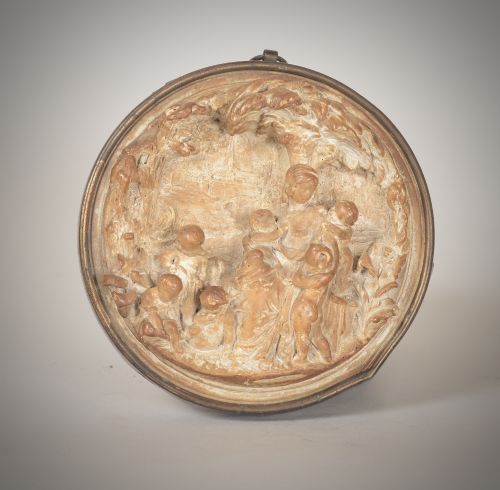


Neoclassical Bronze Plaque
A neoclassical bronze plaque brings classical history directly to your wall, offering relief sculpture rooted in antiquity.
Neoclassical Bronze Plaque
A neoclassical bronze plaque represents classical motifs, mythological figures, and historical scenes cast in metal.
Buyers encounter wall plaques, decorative plates, and relief sculptures spanning the eighteenth and nineteenth centuries.
Origins include Grand Tour souvenirs, architectural salvage, and classical revival workshops from France and Britain.
Materials and construction
Items are cast in bronze, brass, or gilt metal, often mounted on wood or framed in velvet.
Alternative pieces utilise plaster with paint or gilt finishes to emulate heavier metal castings.
Workshops employed traditional foundry methods to achieve detailed classical relief decoration.
Current listings feature pieces spanning the eighteenth century through to the late nineteenth century.
Judging quality and execution
Lesser pieces show soft casting lines and blurred ornamentation that obscure the narrative scene.
Coalbrookdale
The Neoclassical Bronze Plaque Glossary
- Grand Tour
- A cultural journey undertaken by wealthy young Europeans to visit classical antiquities. Souvenirs bought along the way heavily influenced nineteenth-century domestic interiors.
- Putto
- A figure of a small infant, frequently winged, appearing in classical and neoclassical art. These motifs originate from classical mythology and Renaissance revivals.
- Maquette
- A small-scale preliminary model or sketch for a larger sculpture. Artists use these to test compositions before committing to full production.
- Frieze
- A broad horizontal band of sculpted or painted decoration, often placed near ceilings or incorporated into fireplace surrounds.
Neoclassical Bronze Plaque: Frequently Asked Questions
What is a neoclassical bronze plaque?
It is a cast metal relief panel depicting subjects from ancient mythology, history, or classical art.
These pieces were produced mainly during the eighteenth and nineteenth centuries as decorative wall art or architectural ornaments.
How were these plaques used?
Owners mounted them on walls, integrated them into fireplace surrounds, or displayed them on furniture.
Many originated as Grand Tour souvenirs brought back to decorate British and European homes.
How do I date a bronze plaque?
Dating relies on patination, casting quality, mounting materials, and stylistic cues from the period.
Nineteenth-century pieces often reflect revival movements inspired by earlier classical and archaeological discoveries.
Are plaster and bronze plaques related?
Plaster reliefs and plaster casts were frequently produced alongside metal plaques during the Grand Tour era.
Both served to disseminate classical sculpture designs to collectors who could not acquire original antiquities.