




Carved Portrait Plaque
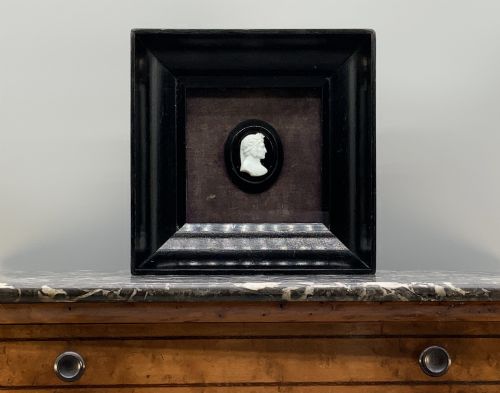
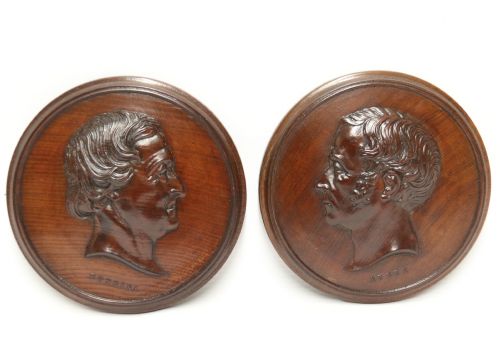
These carved portrait plaque examples capture historical figures and literary greats in marble, wood, ivory, and porcelain.
Carved Portrait Plaque
A carved portrait plaque offers a direct encounter with historical personalities, literary figures, and classical emperors rendered in low relief. When browsing for a carved portrait plaque, the most common encounters involve nineteenth-century Italian marble profiles, Grand Tour souvenirs, and carved wooden reliefs.
The objects take several forms, appearing as framed wall art, tabletop ornaments, and wall plaques mounted in timber or metal. Pieces range from eighteenth-century examples to later nineteenth-century interpretations in porcelain and bronze.
Makers and workshops across Europe produced these works using diverse regional materials, uniting classical revival tastes with domestic display. Each carved portrait plaque serves as both a sculptural relief and a record of portraiture from past centuries.
Materials and construction methods
Makers carved these portrait reliefs from white marble, dense mahogany, oak, fruitwood, and ivory, occasionally mounting porcelain or shell cameos in precious metals. The selection of material often dictated the depth of the carving and the eventual framing style.
Workshops utilised hand chisels and fine abrasives to achieve the smooth contours of marble profiles and the intricate detailing of wood and ivory. Painted porcelain variations involved firing mineral pigments onto ceramic plaques before securing them within carved wooden frames.
Materials represented in these listings span marble, mahogany, ivory, porcelain, bronze, and stone across the eighteenth and nineteenth centuries.
Distinctions in quality
The distinction between ordinary and superior work lies in the crispness of the profile and the depth of the undercut relief. Master carvers captured likenesses with anatomical precision, whereas lesser pieces rely on shallow, generalised cutting.
Material selection and mounting execution further define the standard of the piece, from finely grained Italian marble to standard hardwoods. Signed works by documented sculptors and established manufactories command greater recognition for their provenance.
R Pernice·Thorvalsen Workshop·Kasper Hendrik Roskam·KPM Porcelain
The Carved Portrait Plaque Glossary
- Bas-relief
- A sculptural technique where the figures project only slightly from the background plane. This method was widely used for marble and metal portrait plaques.
- Grand Tour
- A cultural journey undertaken by European elites in the eighteenth and nineteenth centuries. Souvenirs from these travels frequently included carved marble cameos and profile plaques.
- Cameo
- A method of carving an object such as carved shell or stone where a raised image stands out from a background of a different colour. These often appeared mounted in gold for tabletop display.
- Profile
- A side view representation of a human head or bust. This format dominates classical portrait plaques and historical reliefs.
Carved Portrait Plaque: Frequently Asked Questions
How were carved portrait plaques displayed?
Most pieces were hung directly on walls as framed art or mounted on wooden panels for domestic display. Tabletop ornaments and smaller cameos rested on specialised stands or fitted desks.
Larger marble reliefs often featured hanging loops or integrated brackets, while portable items remained housed in fitted presentation cases.
What subjects appear on these plaques?
Portraits commonly depict classical Roman emperors, literary figures like Dante and Virgil, and historical monarchs such as Queen Louise of Mecklenburg-Strelitz. Nineteenth-century examples also celebrate composers and political figures of the era.
Artists frequently reproduced classical antiquity themes alongside contemporary notables, reflecting the prevailing tastes of Grand Tour travellers.
How can I tell marble from other materials?
Marble displays a cool surface temperature and subtle natural veining beneath polished relief surfaces. Wood and ivory exhibit distinct organic grain patterns and lighter weights under examination.
Porcelain and glass provide smoother, non-porous finishes with characteristic glaze or vitreous sheens distinct from carved stone.
Are these plaques signed by artists?
Certain examples bear signatures or workshop stamps from notable sculptors and porcelain factories such as KPM. These signatures typically appear near the lower edge of the relief or on the reverse.
Many period pieces remain unsigned, reflecting standard workshop production rather than individual studio attribution.