



Classical Relief Plate
A classical relief plate brings mythological figures and antique motifs directly into a room, offering the sculptural weight of bronze or silver plate.
Classical Relief Plate
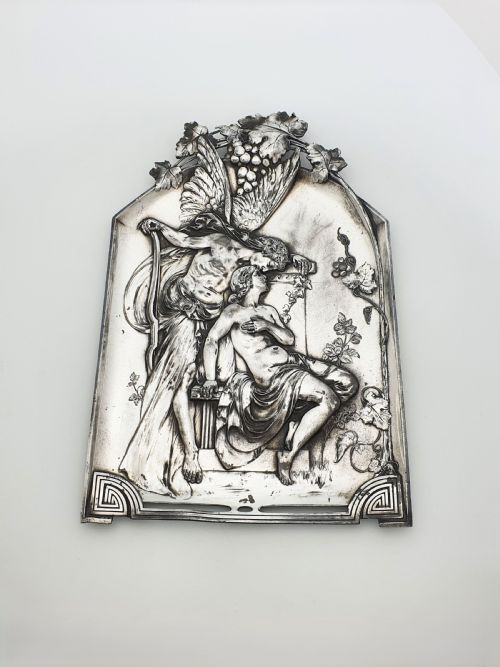
A classical relief plate encompasses decorative metal vessels, plaques and platters adorned with sculpted neoclassical or revivalist imagery. These objects draw inspiration from antiquity, featuring scenes of Greek gods, mythological figures and classical ornamentation.
Buyers will encounter items ranging from nineteenth century bronze platters and electrotype dishes to wall plaques produced around nineteen hundred. The selection includes grand tour souvenirs alongside domestic display pieces rooted in the Victorian classical tradition.
Forms vary from large cast metal plates and tazzas to framed wall plaques and decorative platters. Each piece utilises low or high relief casting to bring historical narratives into nineteenth and early twentieth century interiors.
Materials and Technique
Metalworking dominates these pieces, utilising bronze, cast iron and silver plate applied over base metals. Artisans employed casting and electrotyping techniques to achieve sharp, detailed sculptural surfaces.
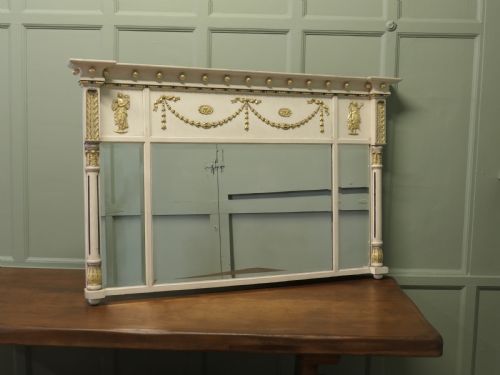
Giltwood, gesso and paper also appear across related decorative forms, while ceramic works utilise specialised layering methods like pate sur pate. The combination of metal casting and surface patination defines the sculptural quality of the relief work.
Materials represented include bronze, silver plate, cast iron, glass, paper, gesso and ceramic.
Assessing Quality
The choice of medium and the integrity of the silver plating or bronze patination dictate the standing of a piece. Superior manufacture shows balanced composition and strong proportions that reflect the rigorous standards of nineteenth century workshops and grand tour production.
Henry Bourne·Elkington and Co·WMF·Mintons·Wedgwood
The Classical Relief Plate Glossary
- Electrotype
- A metal object produced by electrodepositing silver or copper onto a mould. This nineteenth century technique allowed makers to replicate intricate classical designs with high precision.
- Grand Tour
- A cultural journey undertaken by wealthy young Europeans to view continental antiquities. Pieces acquired on these trips often featured classical decoration and bronze relief work.
- Neoclassical
- A style reviving the art and architecture of ancient Greece and Rome. It dominates nineteenth century design through symmetrical forms and mythological motifs.
- Tazza
- A shallow saucer-like dish mounted on a stem and foot. These vessels frequently served as decorative display pieces in silver plate or bronze.
- Pate sur pate
- A ceramic decorating technique where wet white slip is built up in layers on a coloured body. This process creates a low-relief cameo effect on porcelain and pottery.
Classical Relief Plate: Frequently Asked Questions
How do I date a bronze relief plate?
Dating relies on stylistic markers such as nineteenth century revival aesthetics, manufacturing techniques like electrotyping, and patination. Examining the method of metal casting helps establish the period of production.
Makers' marks and stamps also provide concrete evidence to narrow down the decade of creation.
Where were these metal plates displayed?
These pieces were typically displayed on walls as plaques, mounted on sideboards, or showcased on tables using stands. Grand tour souvenirs and decorative dishes formed part of disciplined interior displays in Victorian homes.
They added a scholarly and classical atmosphere to libraries, drawing rooms and studies.
What metals are used in these pieces?
Makers utilised bronze, cast iron, and various grades of silver plate over base metals. Electrotyping was frequently employed to achieve detailed metallic relief surfaces.
These materials provided the durability and weight required for deep sculptural casting.