
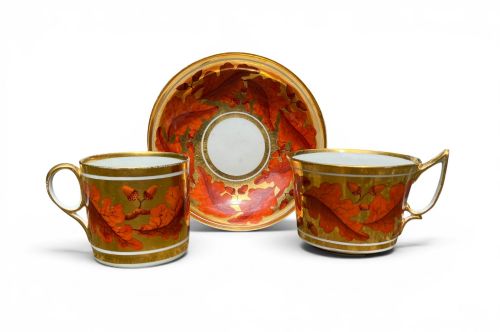


Antique Crown Derby China
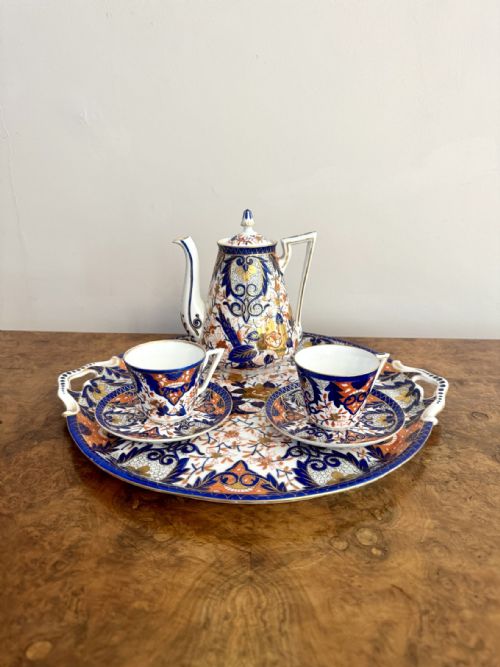
These pieces of antique crown derby china bring vibrant palette work and rich gilding directly to the table.

Antique Crown Derby China
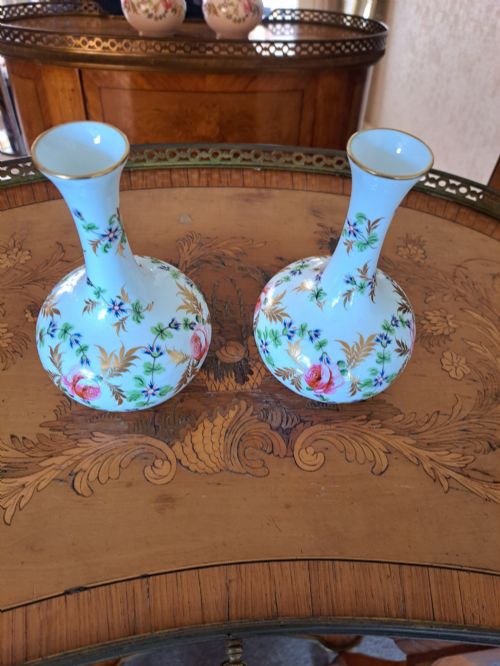
When you search for antique crown derby china, you encounter diverse porcelain forms spanning utilitarian tea wares to decorative cabinet displays. The selection ranges from Georgian figures and Regency trios to Edwardian bud vases and dessert services.
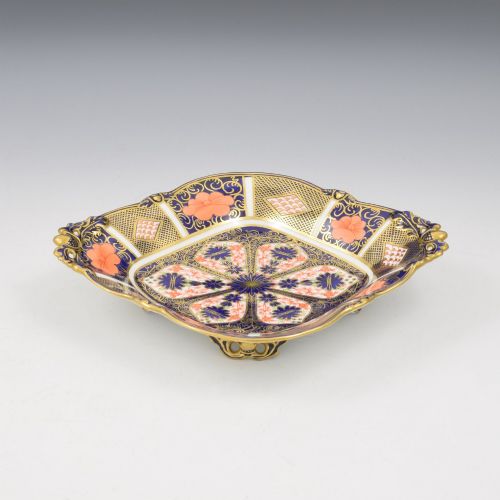
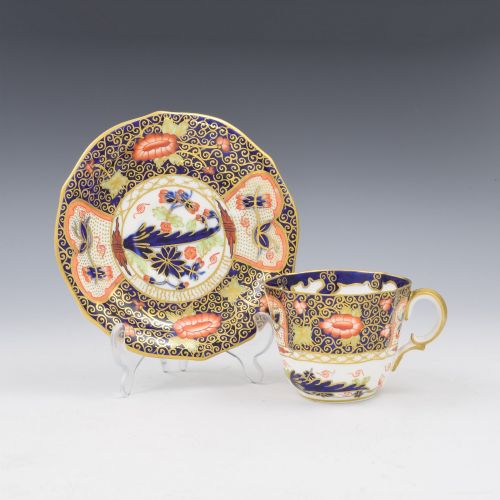
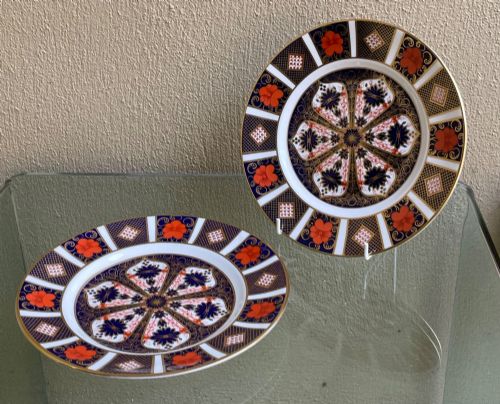
You are most likely to meet Imari pattern plates, cups, and small service dishes produced across the Victorian, Edwardian, and early twentieth-century periods. These items combine functional tableware with intricate hand-painted motifs intended for display.
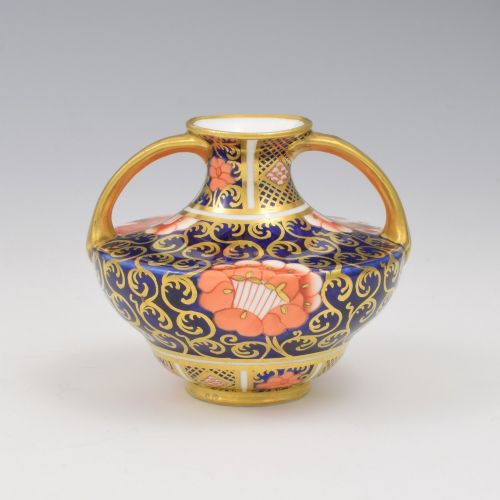
The category encompasses specialised serving pieces such as comports, miniature irons, lemonade beakers, and twin-handled urns. Each object reflects the shifting domestic tastes and decorative requirements of British households over two centuries.
How antique crown derby china was made
Manufacturers utilised fine bone china and hard-paste porcelain as the primary body for moulding vessels, plates, and decorative figures. Artisans shaped these clay and mineral mixtures before initial kiln firing to create a durable white ceramic base.
Painters applied cobalt blue and iron red enamel pigments by hand beneath or over the glaze to form characteristic geometric and floral patterns. Skilled decorators then added gold leaf, gilding, and gilt highlights to enrich borders and central motifs before final firing.
Antique Crown Derby China Retail Price Guide 2026
Typical asking prices for crown derby china among the pieces listed under this phrase on Sellingantiques today, from the lower quarter to the upper quarter. They describe what is for sale here now, not the wider market.
The inventory includes functional tableware alongside decorative items such as miniature flat irons, lemonade beakers, and figural flower sellers.
What varies in quality
The standard of antique crown derby china rests on the precision of the hand painting and the density of the gilding. Superior examples display crisp cobalt and iron-red enamel lines executed without bleeding or smudging across the porcelain body.
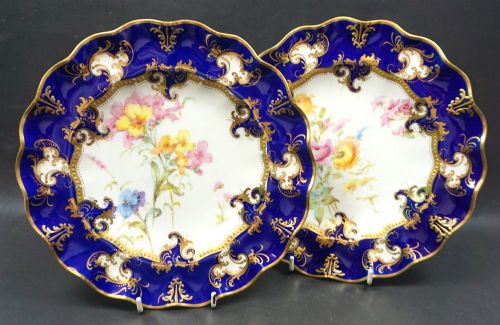
Artistic execution of individual painted scenes, such as those signed by specific decorators, elevates certain cabinet plates and vases above standard production wares. The complexity of the moulded form, seen in pierced serving trays or figural sculpture, also dictates the tier of the piece.
John Ford Edinburgh·Albert Gregory·F Garnett
The Antique Crown Derby China Glossary
- Imari Style
- A decorative scheme employing deep cobalt blue, iron red, and heavy gilding inspired by Japanese export ceramics. This palette remains a defining characteristic of the factory's output.
- Bone China
- A type of soft-paste porcelain incorporating bone ash into the clay mixture. This composition provides increased strength and a bright white ground for enamel colours.
- Gilding
- The application of gold leaf or gold paint to ceramic surfaces. It highlights rims, handles, and intricate pattern borders.
- Comport
- A raised dish or bowl used for serving fruit or dessert courses. These pieces often anchor larger ceramic services.
- Trio
- A matching set comprising a teacup, a saucer, and a matching side plate. They appear frequently in nineteenth-century cabinet and table collections.
Antique Crown Derby China: Frequently Asked Questions
How do I date crown derby china?
Dating relies on identifying factory backstamps, pattern numbers, and specific decorators noted in the titles or on the base of each piece. Comparing the stylistic period, such as Georgian or Edwardian, further narrows the date of manufacture.
Changes in crown and cipher marks over the centuries provide a chronological sequence for collectors examining unmarked or heavily patterned vessels.
Can I use antique crown derby for dining?
Many plates, cups, and service sets remain durable enough for occasional dining use if handled with proper care. Hand washing helps preserve the delicate enamel colours and gold gilding.
Frequent use in dishwashers or microwaves can damage the metallic gilt surfaces and underlying porcelain glazes over time.
What is the imari pattern?
The Imari pattern refers to a distinct decorative arrangement featuring deep underglaze blue, iron red, and gilt highlights. It draws direct inspiration from Japanese export wares traded through the port of Imari.
Derby workshops adapted this aesthetic to British porcelain, creating enduring geometric and floral designs.
How should I display cabinet plates?
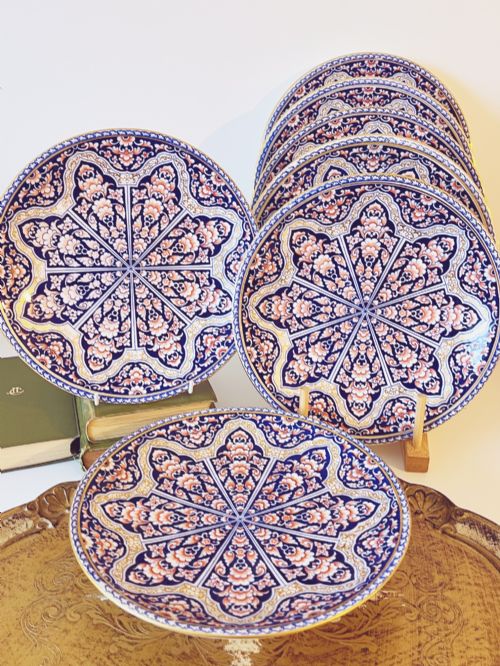
Cabinet plates and decorative dishes look best secured in dedicated wall hangers or supported upright within glazed display cabinets. Proper vertical mounting protects the rims and painted surfaces from accidental knocks.
Keeping pieces away from direct sunlight prevents the enamel pigments from fading over prolonged periods.