


Edwardian Royal Crown Derby
These edwardian royal crown derby pieces bring rich imari palettes and intricate hand painting to cabinets, tables and tea trays.
Edwardian Royal Crown Derby
When you search for edwardian royal crown derby, you encounter porcelain vessels and tableware produced during the early twentieth century by this historic works.
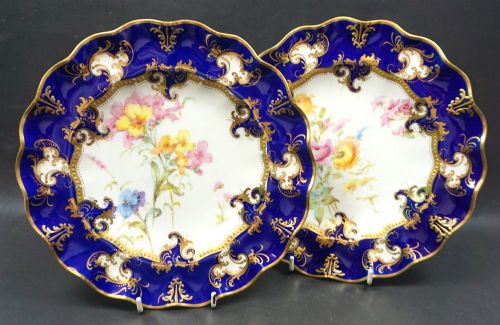
The objects span cabinet plates, vases, miniature vessels, sugar bowls, biscuit barrels and complete tea services.
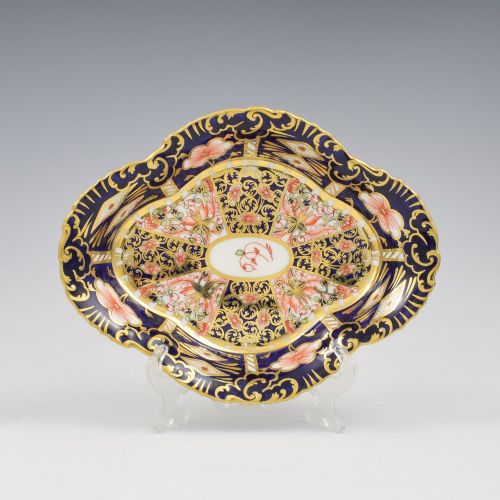
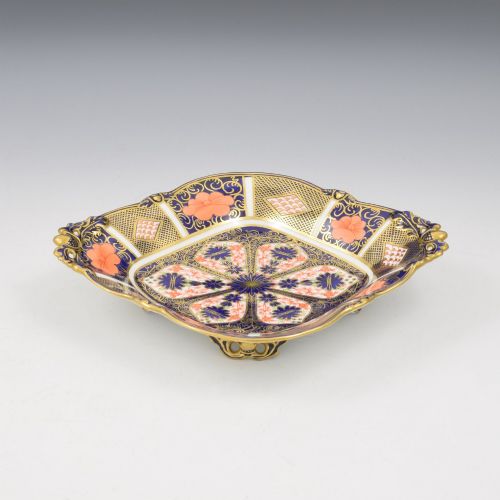
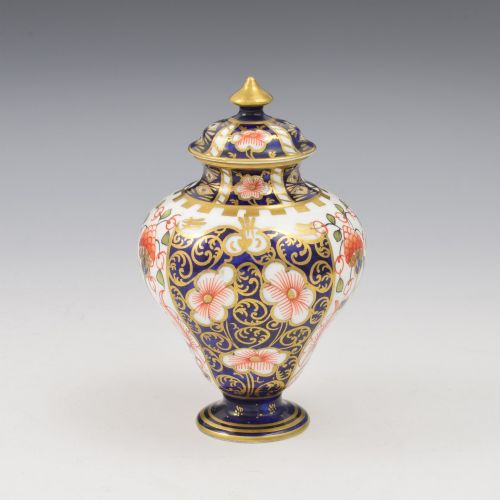
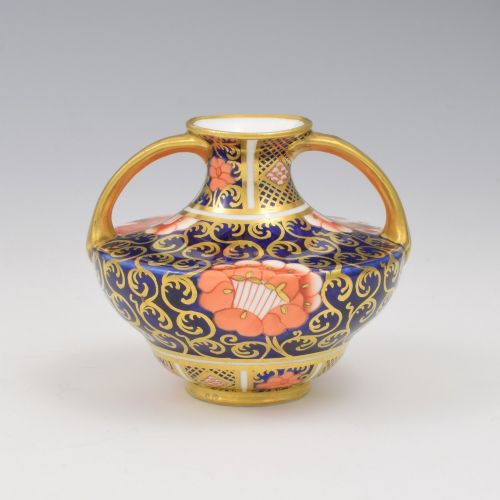
Imari patterns dominate the selection, frequently appearing alongside pierced serving trays, fan shaped dishes and covered urns.
Materials and Manufacture
Potters shaped fine bone china and porcelain into delicate forms before applying rich enamel colours and gold leaf highlights.
Painters executed intricate patterns by hand, utilising traditional iron red and deep cobalt blue alongside heavy gilding.
Individual artisans signed select pieces, while workshops incorporated detailed piercing and gilt edging into standard tableware.
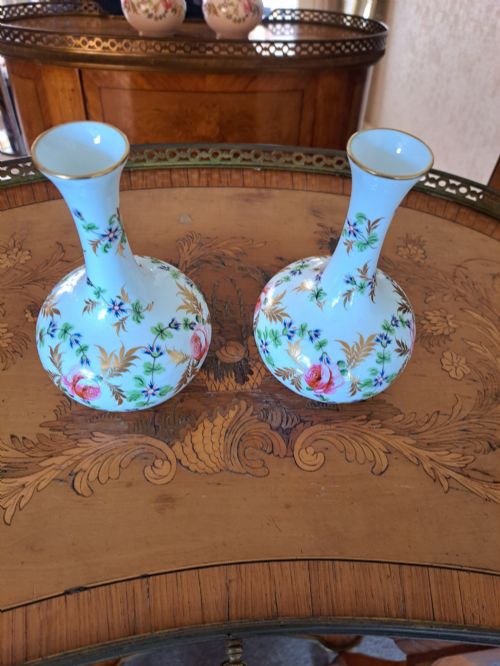
Miniature vases and tiny tea sets remind us that Edwardian households held a profound fascination for remarkably small porcelain novelties.
Judging Quality
Superior items display precise hand painted enamel brushwork and dense, well preserved gold gilding across the pattern.
Pieces bearing artist signatures or complex miniature forms command greater attention than standard production tableware.
The crispness of the underglaze transfer combined with hand applied finishing dictates the overall standard of each vessel.
Albert Gregory·John Ford·Darlington·F Garnett
The Edwardian Royal Crown Derby Glossary
- Imari
- A decorative style utilising rich cobalt blue, iron red and gold gilding inspired by Japanese export wares. This aesthetic defines the majority of these porcelain items.
- Bone china
- A type of soft paste porcelain containing bone ash that produces a durable, translucent body. It forms the base material for many nineteenth and twentieth century tablewares.
- Gilding
- The application of gold leaf or gold paint to ceramic surfaces for decorative emphasis. It highlights rims, handles and internal pattern borders.
- Enamel
- Opaque glass used to add colour over the glaze before firing. Painters layer these pigments to create the vibrant reds and blues characteristic of the pottery.
- Biscuit barrel
- A ceramic container fitted with a metal lid and handle designed to store dry biscuits. Examples from this maker often feature rich imari patterns.
Edwardian Royal Crown Derby: Frequently Asked Questions
How do I date these pieces?
Examination of the printed backstamps beneath each ceramic piece provides the primary clue for determining manufacture dates. Comparing pattern numbers against factory records also helps establish the era.
Stylistic cues, such as the specific application of imari colours and the weight of the porcelain body, further assist in identifying the production period.
Were these items used daily?
Many teacups, saucers and service plates saw active use in formal Edwardian households for afternoon tea and dinner parties. Miniature vases and decorative urns remained strictly ornamental.
Tableware sets designed for dining often show light signs of handling, whereas cabinet pieces typically retain pristine surfaces.
How should I display them?
Enclosed wooden cabinets protect delicate bone china and gold gilding from dust and accidental knocks. Placing imari patterns near natural light enhances the rich iron red and cobalt blue enamels.
Miniature vases and fan shaped dishes look best grouped together on small display shelves or dedicated side tables.
What is imari porcelain?
Imari porcelain refers to wares decorated in a distinctive palette of underglaze blue, iron red and rich gold leaf. English potteries adopted this Japanese inspired aesthetic during the eighteenth century.
Edwardian iterations combine these traditional colours with intricate geometric borders and floral motifs across plates, urns and tea sets.