




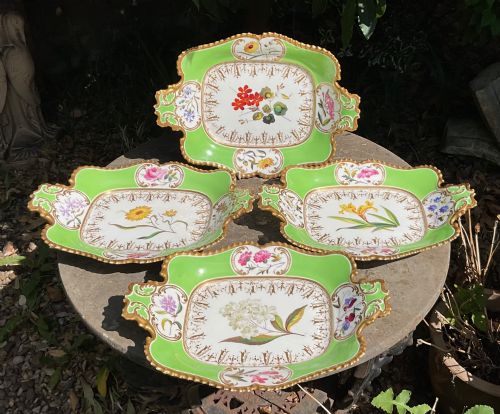
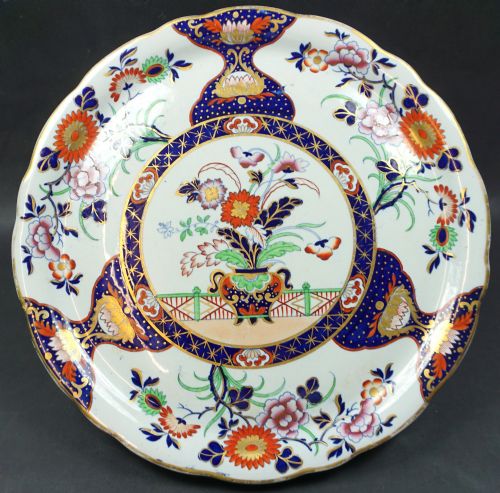
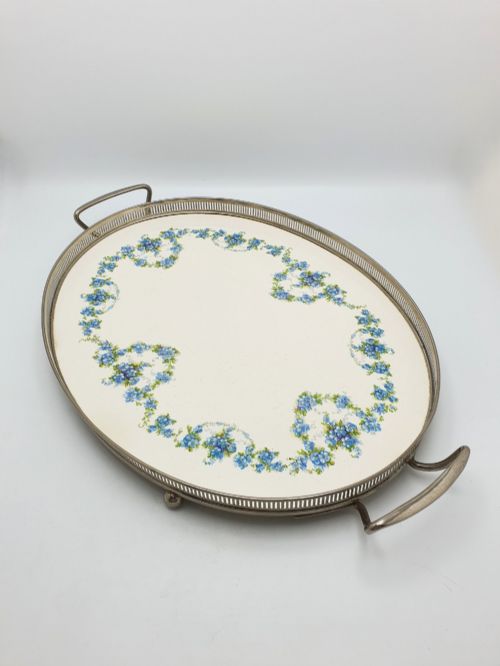
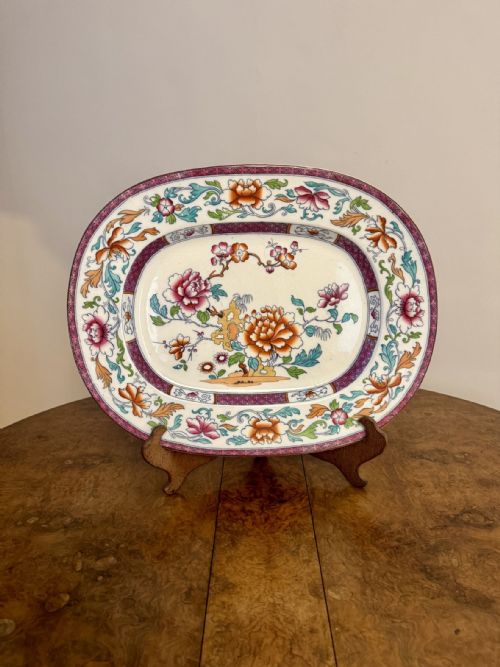
Antique Floral Ceramic Platter
These antique floral ceramic platters bring hand-painted botanicals and centuries of kilncraft straight to your table.

Antique Floral Ceramic Platter
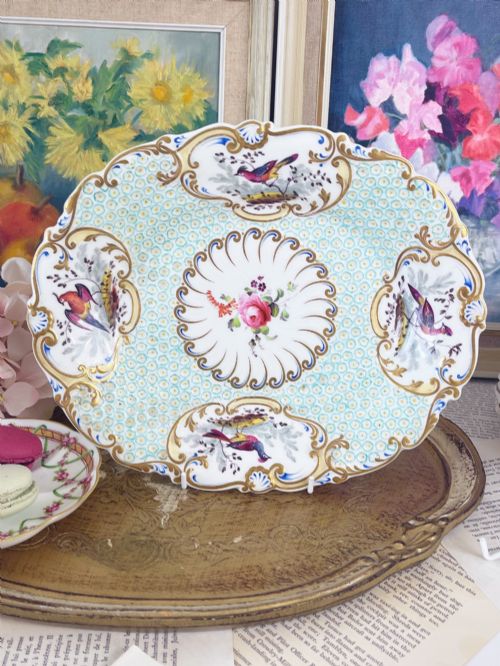
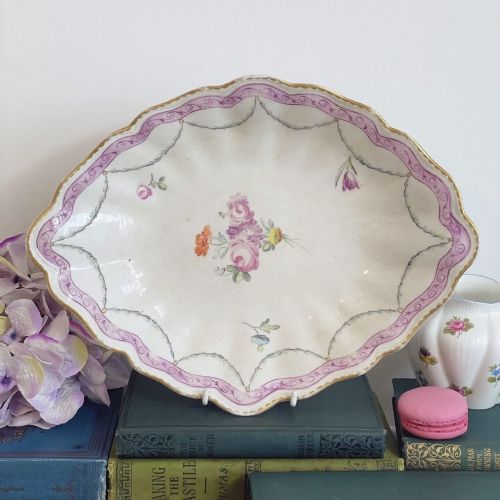
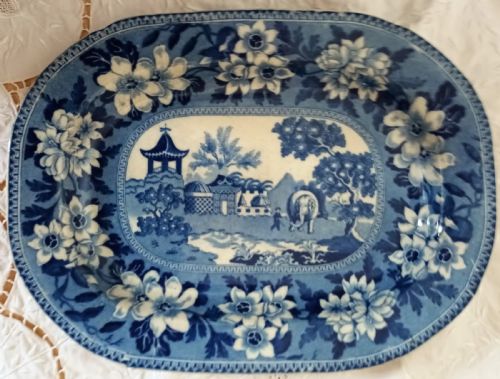
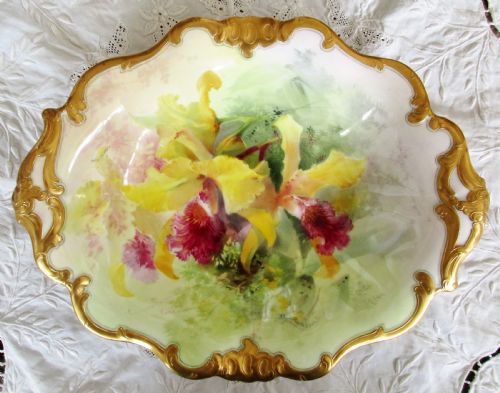
When you search for an antique floral ceramic platter, you are looking at large serving vessels, chargers and display dishes shaped from earthenware, ironstone, creamware or porcelain. These pieces range from eighteenth-century English factories to Japanese Meiji period kilns, carrying hand-painted birds, peonies, wisteria and polychrome flowers.
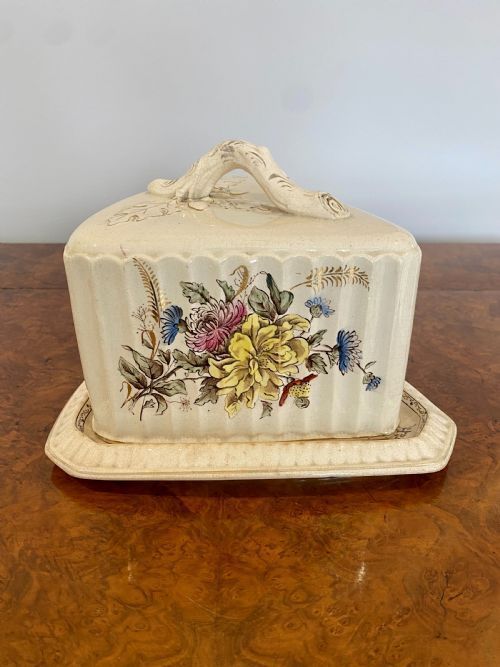
The versions you are most likely to meet on this page span the Georgian, Victorian and early twentieth-century periods, alongside continental European and Asian imports. They take oval, rectangular, lobed and scalloped forms designed originally for meat, cheese or game, or simply to decorate a cabinet.
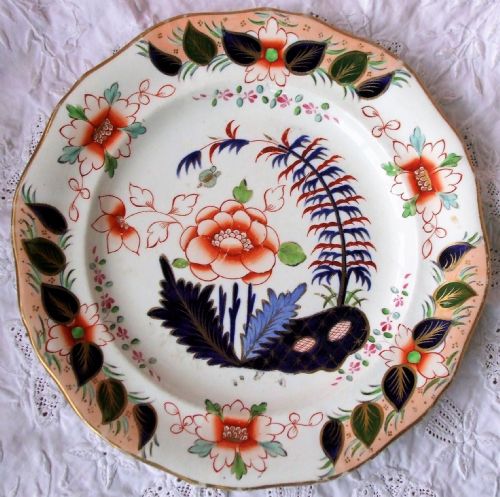
Makers recorded in these listings include English potteries like Derby, Minton, Wedgwood, and H & R Daniel, sitting alongside Japanese Imari and Satsuma wares. Each piece reflects the dominant decorative tastes of its decade, from transfer-printed blue and white patterns to richly gilded Japanese export designs.
How they were made
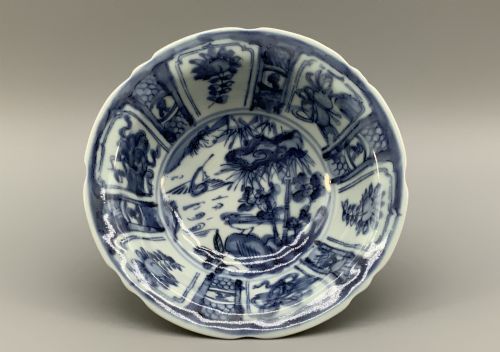
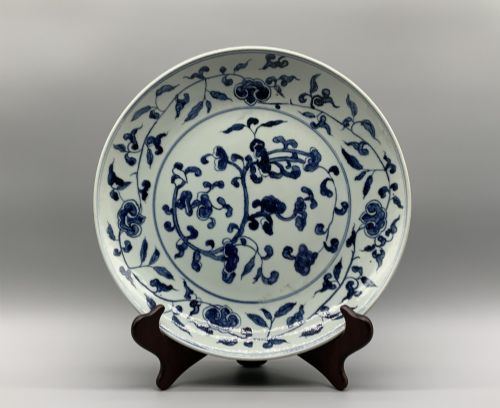
Potters shaped these dishes from refined ceramic bodies, earthenware, creamware and hard-paste porcelain, firing them in kilns before applying glazes. Many incorporate cobalt blue underglaze, transfer printing, or hand-painted polychrome enamels executed with fine brushes.
Finishing touches often involved gilding, gold leaf applied to rims and borders, and moriage relief work on Japanese Satsuma pieces. Makers such as Davenport and Worcester utilised these techniques to elevate utilitarian serving dishes into decorative cabinet pieces.
Geographic origins represented include English factories, French porcelain houses, continental trays and Japanese export kilns.
What varies in quality
Quality in these platters rests upon the precision of the hand-painting, the crispness of the transfer print, and the fineness of the ceramic body. Pieces decorated by named artists or major factories display superior brushwork, particularly in complex floral motifs, birds and figures.
The preservation of the glaze and gilding dictates the standing of a piece, as does the complexity of the moulding, such as scalloped edges, lobed bowls, or heavy relief work. Superior examples maintain their original polychrome brilliance without rubbing to the gold leaf or enamel.
H & R Daniel·Derby·Hicks & Meigh·John Rogers & Son·David Dewsberry·John Davenport of Longport·Joseph-Gaspard Robert·Wedgwood·Booths·Pucher Deroche·Minton·Carlton Ware
The Antique Floral Ceramic Platter Glossary
- Charger
- A large decorative plate or platter, often displayed on a wall or sideboard rather than used for dining.
- Imari
- A style of Japanese porcelain featuring a distinct palette of underglaze blue, iron red, and gold, widely exported to the West.
- Creamware
- A refined earthenware developed in eighteenth-century England, noted for its pale yellowish-cream glaze and light body.
- Moriage
- A Japanese ceramic technique where clay is piped onto the surface to create raised decorative patterns before glazing and firing.
- Transfer printing
- A mechanical method of applying complex designs to pottery by transferring ink from an engraved copper plate onto tissue paper and thence onto the ceramic body.
Antique Floral Ceramic Platter: Frequently Asked Questions
How were these platters used?
These platters served multiple functions in historic households, operating as meat platters, game plates, cheese dishes and large serving trays for dining rooms. Many larger chargers were also produced purely for display on sideboards or walls.
Over time, utility shifted towards decoration as tastes changed, leading to the survival of many decorative dishes and cabinet plates in pristine condition.
Can I use an antique platter for food?
Most of these ceramic pieces are durable enough to hold dry foods, fruit or cheese, provided they are handled with care. Historic glazes and ironstone bodies tolerate gentle washing, though modern dishwashers should be avoided.
Fine porcelain and heavily gilded cabinet pieces are better reserved for display or light service to protect the enamel and gold leaf from wear.
How do I tell Japanese Imari from English Imari?
Japanese Imari pieces, particularly from the Meiji period, typically feature dense hand-painted iron red, cobalt blue and gilt floral designs on a thick porcelain body. The clay and glaze textures differ visibly from European imitations.
English factories like Davenport and Worcester produced their own interpretations of the Imari palette on earthenware and porcelain bodies, often marked with factory stamps or painted pattern numbers.
What does Meiji period mean?
The Meiji period refers to the era of Japanese history lasting from eighteen sixty-eight to nineteen twelve, a time of opening trade with the West. Porcelain and Satsuma earthenware exported during this era frequently combined traditional motifs with elaborate gilding.
Pieces from this time often display meticulous attention to detail, featuring peonies, wisteria, birds and intricate border patterns.