


Antique Staffordshire Platter
An antique staffordshire platter brings heavy blue and white transfer printing and rich earthenware character directly to the dining table or wall.
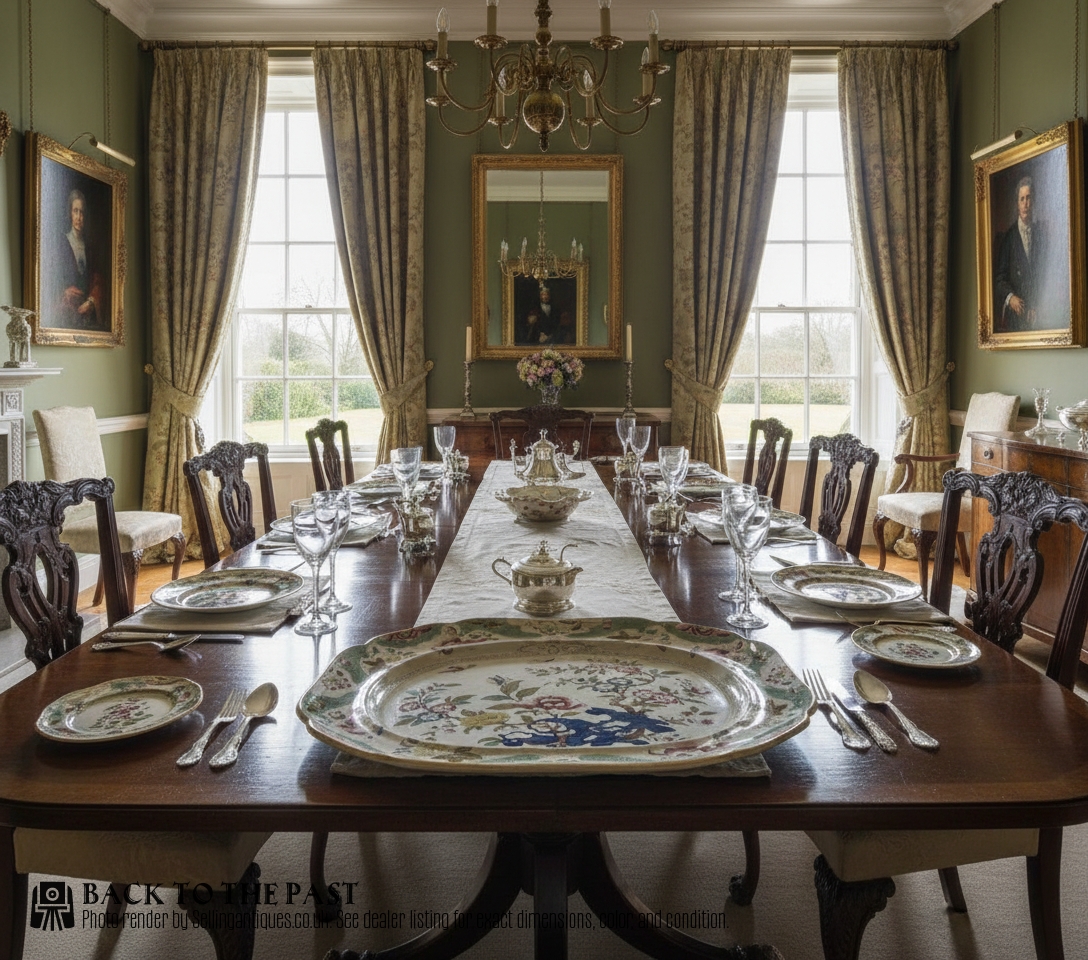
Antique Staffordshire Platter
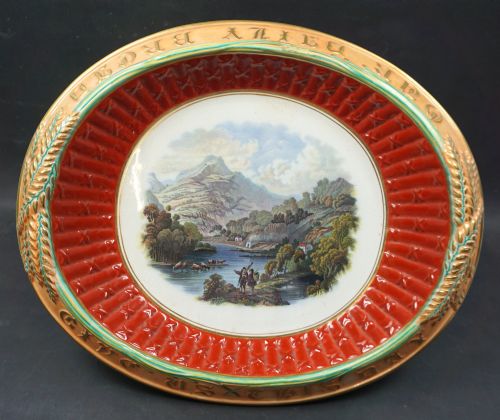
When searching for an antique staffordshire platter, a buyer encounters large serving dishes, meat plates, and chargers produced across the eighteenth and nineteenth centuries.
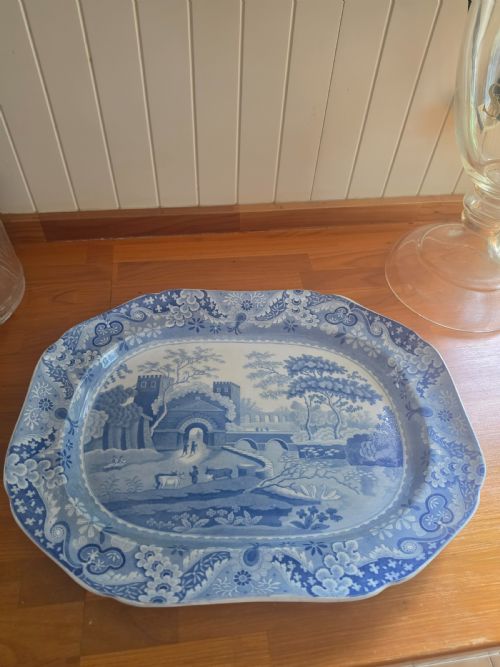
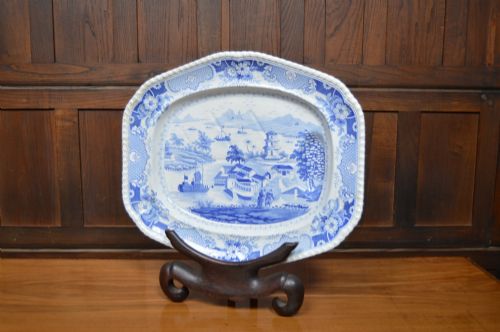
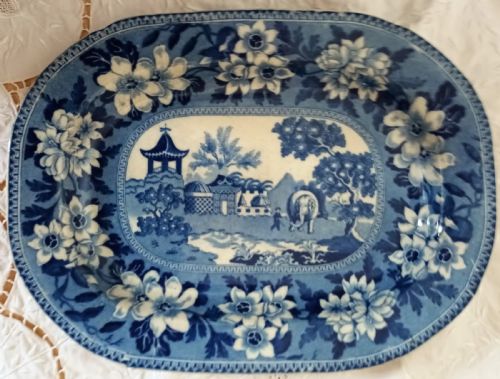
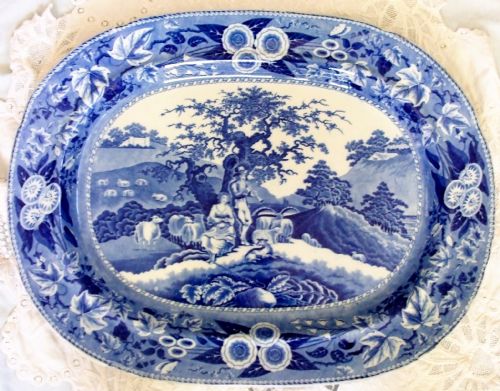
The version most commonly met on this page is the blue and white transfer-printed earthenware platter, originating from Georgian and Victorian periods in English pottery centres.
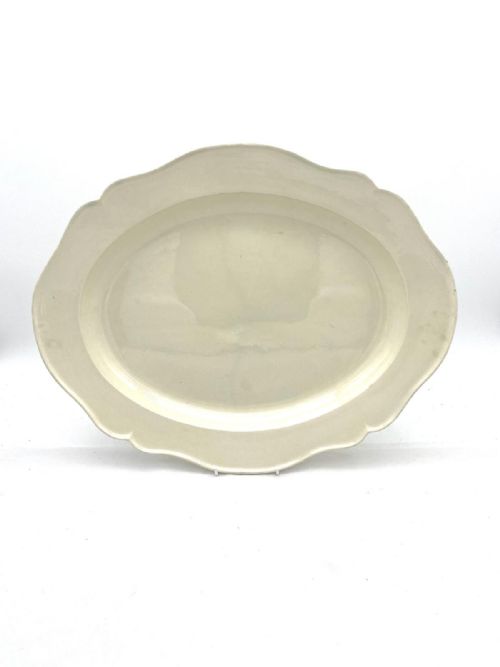
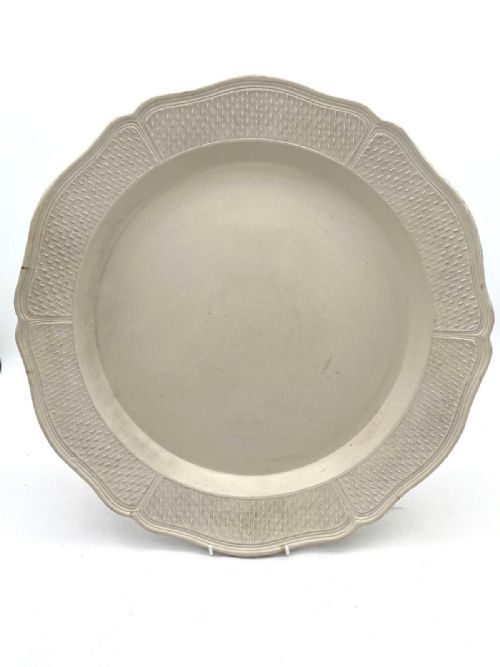
These pieces range from massive ironstone dishes with fitted drainers to delicate pearlware and creamware chargers depicting topographical views, exotic landscapes, and pastoral scenes.
How They Were Made
Potters shaped earthenware, creamware, pearlware, and ironstone on wheels or in moulds before applying lead glaze or ceramic glaze to seal the porous body.
Makers decorated surfaces using transfer printing from copper plates, producing deep blue designs such as Chinoiserie ruins, shipping series, and scenic views.
Listings feature earthenware, pearlware, and ironstone across Georgian, Victorian, and nineteenth-century periods.
What Varies in Quality
The clarity and crispness of the transfer print separate finer platters from blurred or smudged examples produced during hurried runs.
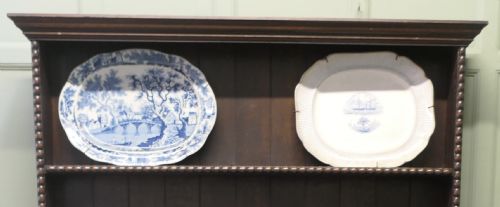
Weight, thickness, and the complexity of moulded details like silver-shaped rims or integrated gravy wells distinguish standard domestic items from substantial presentation pieces.
Spode·John Rogers And Son·John Ridgway·Hicks Meigh And Johnson·Stubbs·Brameld And Co·Mason·Davenport·Copeland Spode
The Antique Staffordshire Platter Glossary
- Transferware
- Pottery decorated by applying a printed design from an engraved copper plate onto the ceramic surface using tissue paper. This technique allowed intricate pictorial scenes to be replicated consistently.
- Pearlware
- A refined earthenware developed by Josiah Wedgwood that featured a bluish-white glaze pooling slightly in crevices. It bridged the gap between creamware and later brilliant white ironstone.
- Ironstone
- A dense, durable type of ceramic patented in the nineteenth century to imitate Chinese porcelain. It resisted chipping and formed the heavy base for large serving platters.
- Meat Drainer
- A pierced ceramic insert fitted into a platter to keep roast meat elevated above accumulated juices. These removable plates often feature matching transfer-printed patterns.
Antique Staffordshire Platter: Frequently Asked Questions
What were antique staffordshire platters used for?
These large dishes served roasted meats, fish, and communal courses at the nineteenth-century dining table. Platters often included integrated wells or separate drainers to manage carving juices.
Today, collectors utilise them as striking wall displays, sideboard centerpieces, or functional servingware for large gatherings.
How do I identify a Georgian platter?
Georgian platters typically display creamware or pearlware bodies with deep blue transfer prints depicting romantic landscapes, classical ruins, or exotic animals. The paste is often softer and warmer in tone than later Victorian ironstone.
Potters during this era frequently employed impressed marks or distinct regional patterns rather than printed factory stamps.
What is flow blue pottery?
Flow blue refers to a transfer-printed earthenware style where the cobalt blue pigment deliberately blurred into the surrounding white glaze during firing. This chemical reaction created a soft, misty aesthetic resembling Chinese porcelain.
The technique gained immense popularity during the Victorian period, resulting in rich, atmospheric patterns on plates and serving dishes.
Can I use these platters for serving food?
Most antique earthenware and ironstone platters remain structurally sound for serving dry foods, bread, or cold items. Hand washing is essential to protect the historic glaze and prevent crazing from worsening.
Acids from certain foods may discolour old glazes over extended periods, so modern users often reserve them for display or gentle domestic service.