


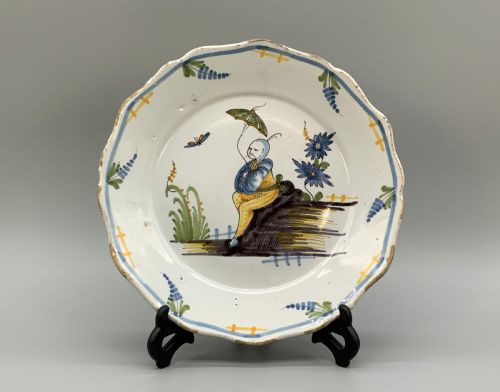
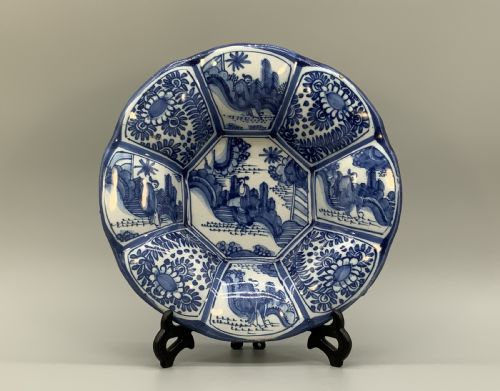
Antique Earthenware Platter
An antique earthenware platter brings solid weight and hand-painted blue transfer motifs to a table, offering generous proportions for display or serving.
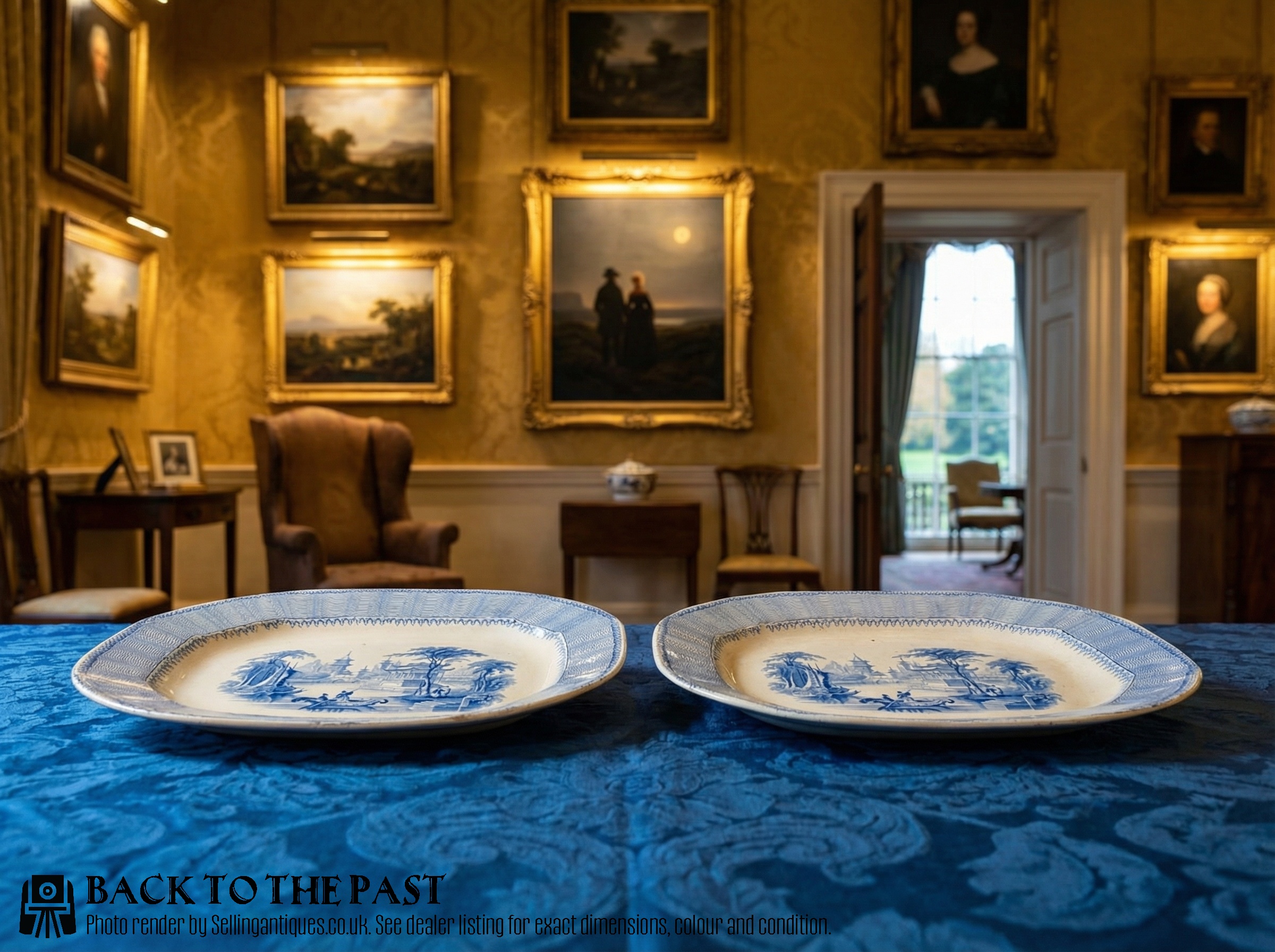
Antique Earthenware Platter
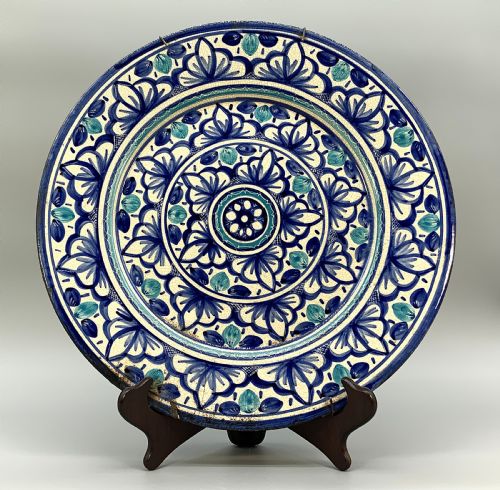
When you search for an antique earthenware platter, you encounter large serving dishes, decorative chargers, and meat plates spanning the eighteenth, nineteenth, and early twentieth centuries. These pieces originate from English potteries, French faience workshops, and Dutch kilns, taking forms designed for both festive dining and wall display.
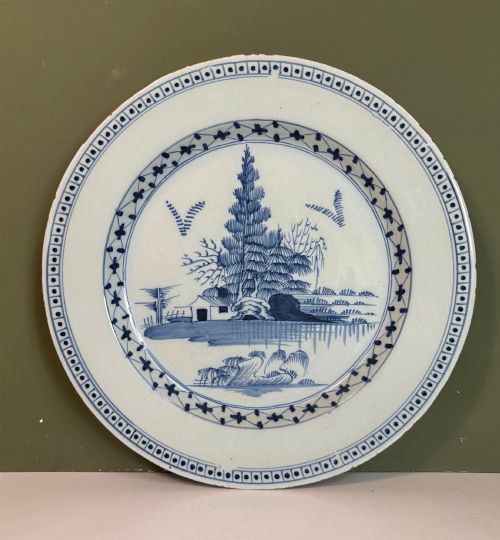
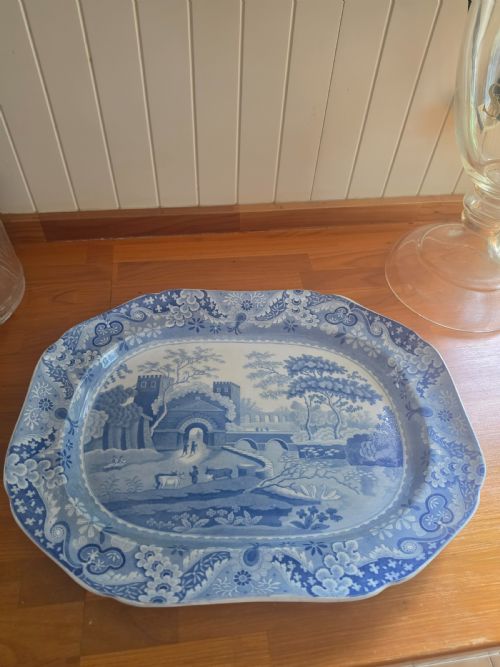
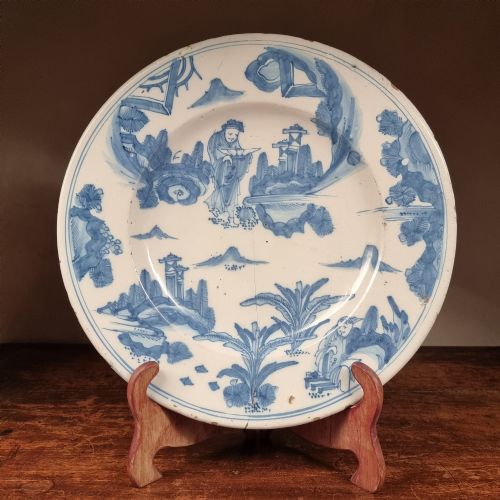
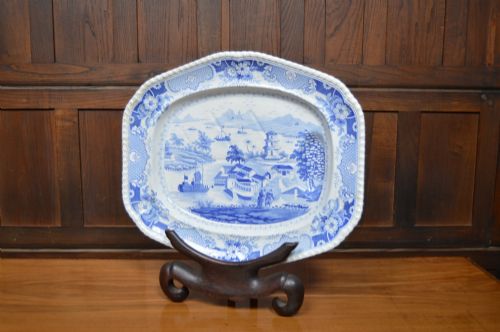
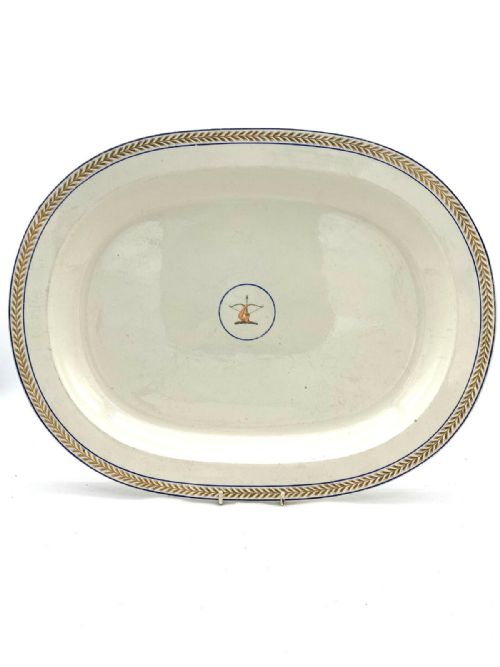
The most common examples on this page are nineteenth-century blue and white transfer-printed meat platters and eighteenth-century tin-glazed chargers. Potters shaped these items from porous clay bodies, covering them with opaque tin glazes or clear lead glazes to create smooth surfaces for intricate pigments.
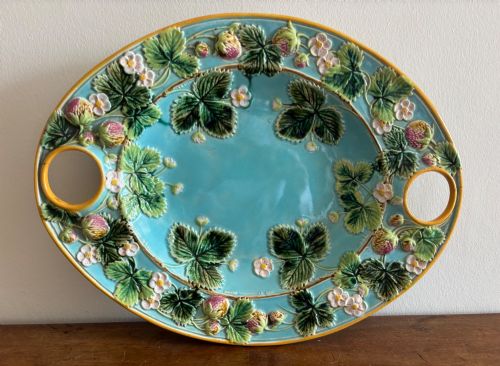
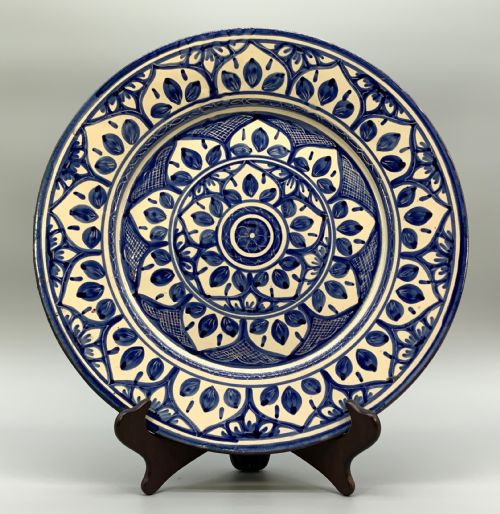
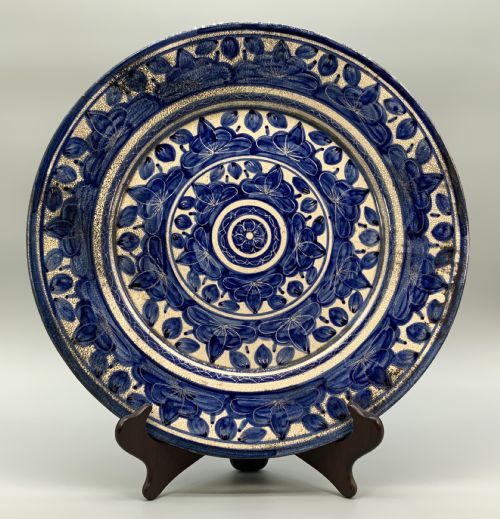
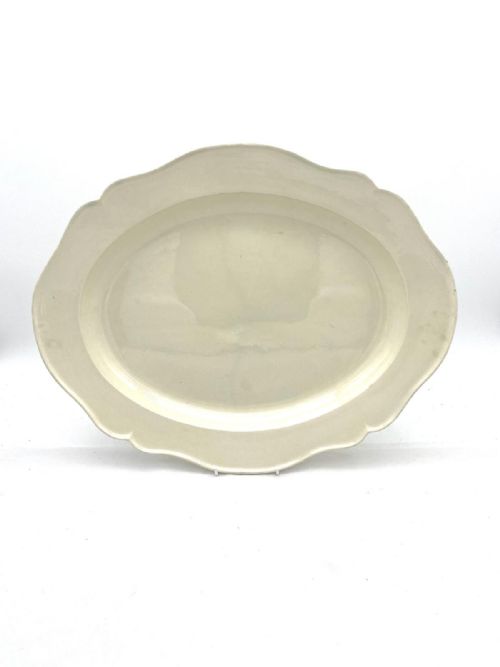
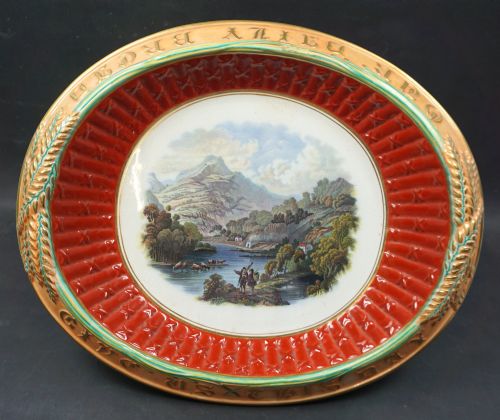
Forms range from large, oval serving dishes meant for joints of meat to broad, circular chargers intended to command attention on a sideboard. Potters also produced specialised wares like creamware armorial dishes and majolica plates, broadening the scope of domestic service.
How they were made
Potters constructed these platters using earthenware clay bodies, which remained porous until sealed with glazes containing tin, lead, or enamel. Workers applied cobalt pigment, manganese, and yellow enamels directly onto the raw glaze or biscuit body before firing.
Transfer printing revolutionized production during the Georgian and Victorian eras, allowing copperplate engravings to transfer complex scenes onto creamware and pearlware surfaces. Earlier pieces relied entirely on the steady hand of painters applying blue and white or polychrome designs.
Materials recorded across the inventory include tin-glazed earthenware, creamware, pearlware, ceramic, and cobalt pigment.
What varies in quality
Quality rests in the crispness of the transfer print or the fluency of the hand-painted brushwork, alongside the stability of the glaze. Earlier tin-glazed pieces show deliberate pooling and softness in the white surface, while later transfer wares demand sharp, legible details in complex pastoral or architectural scenes.
The ambition of the form itself dictates the upper tier of the range, separating standard domestic meat plates from heavily potted chargers and moulded majolica presentation pieces. Potteries demonstrated mastery through balanced proportions, deep wells, and clean edges that survived repeated kiln firings.
Van Genden·Spode·Davenport·George Jones·John Rogers and Son·Copeland·Minton·Booths·Wedgwood
The Antique Earthenware Platter Glossary
- Creamware
- A refined light-coloured earthenware developed in the eighteenth century by English potters, known for its warm buttery tone and clear lead glaze.
- Transferware
- Pottery decorated by applying a paper impression taken from an engraved copper plate, transferring ink onto the ceramic surface before glazing.
- Charger
- A large decorative plate or shallow dish, traditionally used for display on sideboards or as a base for multiple smaller courses.
- Tin-Glazed Earthenware
- Pottery coated with an opaque white glaze containing tin oxide, providing a bright ground for painted pigments in the manner of Delftware or faience.
Antique Earthenware Platter: Frequently Asked Questions
What is an antique earthenware platter?
An antique earthenware platter is a ceramic serving dish or decorative charger produced from porous clay during the eighteenth, nineteenth, or early twentieth centuries. These vessels served functional roles at large dining tables or functioned as display pieces in domestic interiors.
Potters shaped these items by hand or mould, applying tin glazes, transparent lead glazes, or transfer-printed pigments. Their substantial weight and absorbent bodies distinguish them from later bone china or porcelain wares.
How were these platters used?
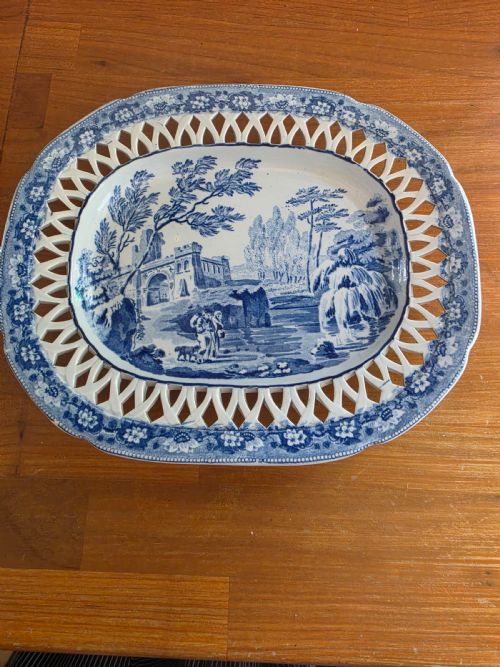
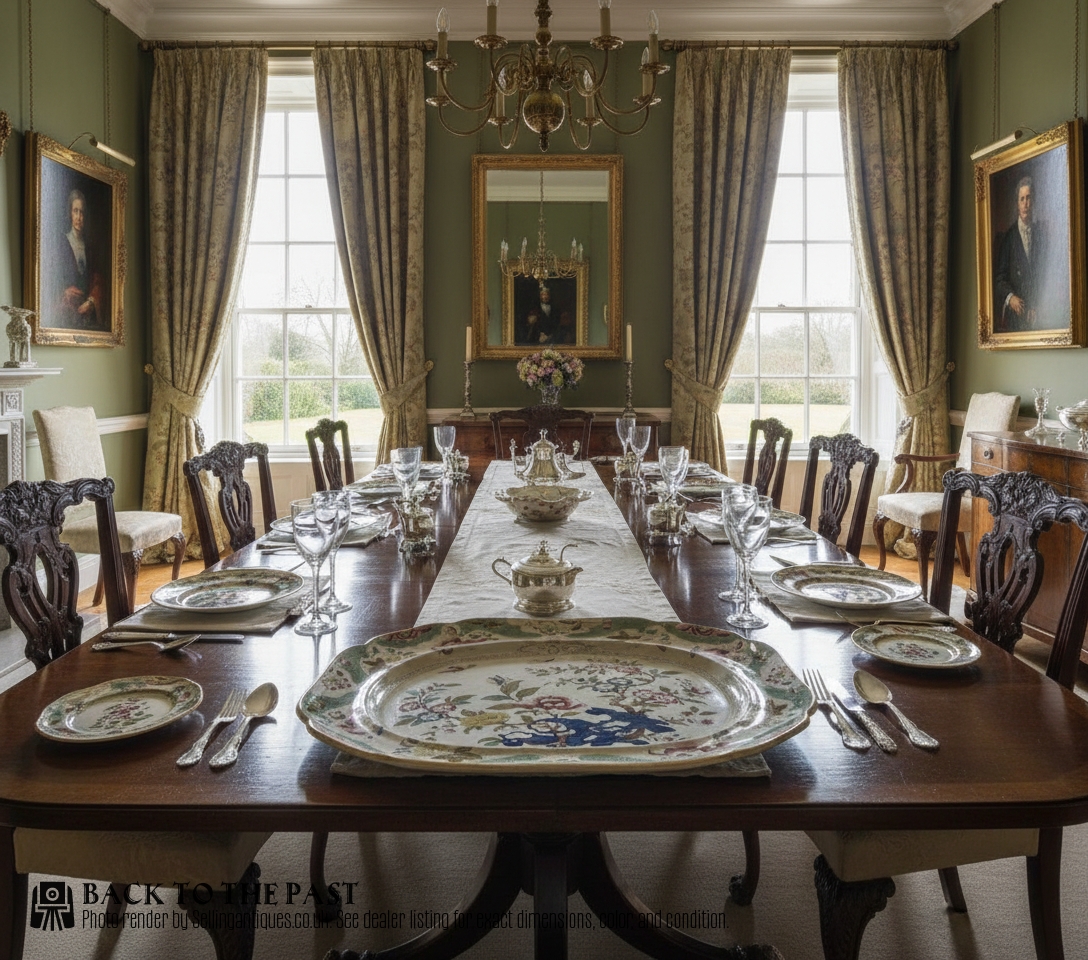
Households utilised these large dishes for presenting joints of meat, fowl, and communal courses during formal dinners and family meals. Their deep wells collected juices, while broad rims often featured pierced designs or moulded patterns.
Beyond the dining table, many large circular examples served decorative purposes. Owners mounted them on walls or displayed them upright on sideboards to showcase painted Dutch, English, or Continental scenes.
How do I care for an antique platter?
Living with these ceramic pieces requires gentle handling, as earthenware is softer and more porous than modern stoneware. Wash them by hand in warm water using mild soap, avoiding harsh scrubbing or dishwashers that can craze old glazes.
Display them securely on stable plate stands or secure wall brackets designed for heavy chargers. Keep them away from extreme temperature shifts and direct sunlight to protect delicate hand-painted enamels.
How do I tell periods apart?
Dating relies on observing the clay body, glaze characteristics, and decorative techniques used across different eras. Eighteenth-century examples often feature tin glazes with hand-painted blue and white or polychrome motifs, showing soft edges and minor glaze pooling.
Nineteenth-century pieces frequently display transfer-printed designs in sharp cobalt blue on creamware or pearlware bodies. Maker marks stamped or impressed into the reverse side provide further chronological anchors.