


Victorian Blue White Dish
These nineteenth-century ceramics bring deep cobalt scenes to the table, offering utility and traditional display in equal measure for the collector.
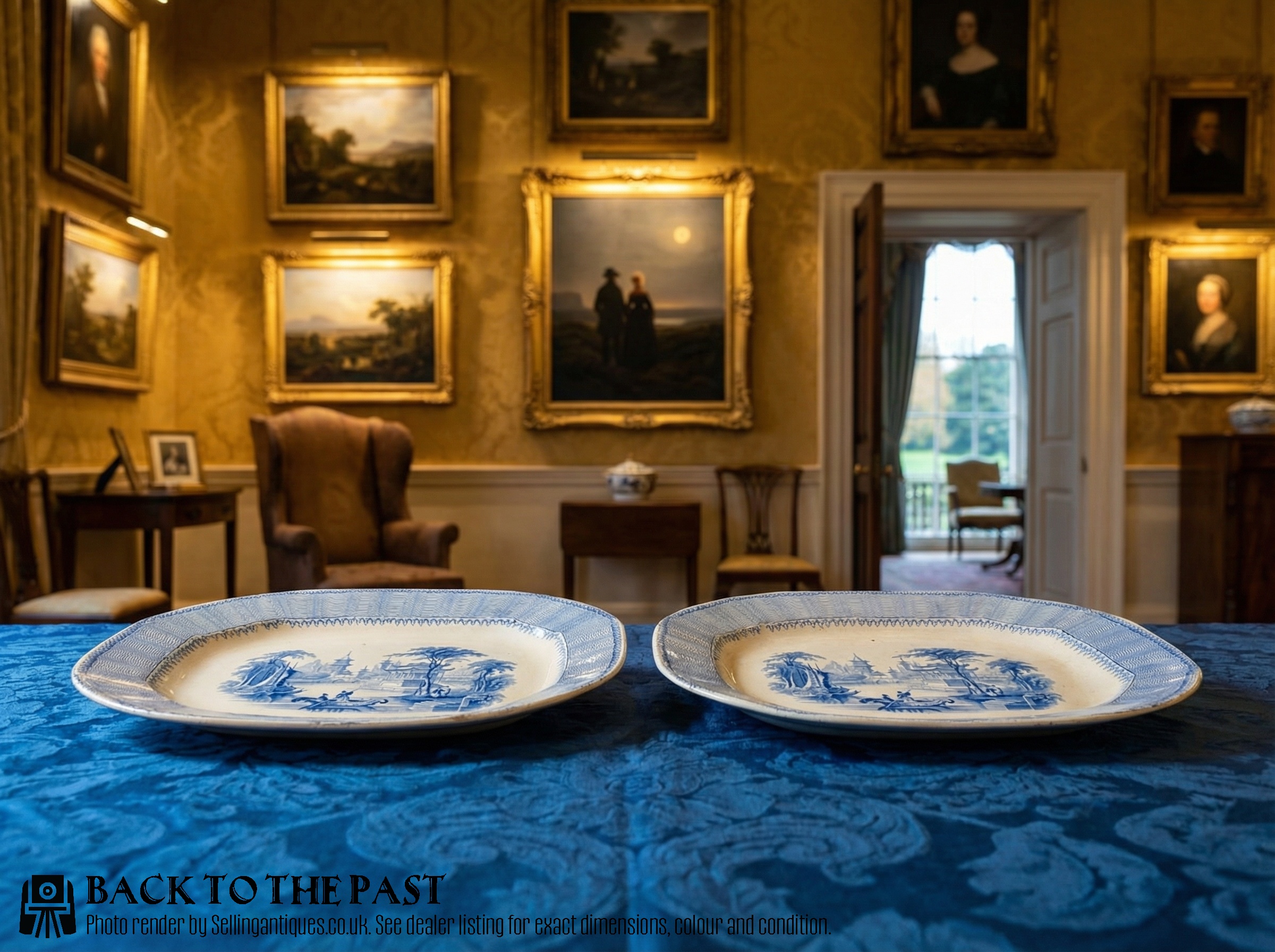
Victorian Blue White Dish
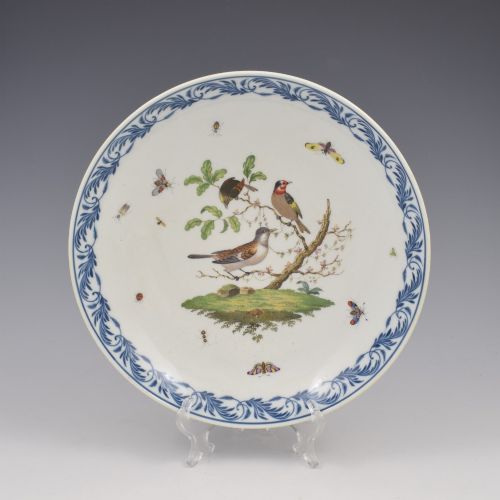
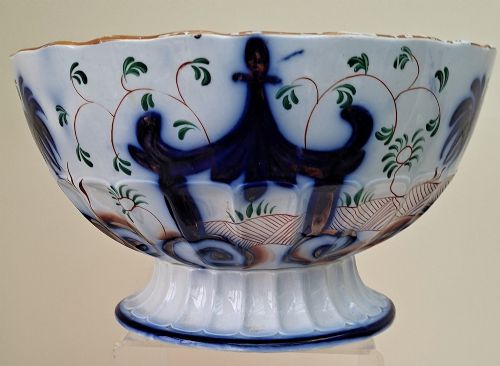
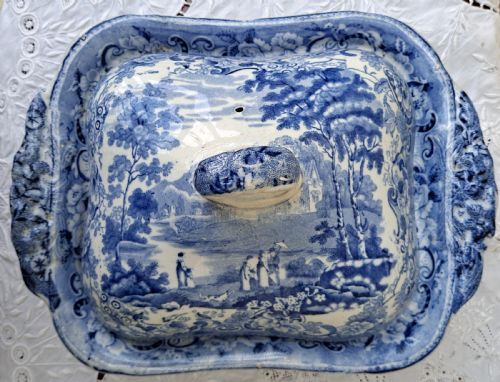
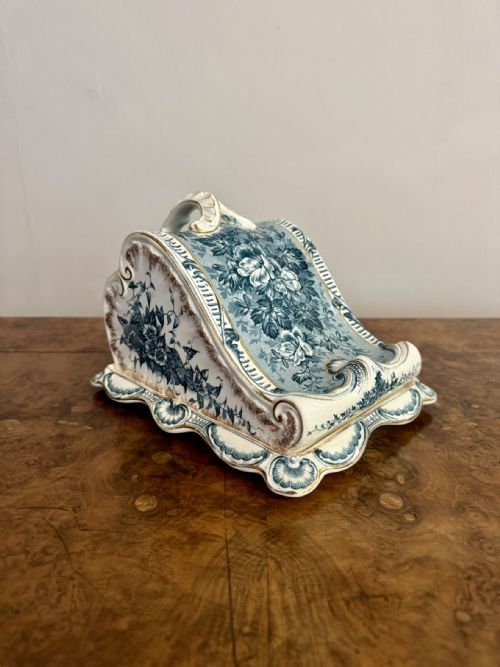
A victorian blue white dish encompasses large meat platters, vegetable tureens with covers, cheese dishes, and decorative plates originating across the nineteenth century.
The selections frequently highlight transfer-printed patterns depicting rural scenery, classical architecture, and oriental motifs on earthenware or ironstone bodies.
Most examples date from the Victorian era, spanning specific decades from the eighteen-fifties through to the end of the century.
Materials and technique
Potters utilised earthenware, stoneware, and ironstone as the primary ceramic bodies, shaping them into plates, platters, and footed bowls.
Decoration relied on transfer printing, a method that applied detailed cobalt blue designs from copper plates onto the ceramic surface before glazing.
A glossy transparent glaze sealed the pigment during firing, giving the pieces their hard-wearing surface and characteristic shine.
Listings feature earthenware, ironstone, and porcelain across periods from eighteen hundred to nineteen hundred.
Judging the pieces
Quality rests upon the crispness of the transfer print, where superior examples maintain sharp lines and distinct details without blurring or smudging.
The weight, ringing tone, and density of the ceramic body distinguish heavy ironstone and fine porcelain from standard earthenware.
Completeness alters desirability, particularly when lids, matching ladles, drainers, or under-trays remain with the primary serving vessel.
James Wallace And Co·Doulton Burslem·John Ridgway·Copeland And Garrett·Burgess And Leigh·Minton
The Victorian Blue White Dish Glossary
- Transfer print
- A decorative technique where a design is engraved on a copper plate, inked, transferred to tissue paper, and then impressed onto unglazed pottery.
- Ironstone
- A heavy, durable type of feldspathic earthenware patented in the nineteenth century to imitate porcelain.
- Tureen
- A deep covered bowl used for serving soups, sauces, or vegetables at the dining table.
- Well and tree
- A serving platter featuring channels and a small well designed to collect meat juices during carving.
Victorian Blue White Dish: Frequently Asked Questions
How do I date a transfer printed dish?
Dating relies on impressed registry marks, factory backstamps, and the specific style of the cobalt blue border patterns.
Changes in ceramic bodies from early earthenware to heavier ironstone also help place pieces within the nineteenth century.
Were these dishes used for daily dining?
Large platters, meat plates, and covered tureens served functional roles on nineteenth-century dining tables for family meals and formal dinners.
Their robust ironstone and earthenware construction allowed them to withstand regular use in bustling Victorian kitchens.
What is the difference between ironstone and porcelain?
Ironstone is a dense, opaque, and highly durable ceramic developed to withstand heavy dining room service without chipping easily.
Porcelain is a lighter, more delicate ceramic body that often shows translucency when held up to a strong light source.
How should I display a heavy meat platter?
Large platters require sturdy plate stands or wall hooks specifically rated to support the considerable weight of ironstone and earthenware.
Placing them away from direct heat sources protects the historic glaze and prevents any stress on the ceramic body.