





Blue Ceramic Platter
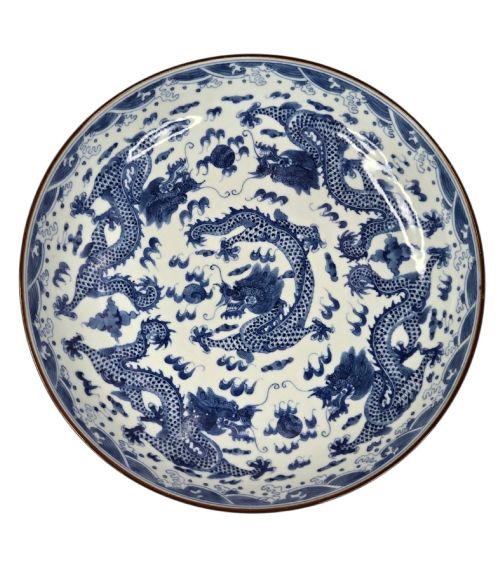
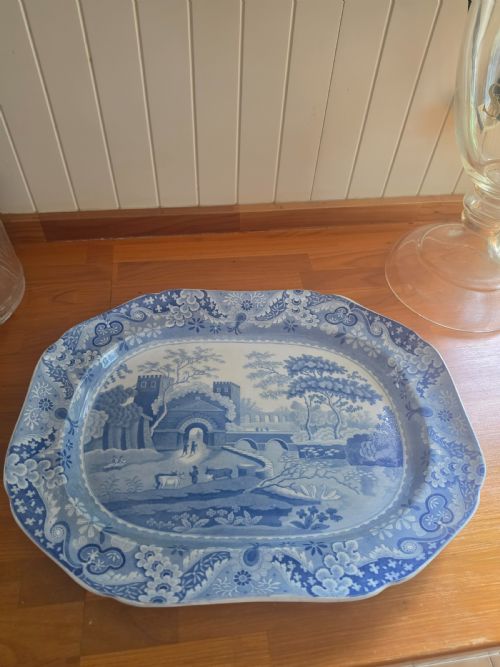
A blue ceramic platter brings traditional blue and white earthenware or porcelain to the table, offering both practical utility and enduring decorative appeal for serving meals.
Understanding Blue Ceramic Platters
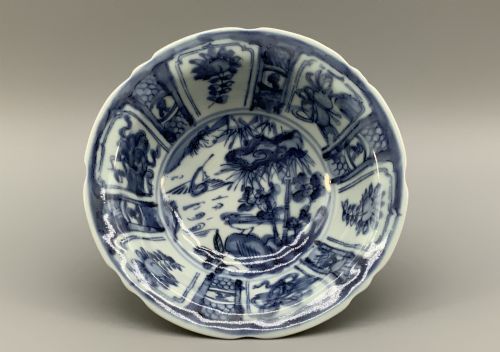
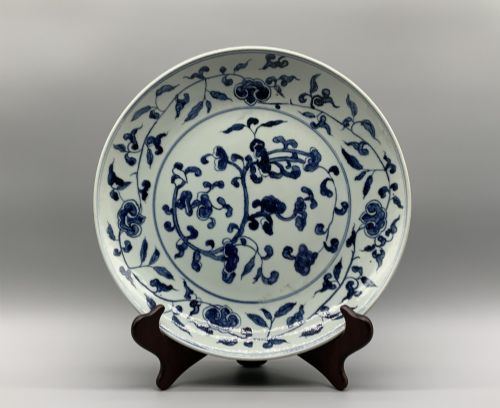
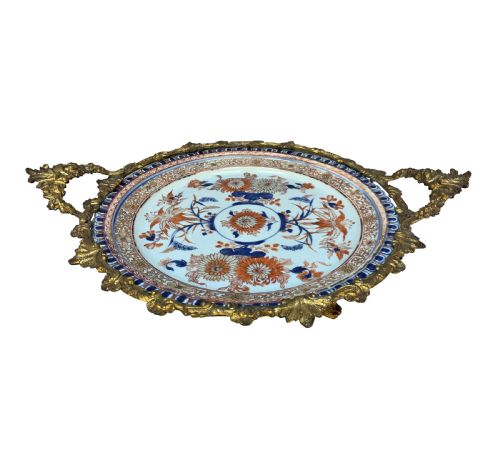
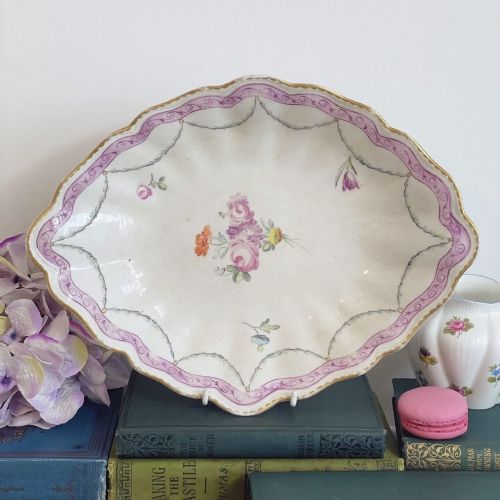
A blue ceramic platter appears in forms such as meat platters, serving dishes, and serving trays. These pieces serve as functional serveware designed for presenting food at the table.
The selections available reflect periods including Regency, Victorian, Georgian, and the year 1880. Styles span English transferware alongside pieces attributed to makers like Davenport and Minton.
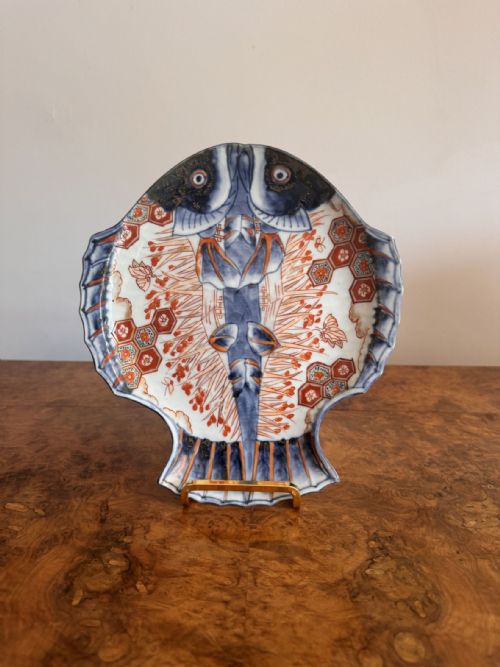
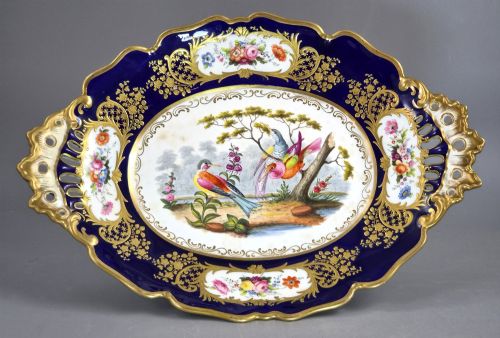
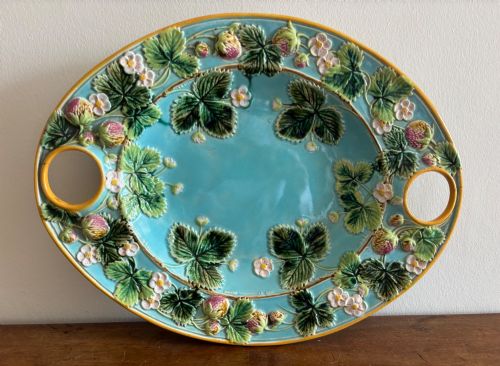
Buyers encounter earthenware, pearlware, and porcelain constructions finished with glaze or cobalt glaze. Some examples incorporate decorative details such as gold leaf.
Materials and Manufacture
Potters utilised ceramic materials including earthenware, pearlware, and porcelain to form the body of each serving dish. These foundational clays were shaped into large meat platters and trays.
Decoration relied on cobalt glaze and transferware techniques to apply blue patterns onto the surface. Certain items received supplementary enrichment through the application of gold leaf.
Retail Price Guide 2026
Typical UK retail prices for blue ceramic platter, calculated from the Sellingantiques database of over a million retail prices indexed since 2003. This retail price guide relies exclusively on Sellingantiques data; no external sources or auction records are used, so the figures do not describe the wider market.
Materials represented across the selection include earthenware, pearlware, porcelain, glaze, cobalt glaze, and gold leaf.
Assessing Quality and Distinction
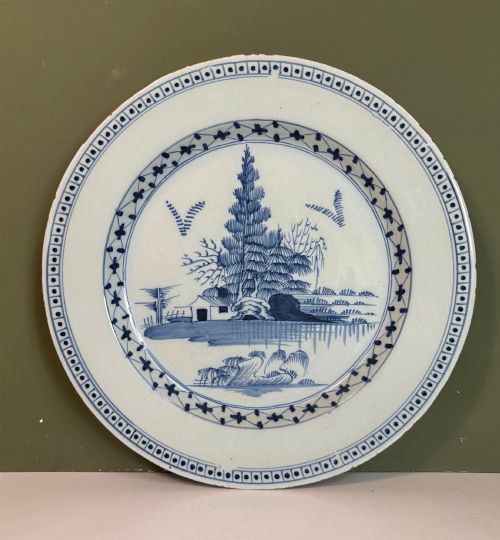
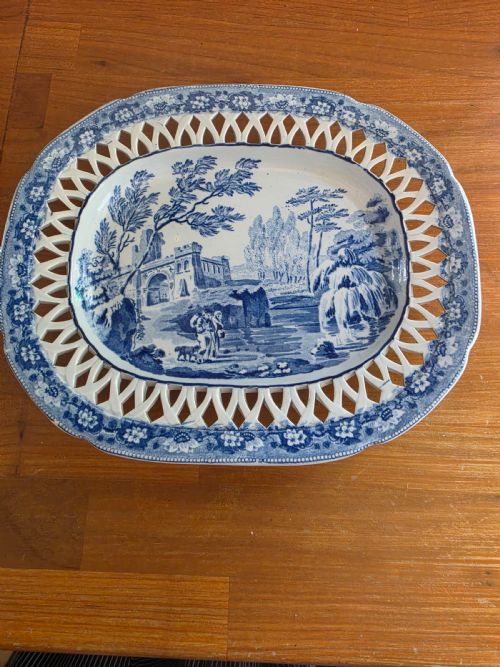
Quality separates through the crispness of the transferware pattern and the evenness of the cobalt glaze across the ceramic surface. Early nineteenth-century examples often demonstrate finer detail in pierced or fretted borders.
The choice of body material, ranging from standard earthenware to refined porcelain, dictates the weight and translucency of the platter. Finer bodies combined with intact gold leaf elevate the visual distinction of the piece.
Davenport·Minton
The Blue Ceramic Platter Glossary
- Pearlware
- An earthenware body developed in the eighteenth century featuring a subtle bluish tint in the glaze. It provided a whiter surface that enhanced blue and white transfer printing.
- Transferware
- Pottery decorated by transferring a design from an engraved copper plate onto tissue paper and then onto the ceramic body. This technique enabled intricate blue patterns to be replicated consistently.
- Cobalt Glaze
- A vitreous coating containing cobalt oxide used to produce deep blue coloration on ceramics. It remains stable at high firing temperatures.
- Fretted
- Ornamented with an openwork or pierced geometric design, frequently seen along the rims of serving platters. This method lightens the silhouette of large ceramic dishes.
- Earthenware
- Porous pottery fired at lower temperatures than stoneware or porcelain. It forms the robust structure behind many traditional meat platters.
Frequently Asked Questions
How were blue ceramic platters used?
These platters served primarily for presenting joints of meat and large courses at the dining table during the Georgian and Victorian eras. Their generous proportions accommodated family-sized portions of food.
Beyond the dining room, many owners displayed them on sideboards or hung them on walls to showcase the blue and white patterns.
How do I care for an antique platter?
Wash antique ceramic serving pieces by hand using warm water and mild soap to protect the glaze and any delicate surface decoration. Avoid soaking them for extended periods, particularly if the earthenware body is exposed at the base.
Keep them away from modern dishwashers and microwaves, as thermal shock and harsh detergents can damage the historic glaze and gold leaf.
What periods do these platters come from?
The available pieces date from the Regency and Georgian periods through the nineteenth century, including specific items from around eighteen eighty. Each era brought distinct stylistic preferences in border designs and transfer patterns.
Earlier pieces often display refined pierced work, while later Victorian examples tend toward robust meat platters suited for substantial dining.
What materials are used in these platters?
Makers constructed these items from ceramic bodies such as earthenware, pearlware, and porcelain. Cobalt glaze provided the characteristic blue coloration found across the transferware designs.
Some decorative serving trays also incorporate accents of gold leaf to highlight specific details of the pattern and form.